Frequently Asked Questions
What is the best Chopta Tungnath tour package from Delhi?
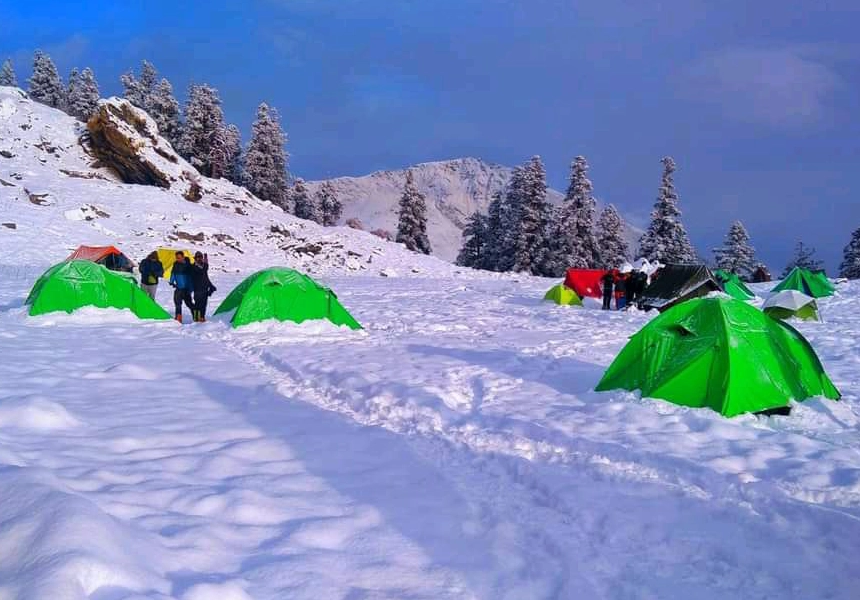
The best Chopta Tungnath tour package from Delhi includes transportation, homestay or camp stay in Chopta with bonefire in night, meals, and a guided trek to Tungnath Temple and Chandrashila Peak. Most packages range from 3 to 5 days and cover scenic Himalayan routes, making it a perfect weekend getaway from Delhi.
How much does a Chopta tour package cost?
A Chopta tour package price usually starts from ₹4,500 to ₹10,000 per person depending on duration, hotel type, and transportation. Premium Chopta Tungnath packages with private vehicles and better stays may cost higher.
How difficult is the Tungnath trek?
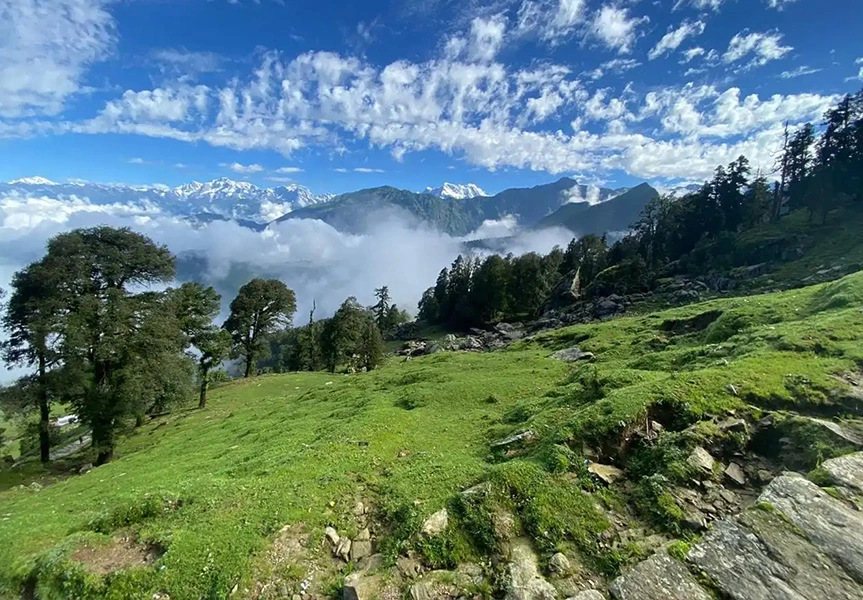
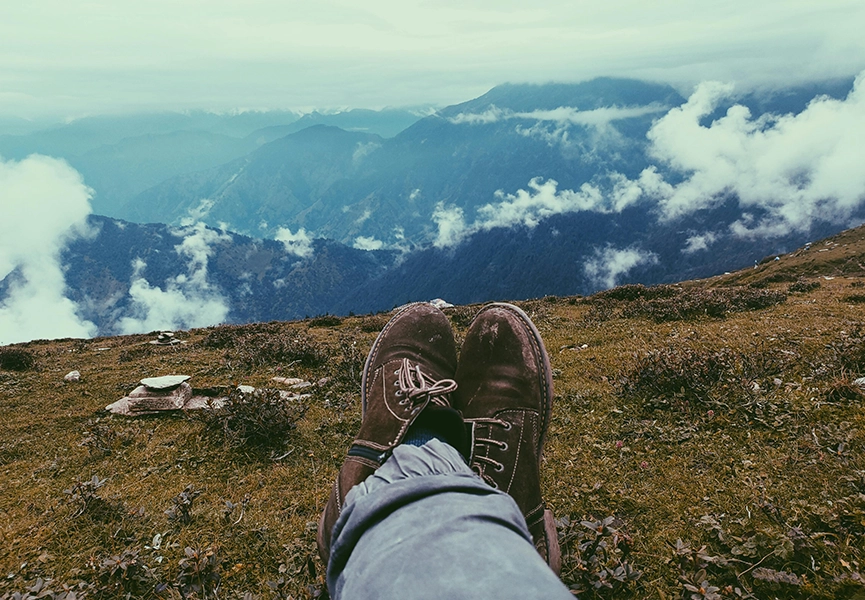
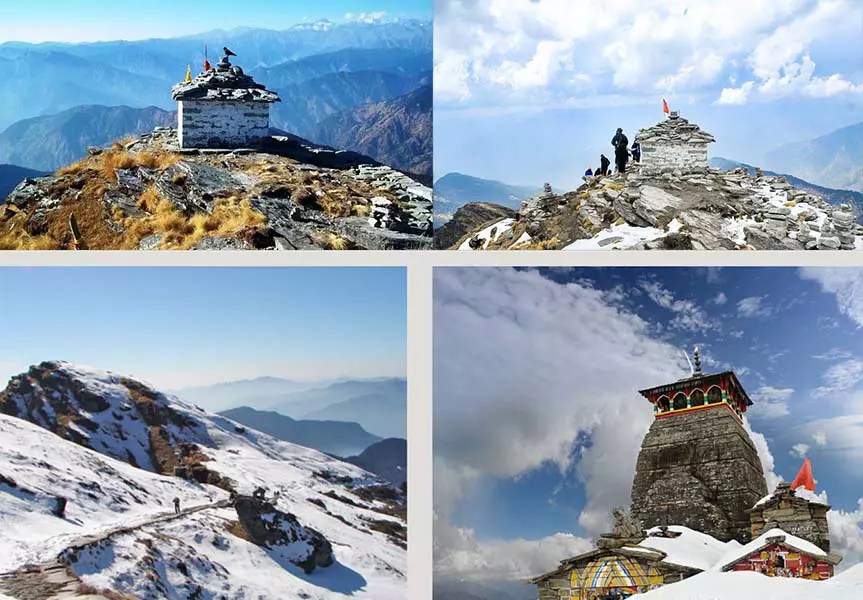
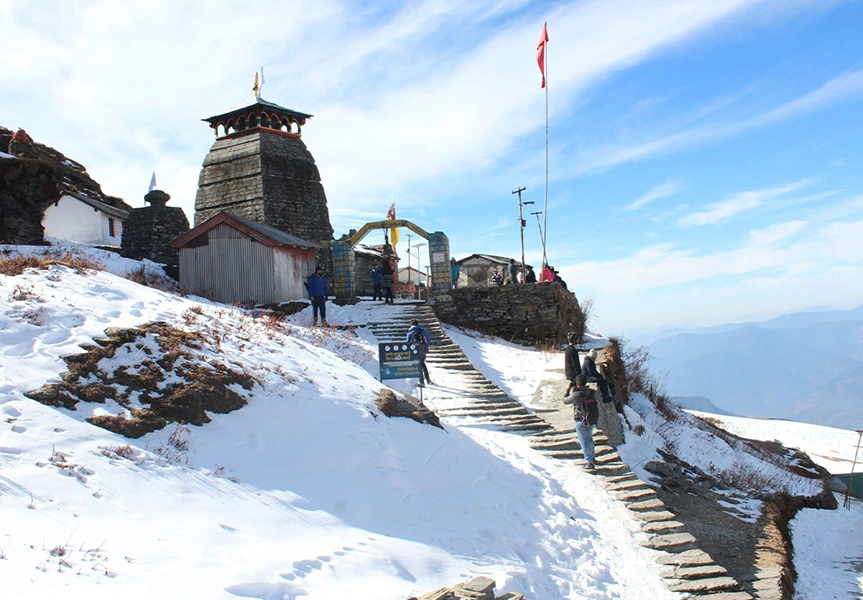
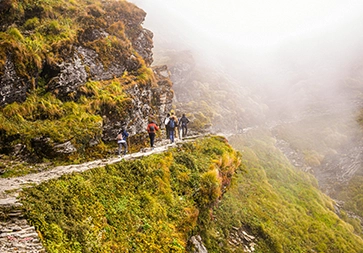
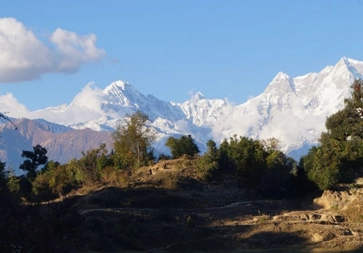
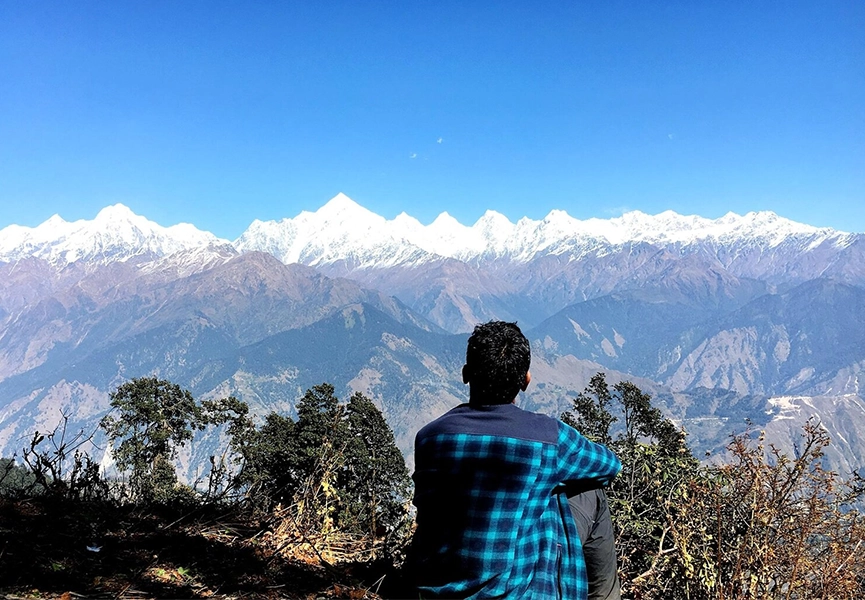
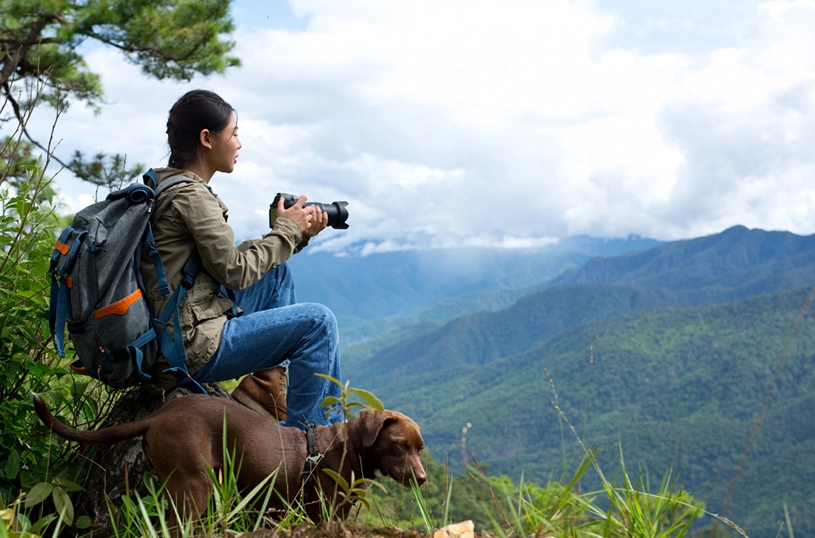
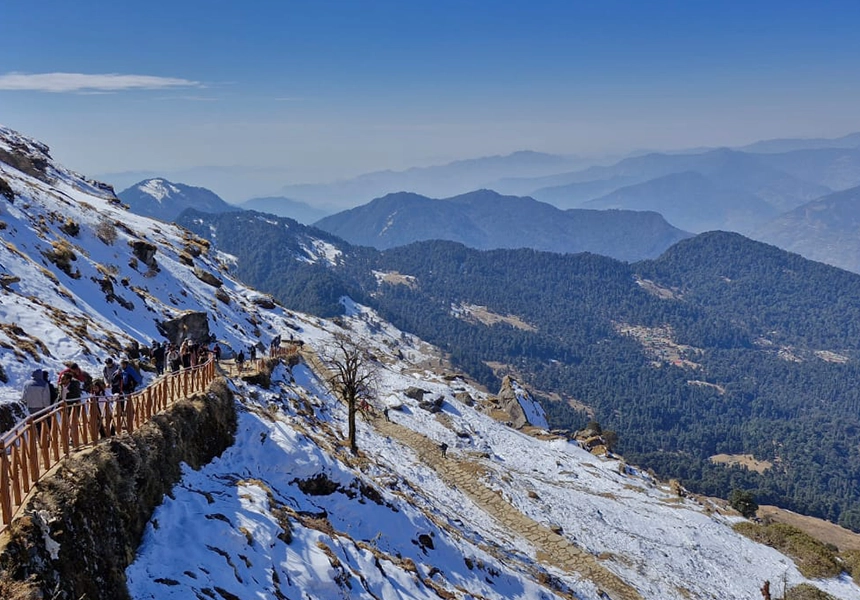
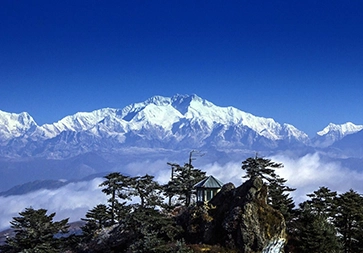
The Tungnath trek is considered an easy to moderate trek. It is around 3.5 km from Chopta and suitable for beginners, families, and first-time trekkers. The trek offers stunning views of Himalayan peaks.
What is included in a Chopta Tungnath trek package?
A typical Chopta Tungnath trek package includes transportation, homestay or campsite stay, meals (breakfast & dinner), and assistance for the trek to Tungnath and Chandrashila.
What is the best time to visit Chopta and Tungnath?
The best time for a Chopta Tungnath tour is from March to June for pleasant weather and from December to February for snowfall and snow trekking experience.
Is snowfall available in Chopta?
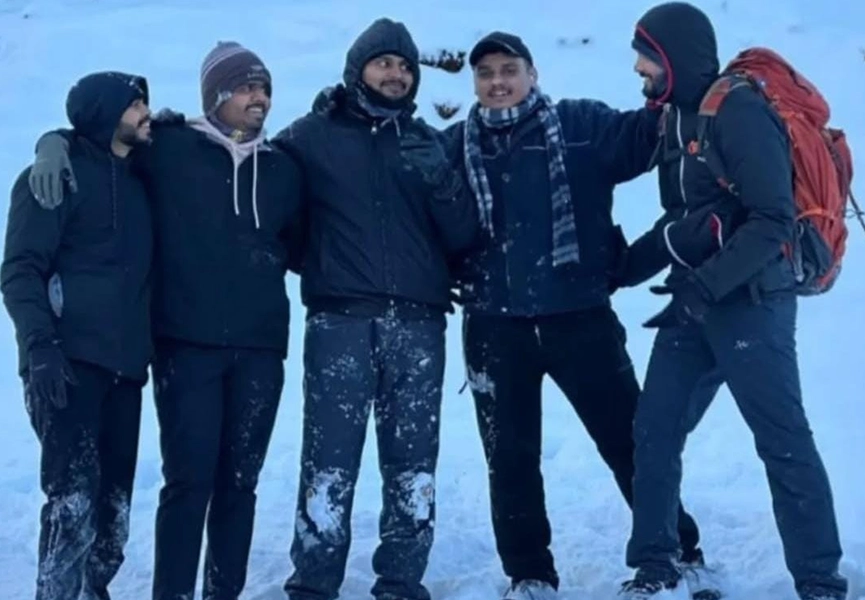
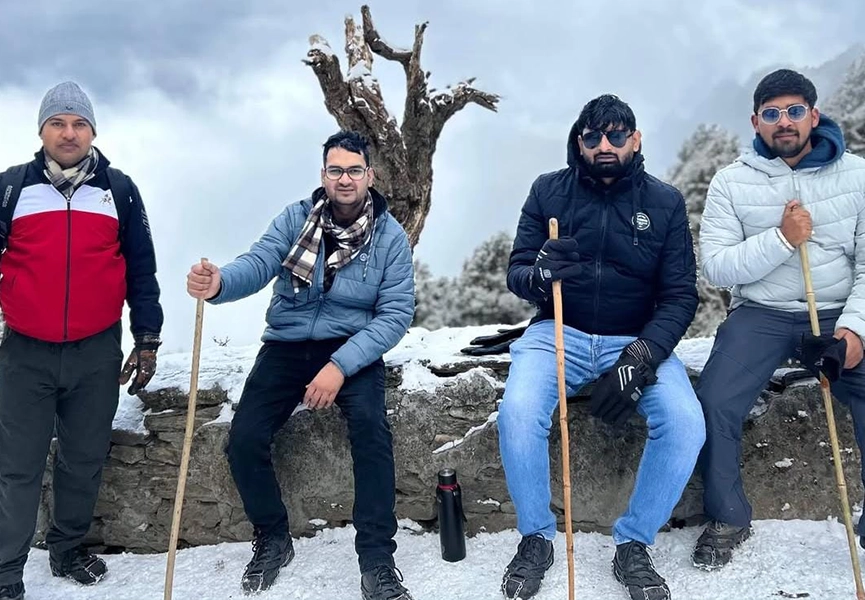
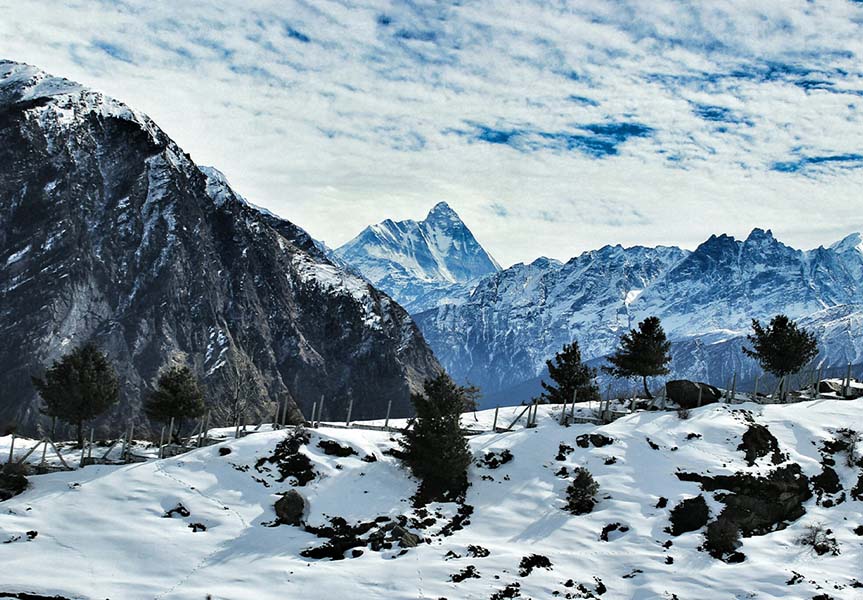
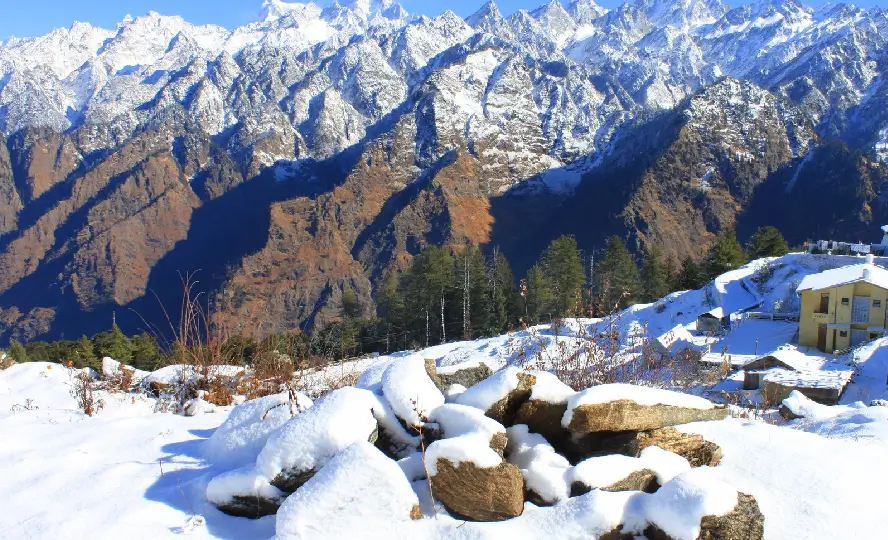
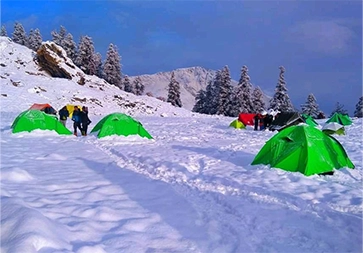
Yes, Chopta snowfall is common during winter months (December to February). Many tourists book Chopta tour packages during this time for a snow trek to Tungnath and Chandrashila.
How far is Chopta from Delhi?
The distance from Delhi to Chopta is approximately 400–450 km and takes around 10–12 hours by road. Most Chopta tour packages include overnight or early morning departures.
Can beginners do the Chopta Tungnath trek?
Yes, the Chopta Tungnath trek is beginner-friendly. Even people with basic fitness can complete the trek comfortably with proper rest and pacing.
What are the top attractions in Chopta tour packages?
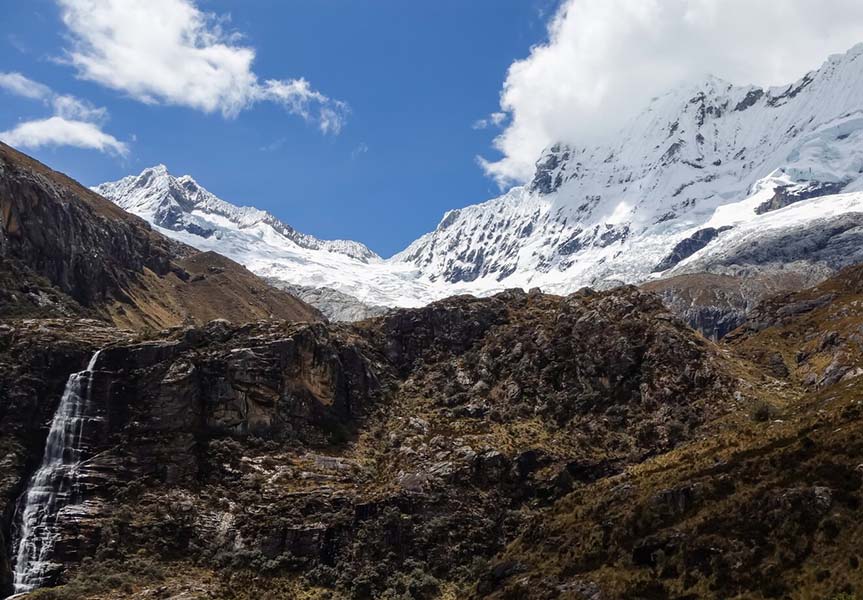
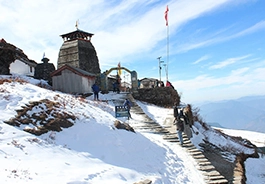
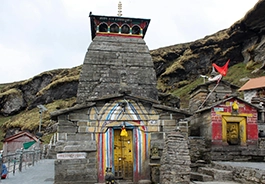
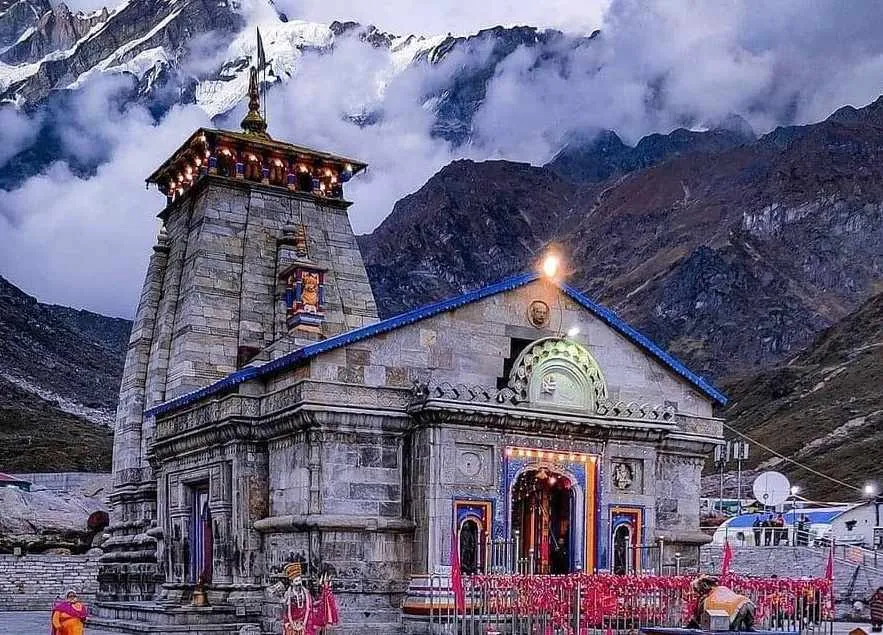
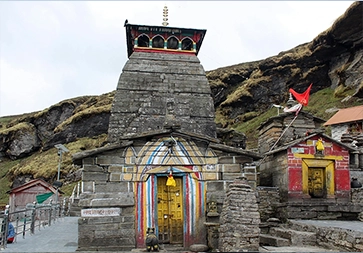
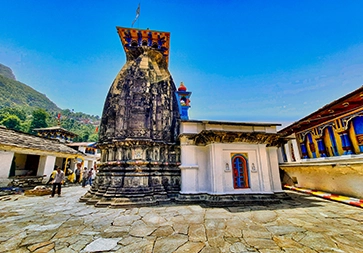
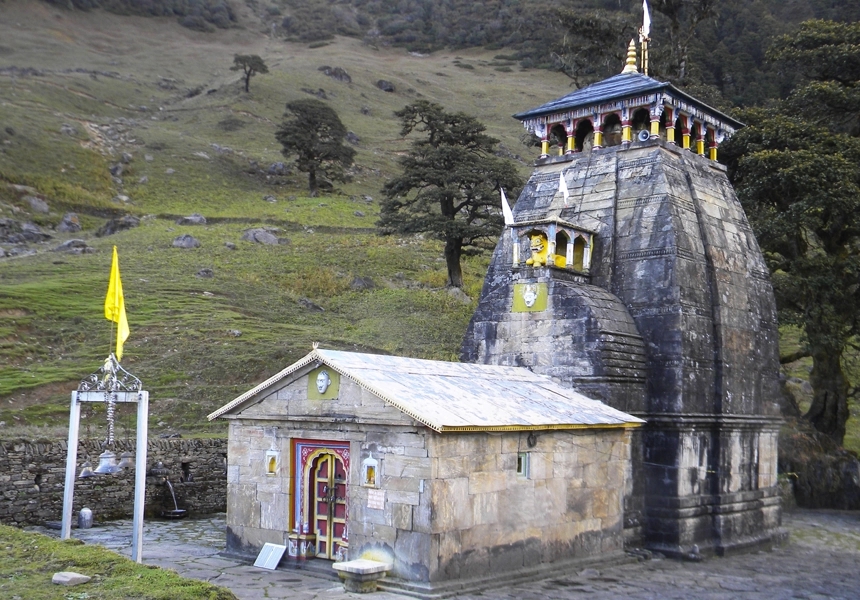
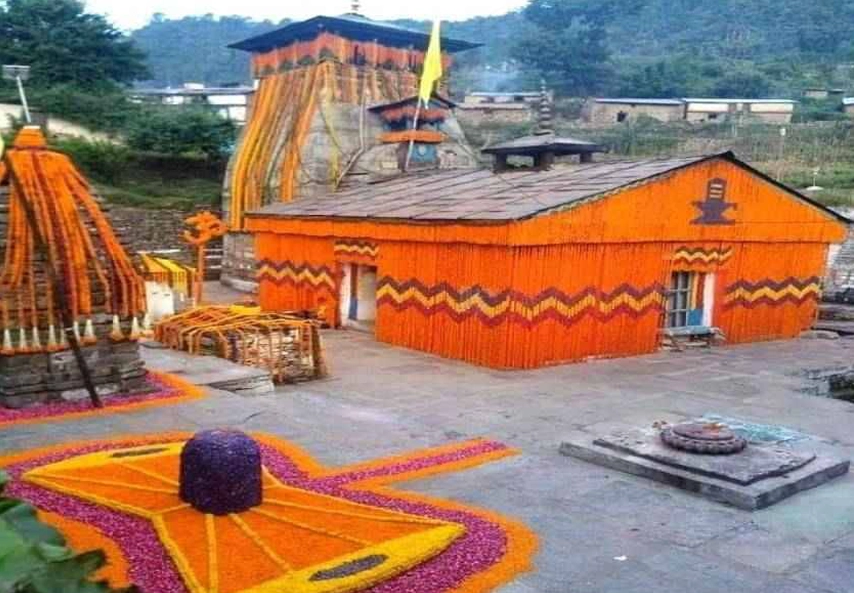
Top attractions included in Chopta tour packages are Tungnath Temple (highest Shiva temple), Chandrashila Peak, Deoriatal Lake, Omkareshwar Temple, Kalimath and scenic Himalayan forests.
Is Chopta safe for travel?
Yes, Chopta is considered a safe destination for tourists. Booking a reliable Chopta tour package ensures safe travel, accommodation, and guided assistance.