By Shubhank (Travelophila) – A local guide based on on-ground experience across Chardham routes
Introduction: A Local View of Timing, Weather & Crowd Reality
I’m Shubhank, born and brought up in Uttarakhand and part of the Travelophila team. Over the years, I’ve spent long stretches on Char Dham routes — from Barkot and Uttarkashi to Sersi, Sonprayag, Kedarnath, and Badrinath — watching how weather shifts, crowds move, and roads behave across the season. This guide isn’t copied from calendars. It’s written from what actually happens on the ground: when the first doli moves, how crowds thin after opening days, when cold nights return, and why September quietly becomes a second golden window for yatris.
If you’re choosing dates for Char Dham in 2026, use this month-by-month guide to match your comfort, safety, and crowd tolerance.
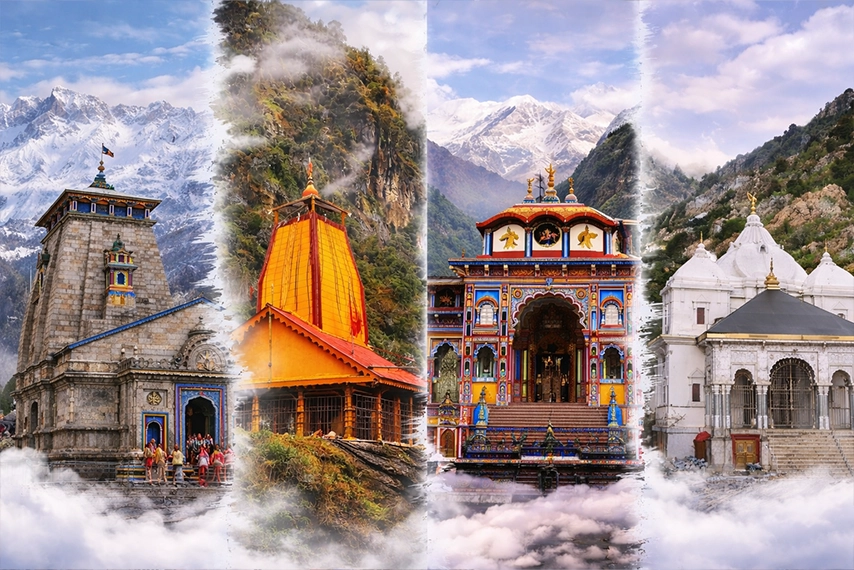
Char Dham Opening Dates 2026: What the First Week Really Looks Like
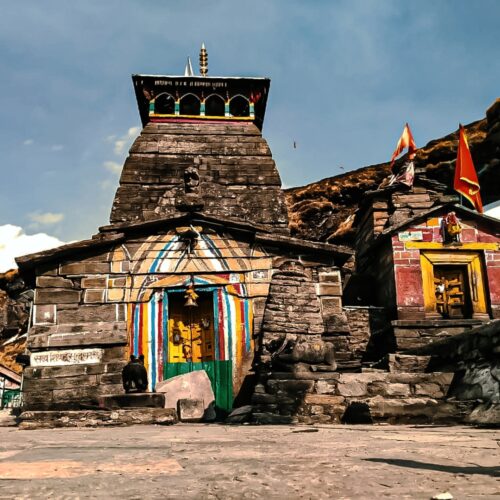
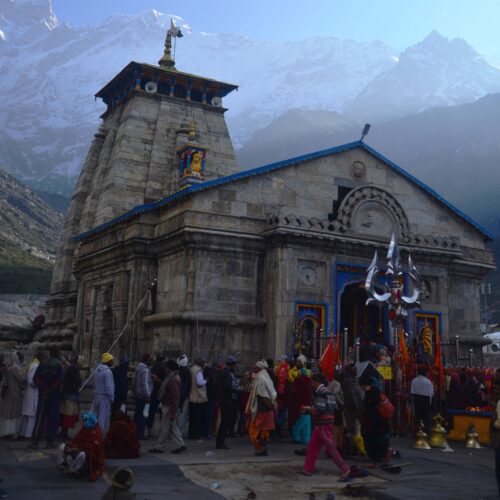
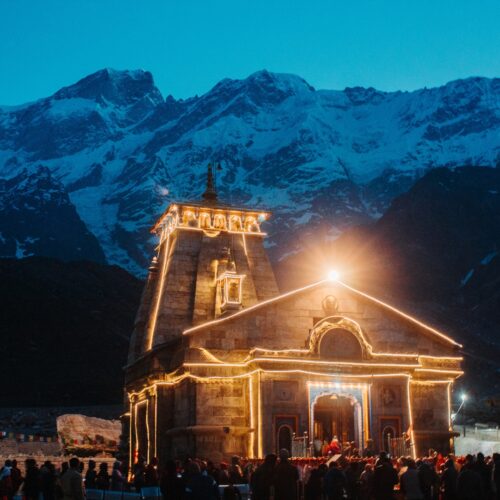
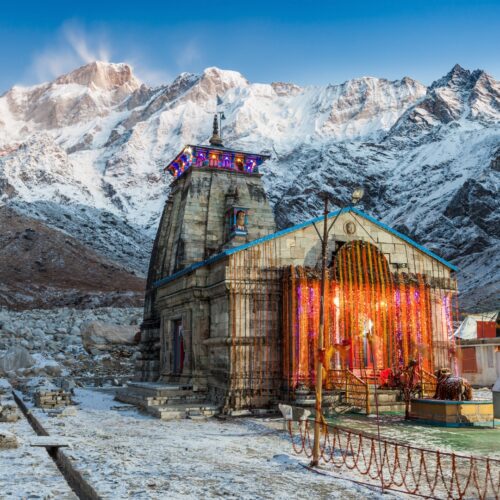
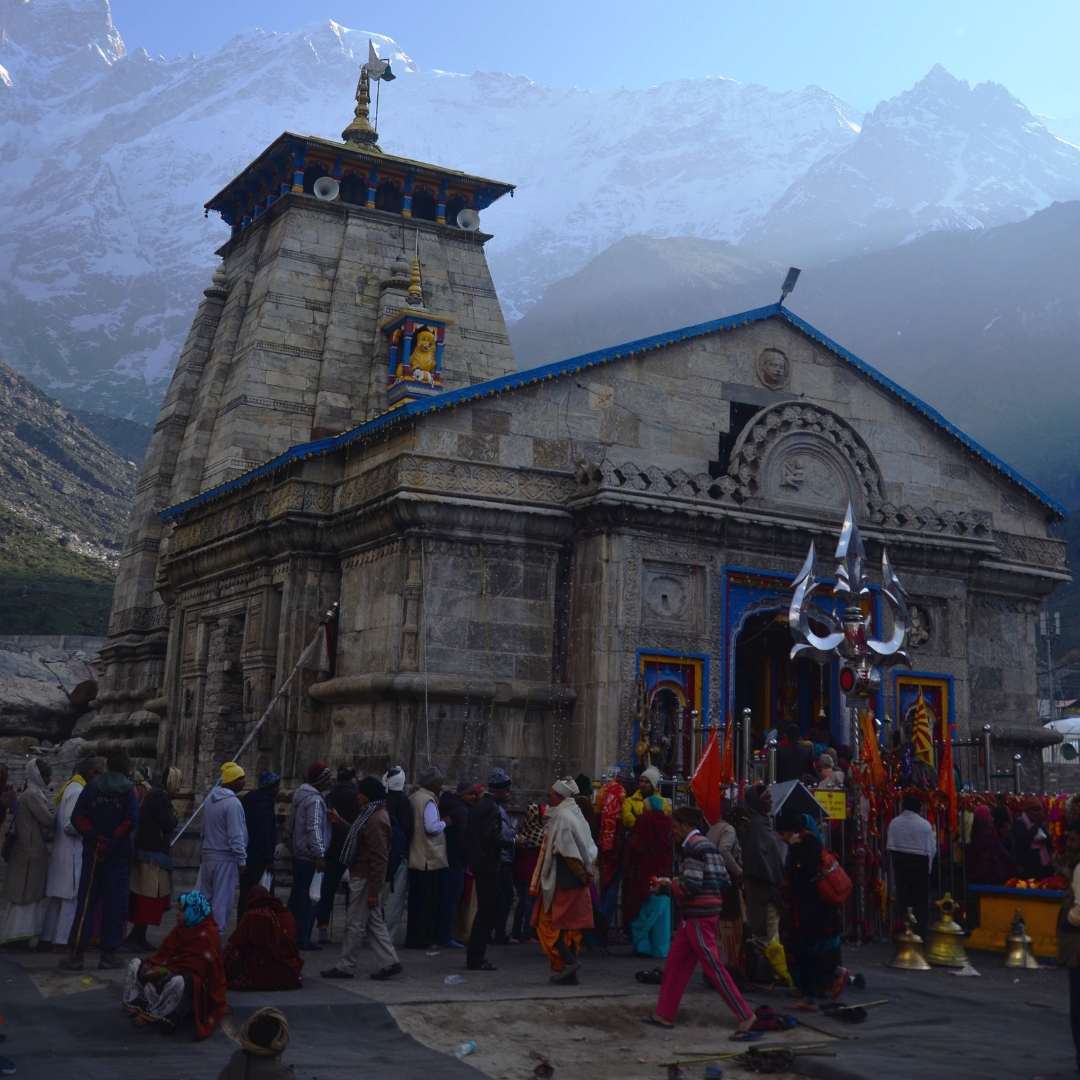
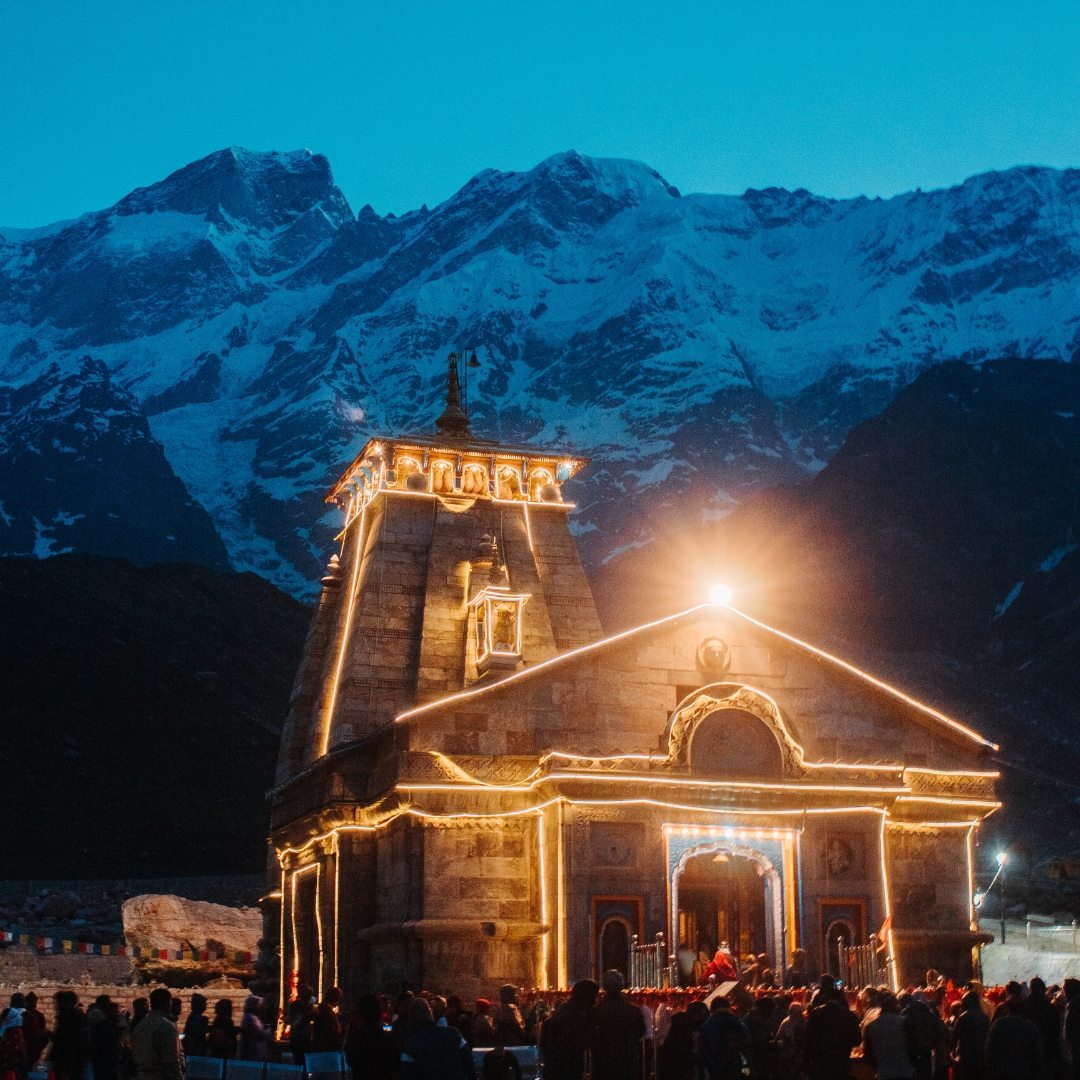
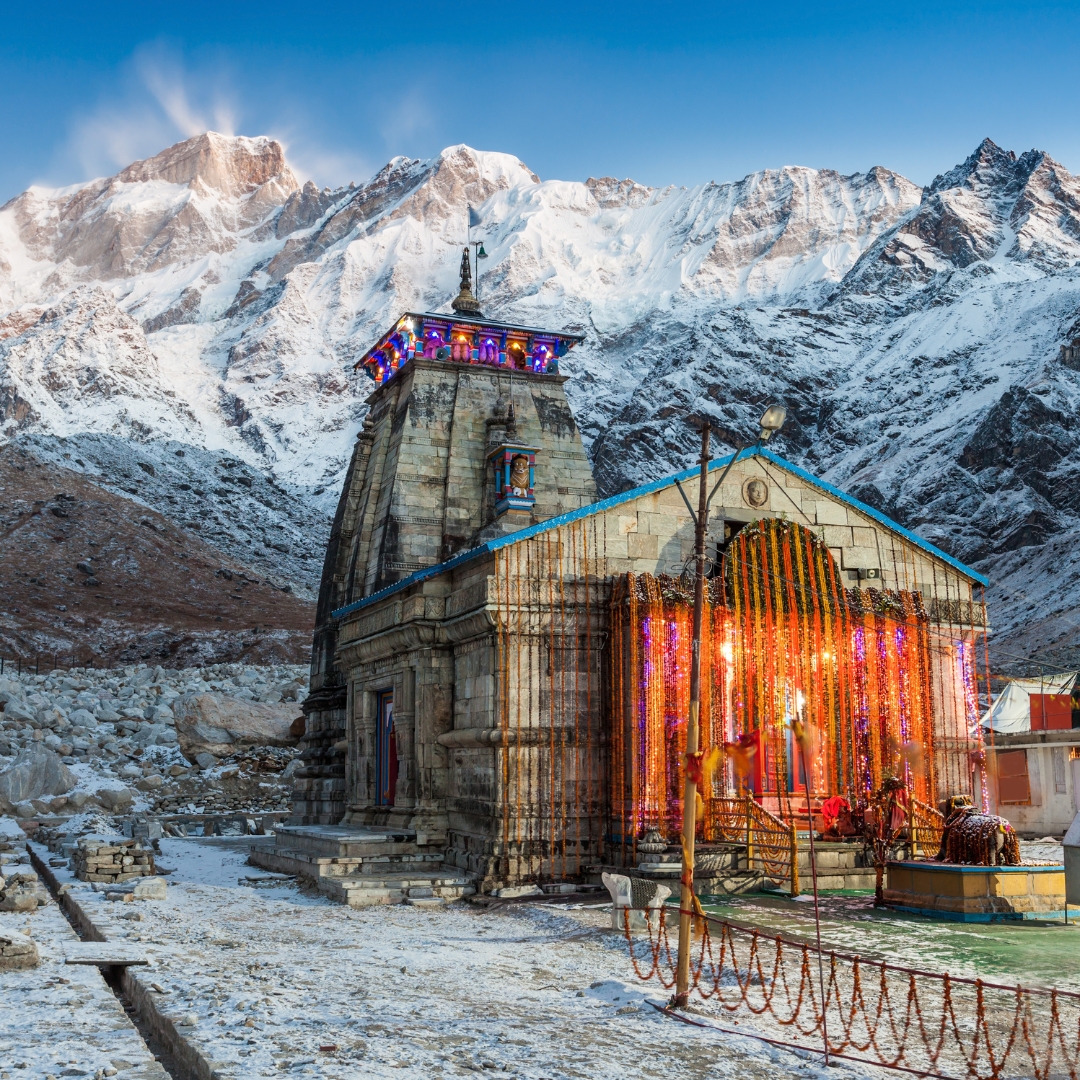
In 2026, Yamunotri and Gangotri open on 19 April. Kedarnath and Badrinath follow a few days later. The day the doli of Kedar Baba departs from Omkareshwar Temple towards Kedarnath is spiritually powerful and emotional — but the initial crowd you see is mostly locals and temple committees.
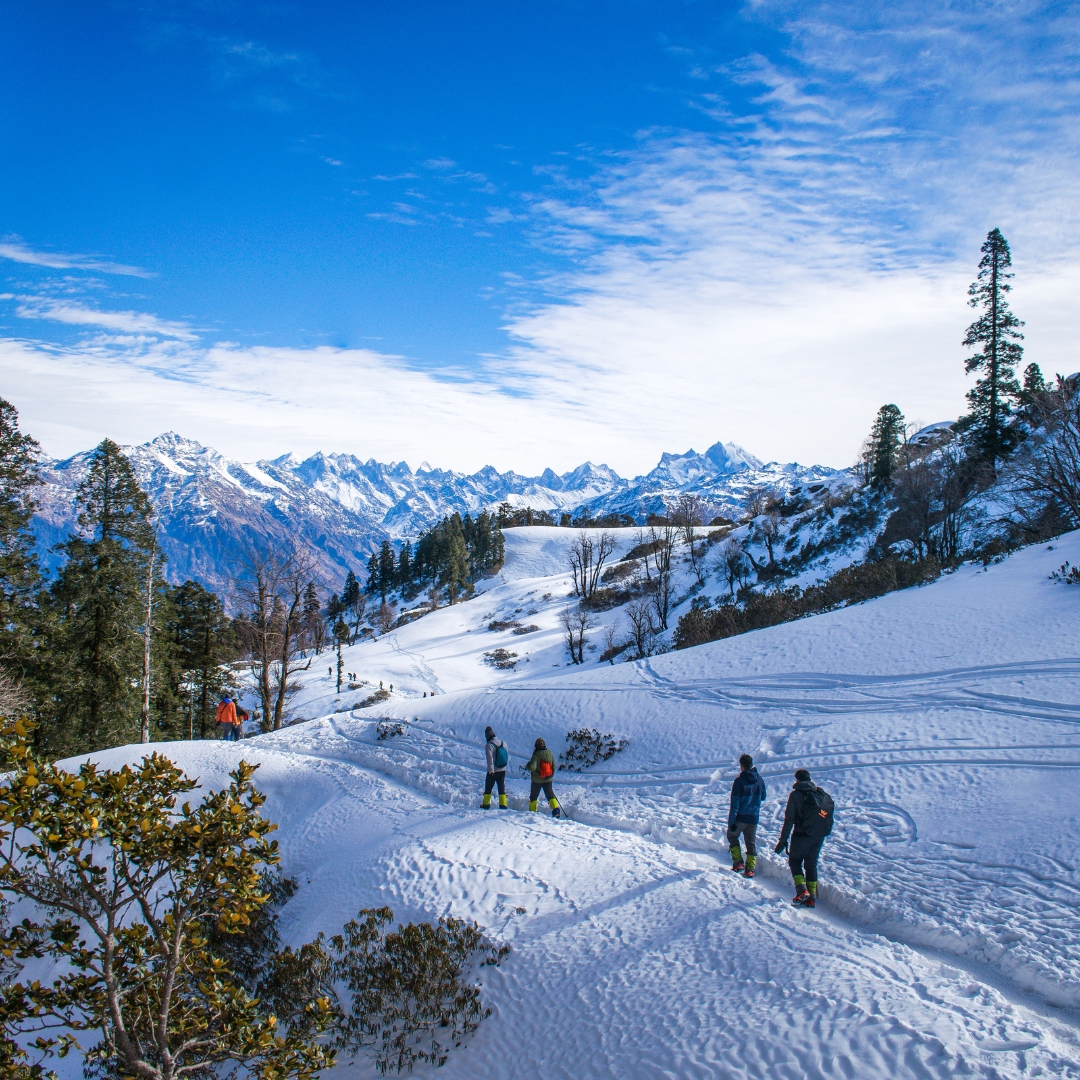
From experience, the first 2–3 days after opening feel busy near the temples, then the rush settles into a more manageable flow. Upper reaches (Kedarnath, Badrinath, Gangotri, Yamunotri) remain cold; nights can dip below zero at Kedarnath in early weeks.
For the official schedule and procession details, check the Chardham kapat opening dates and temple procession details (internal guide).
April to Early May: Quiet Mornings, Cold Nights, Clear Views
Who should go: peace seekers, photographers, fit pilgrims who don’t mind cold.
Upper shrines are cold (roughly –5°C to 15°C at Kedarnath, approximate).
You may see fresh snow on surrounding ridges.
After the first few days post-opening, crowds thin out.
Down-valley stays (Barkot, Uttarkashi, Sersi) are cool but comfortable.
Local tip: pack proper thermals for temple mornings; afternoons usually open up with sunshine.
Mid-May to 15 June: Stable Weather, Peak Crowd
Who should go: first-time yatris who want predictable weather.
Crowd spikes after 10–15 May when school/college vacations begin.
Kedarnath footfall can touch 25,000–30,000/day on busy days.
Upper areas feel pleasant by day; nights remain cold.
Lower valleys warm up (~22°C to 35°C, approximate).
Local tip: start early for darshan and plan buffer time for traffic around Sonprayag–Gaurikund.
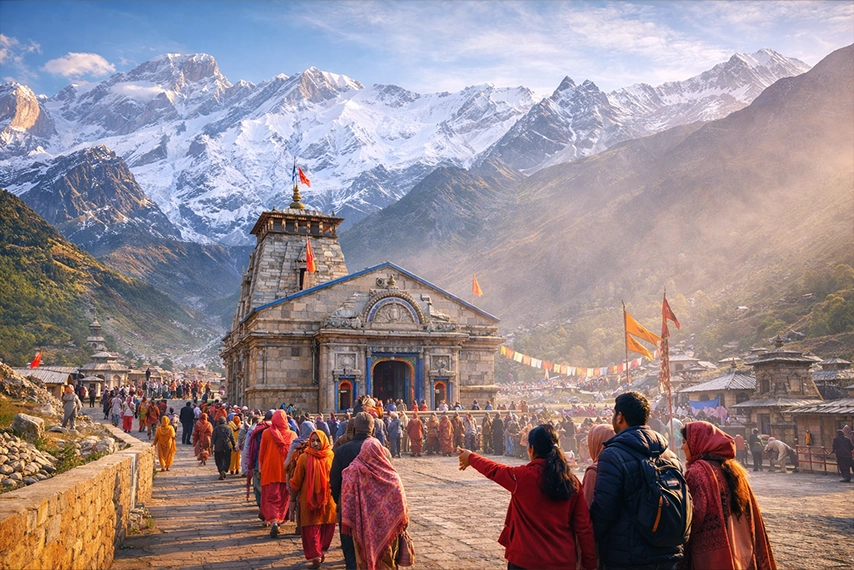
July to August: Monsoon Beauty with Real Risks
Who should go: flexible travelers who can handle delays.
Landslides and road closures are possible.
Helicopter services face frequent weather cancellations.
Lower crowds, but not ideal for seniors or tight schedules.
Local tip: always keep one buffer day; avoid night driving in heavy rain.
September to Early October: The Second Golden Window
Who should go: travelers who want balance — fewer crowds with better weather.
Monsoon fades; skies clear.
Night temperatures return in upper reaches (~–1°C to 18°C, approximate at Kedarnath).
Crowds rise again (second phase), but not like peak summer.
Local tip: pre-book stays at Kedarnath/Badrinath — reopening inventory fills fast.
Late October to Early November: Cold Nights, Pure Devotion
Who should go: youth and adventure-minded pilgrims.
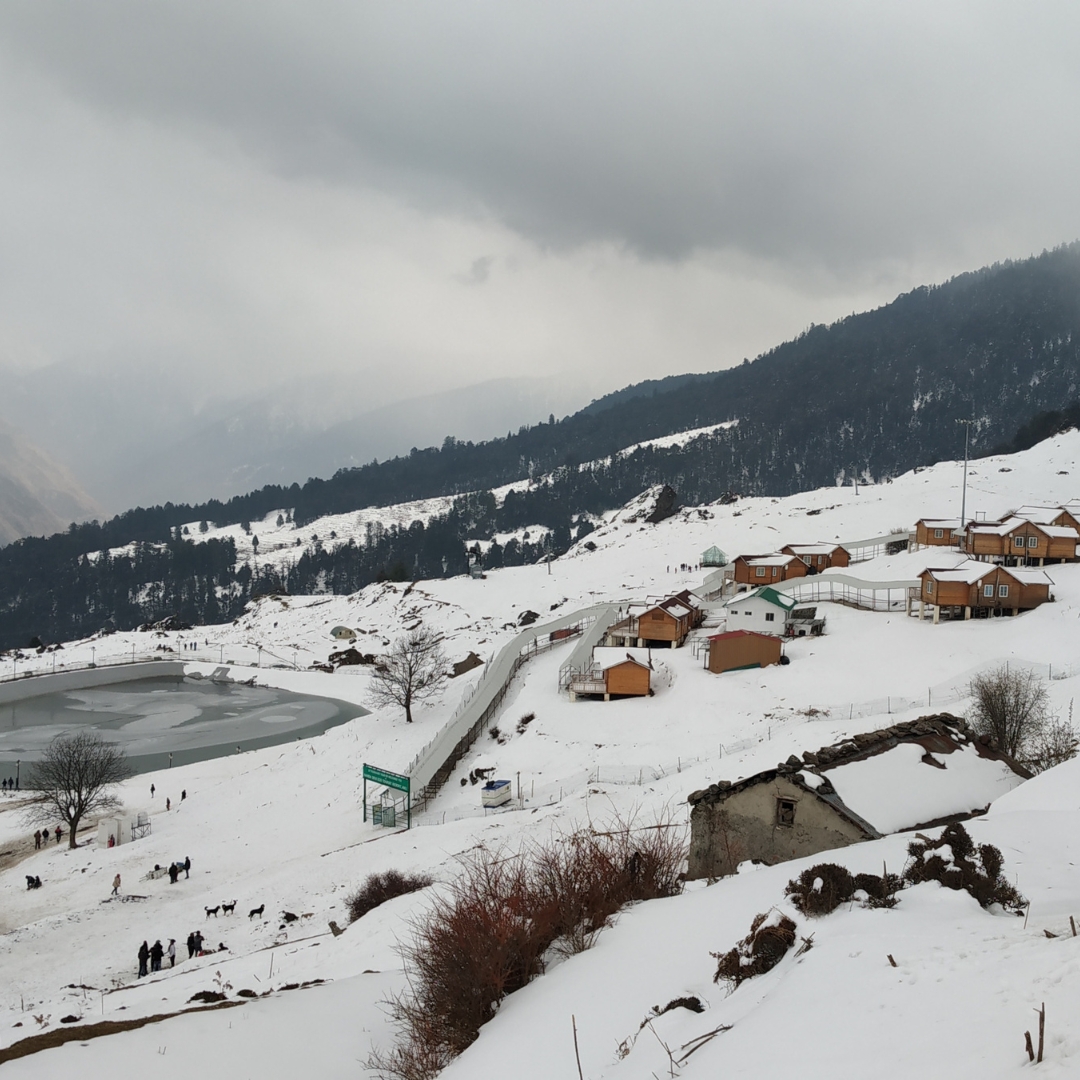
Upper shrines turn very cold (~–8°C to 10°C at Kedarnath, approximate).
Snowfall can begin; Diwali-time visits feel deeply spiritual.
Seniors and young children may struggle with cold exposure.
Local tip: carry insulated footwear and hot-water bottles for nights.
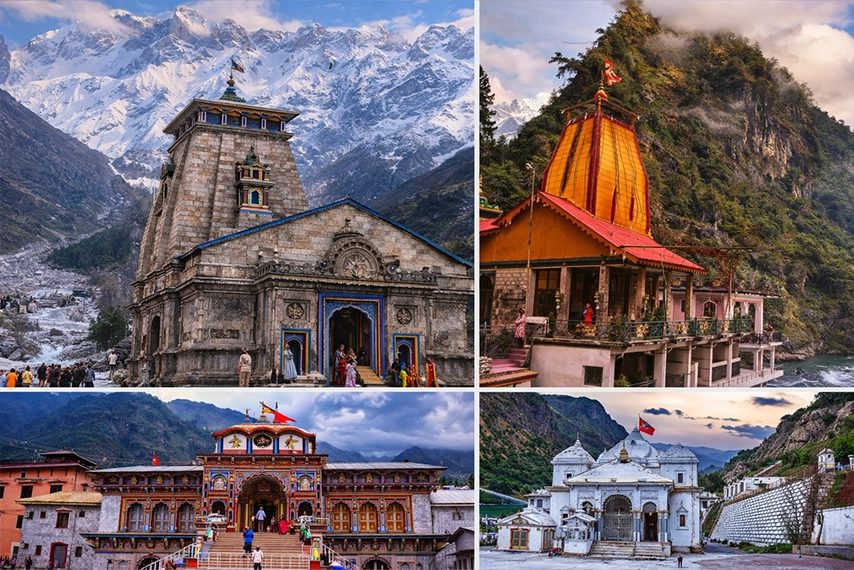
What Locals Actually Recommend
As people who work on these routes every season, we usually suggest mid-May to mid-June for first-time pilgrims who want stable weather, and mid-September to early October for those seeking fewer crowds with safer road conditions. These windows balance darshan flow, accommodation availability, and travel reliability.
Best Time by Traveler Type
Senior citizens: mid-May to mid-June (avoid monsoon).
Families with kids: late May to early June or late September.
Young travelers: late October for snow vibes (with proper gear).
Budget travelers: early May or late September (rates soften).
Helicopter pilgrims: late May to mid-June (best flight reliability).
Common Mistakes When Choosing Dates
Booking the very first opening day assuming it will be quiet.
Ignoring night temperatures at Kedarnath/Badrinath.
Planning tight schedules in monsoon without buffer days.
Underestimating how crowds surge after school vacations begin.
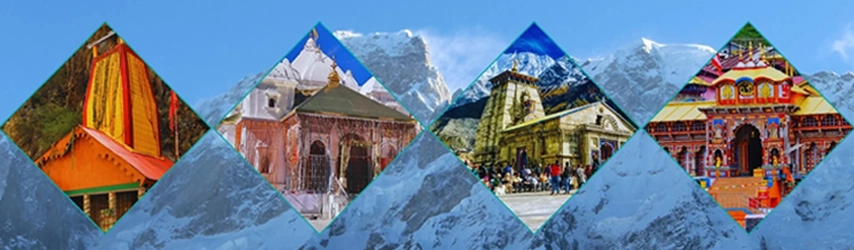
Planning Your Char Dham After Picking the Right Window
Once you’ve chosen your dates, plan routes and halts that match your pace and comfort. If you want help with vehicles, stays, permits, and darshan flow, explore locally planned Chardham travel routes with on-ground support to avoid last-minute stress and mismatched itineraries.
Further Reading from the Ground
If you want deeper on-ground perspective, read my six months of living and working in Kedarnath — it covers daily life, weather swings, and practical survival tips at altitude.
For rituals and schedules, see temple opening rituals and kapat calendar for Char Dham to align your dates with ceremonies.
Final Word
Chardham is not just a checklist — it’s a season-long rhythm of cold mornings, long queues, sudden rain, warm sunshine, and quiet moments by the rivers. Choose your window honestly, pack for the nights, keep buffer days, and the journey becomes smoother than most people expect.

Shubhank is a lifelong explorer and storyteller, born and raised in the scenic hills of Garhwal, Uttarakhand. With a deep connection to the mountains, valleys, and sacred trails of his homeland, he helps travelers discover the heart of Uttarakhand beyond the usual tourist spots.
Friends and travelers from across India often ask him: “Where should we go in Uttarakhand?” Shubhank’s answer comes from experience — the valleys he grew up in, the treks he has hiked since childhood, and the sacred routes his elders still walk. Through his writing, he shares personal insights, local stories, and practical tips that make every journey meaningful, memorable, and authentic.
Specializes in: Uttarakhand Treks • Cultural & Spiritual Journeys • Offbeat Hill Stations • Local Experiences
Writing Style: Personal, immersive, and experience-driven
Travel Philosophy: “Explore the hills as if they are your home, and every journey will tell a story.”