
From
Duration
Tour Type
Pricing shown in our packages is based on a per-person rate and it is our starting price. Final price may vary depending on the number of travelers.
Kedarkantha Trek Package – Overview
The Kedarkantha Trek Package is a 5-day Himalayan trekking experience through Sankri, Juda Ka Talab, forest trails, mountain camps and the Kedarkantha summit in Uttarkashi, Uttarakhand. Starting from ₹7,500 per person, the package includes transportation between Rishikesh and Sankri, accommodation, meals during the trek, camping arrangements, trekking support and applicable permits as mentioned in the package inclusions.
Kedarkantha reaches an altitude of approximately 3,800 metres (12,500 ft) and is generally considered an easy-to-moderate Himalayan trek. It is suitable for first-time trekkers with reasonable physical fitness, although the summit day requires more effort because of the altitude, steep sections, cold temperatures and changing mountain conditions.
The trail passes through the mountain village of Sankri, forest sections, Juda Ka Talab and high-altitude camps before reaching the summit. Travelophila’s package is planned to provide the essential trekking arrangements along with local support and clear guidance throughout the journey. The final package price may vary according to group size, travel date and any customized requirements.
Kedarkantha Trek Package 2026 – Quick Facts
| Trek Details | Information |
|---|---|
| Trek Name | Kedarkantha Trek |
| Location | Uttarkashi, Uttarakhand |
| Package Duration | 5 Days / 4 Nights |
| Starting Price | ₹7,500 per person |
| Pickup & Drop | Rishikesh |
| Trek Base | Sankri |
| Maximum Altitude | Approx. 3,800 m / 12,500 ft |
| Difficulty Level | Easy to Moderate |
| Approx. Trek Distance | Around 20 km |
| Trek Route | Sankri – Juda Ka Talab – Kedarkantha Base Camp – Kedarkantha Summit – Sankri |
| Accommodation | Stay at Sankri and camps during the trek |
| Meals | Meals during the trek as mentioned in the package inclusions |
| Suitable For | Beginners and experienced trekkers with suitable physical fitness |
| Trek Support | Trek leader / guide and support team |
| Permits | Applicable trekking and forest permits included |
| Popular For | Summit Trek, Winter Trek, Camping and Himalayan Views |
Note: Trek distance, route, campsite and trekking time may vary depending on weather, snow conditions, forest permissions and local conditions.
Kedarkantha Trek Package Price 2026
The Kedarkantha Trek Package price starts from ₹7,500 per person for the 5-day trekking itinerary. The package covers the essential arrangements required for the journey, including transportation between Rishikesh and Sankri, accommodation, camping arrangements, meals during the trek, trekking support and applicable permits as mentioned in the package inclusions.
The final Kedarkantha trek cost may vary depending on the number of trekkers, travel date, group size and any customized transportation or trekking requirements. The applicable price and complete inclusions will be confirmed before booking.
Starting Price: ₹7,500 per person
Package Includes: Rishikesh–Sankri–Rishikesh transportation, accommodation, camping arrangements, meals as per itinerary, trek leader/guide support and applicable trekking and forest permits.
Planning a Kedarkantha trek with your own group? Contact Travelophila for the exact package price according to your group size and travel date.
Kedarkantha Trek Itinerary – 5 Days / 4 Nights
Day 1: Rishikesh to Sankri
Your Kedarkantha Trek Package begins with a morning departure from Rishikesh towards Sankri, a mountain village in the Uttarkashi district and the main base for the Kedarkantha trek. The journey takes you deep into the Garhwal Himalayas before reaching Sankri, situated at approximately 2,000 metres above sea level.
After arrival, check in and take proper rest. The evening is kept easy so that you can prepare for the trekking days ahead. Your trek leader will brief you about the route, weather conditions, necessary equipment and basic mountain-safety instructions.
Avoid unnecessary physical exertion after reaching Sankri. Have an early dinner, arrange your backpack and get sufficient sleep before the first trekking day.
Night Stay: Sankri
Accommodation: Guesthouse/Homestay
Meals: Dinner
Day 2: Sankri to Juda Ka Talab
Trek Distance: Approx. 4 km
Trekking Time: Approx. 4–5 hours
Stay: Camp at/near Juda Ka Talab
After breakfast, begin the trek from Sankri towards Juda Ka Talab, one of the best-known stops on the Kedarkantha trail. The route gradually climbs away from Sankri and passes through beautiful Himalayan forest sections dominated by pine and oak.
Although the distance is not very long, this is the first proper climbing day, so maintaining a comfortable and steady pace is more important than walking fast. During winter, snow and ice can make the same trail slower and more demanding.
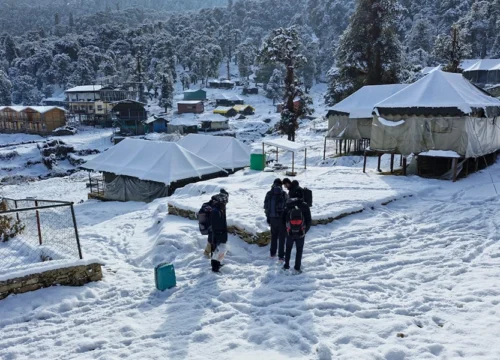
Juda Ka Talab is a small high-altitude lake surrounded by forest. In the colder part of winter, the lake and surrounding landscape may freeze or become covered with snow, depending on current weather conditions.
After reaching the campsite, rest and allow your body time to adjust to the higher altitude. Dinner and overnight stay will be arranged at the camp.
Night Stay: Juda Ka Talab Camp
Meals: Breakfast, Lunch & Dinner
Day 3: Juda Ka Talab to Kedarkantha Base Camp
Trek Distance: Approx. 4 km
Trekking Time: Approx. 3–4 hours
Stay: Kedarkantha Base Camp
After breakfast, continue from Juda Ka Talab towards Kedarkantha Base Camp. The route climbs through oak and pine forests before gradually opening towards the higher sections of the mountain.
The base camp is located at a significantly higher altitude than Sankri, so this day should be approached at a controlled pace. Take regular water breaks and follow the instructions of the trek leader rather than trying to reach the campsite quickly.
On a clear day, the higher sections provide impressive views of the surrounding Himalayan landscape. After reaching base camp, spend the afternoon resting and preparing for the most demanding part of the journey—the Kedarkantha summit climb.
Dinner is normally served early because the summit attempt begins before sunrise. Keep your headlamp, gloves, water, warm layers and other summit essentials ready before going to sleep.
Night Stay: Kedarkantha Base Camp
Meals: Breakfast, Lunch & Dinner
Day 4: Kedarkantha Base Camp → Kedarkantha Summit → Juda Ka Talab
Maximum Altitude: Approx. 3,800 m / 12,500 ft
Trekking Time: Approx. 6–8 hours, depending on trail and weather conditions
This is the most important and challenging day of the Kedarkantha trek itinerary. The summit journey generally begins before sunrise so that the group can complete the higher section of the trail under suitable conditions.
The climb becomes steeper as you approach Kedarkantha Summit, and winter snow or ice can make progress slower. Follow the trek leader’s pace and use snow equipment whenever the trail conditions require it.
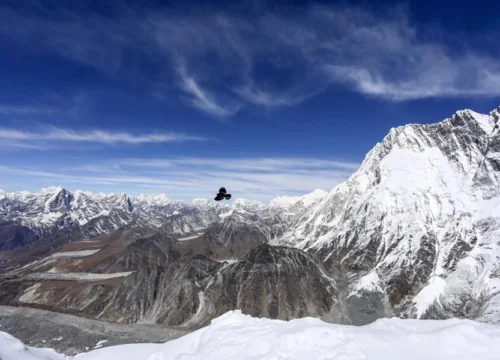
At approximately 3,800 metres (12,500 ft), Kedarkantha Summit provides wide views across the surrounding Himalayan ranges. On clear days, prominent peaks such as Swargarohini, Bandarpoonch and Kala Nag can be seen from the upper sections.
After spending a limited amount of time at the summit, begin the descent. Descending also requires attention, particularly on snow-covered or slippery sections, so do not rush downhill.
Continue towards the designated campsite around Juda Ka Talab for dinner and a well-earned night’s rest.
Night Stay: Camp at/near Juda Ka Talab
Meals: Breakfast, Lunch & Dinner
Important: Reaching the summit is always subject to weather, snow, trail conditions and the trek leader’s safety assessment. In the mountains, completing the trek safely is more important than reaching the summit at any cost.
Day 5: Juda Ka Talab to Sankri → Rishikesh
After breakfast, begin the final descent through the forest towards Sankri. The downhill trail is comparatively easier, but trekkers should continue walking carefully because wet ground, loose sections, ice or snow can make parts of the route slippery.
After reaching Sankri, meet the vehicle and begin the return journey towards Rishikesh.
With the descent complete, your 5-day Kedarkantha Trek Package comes to an end with memories of forest trails, mountain camps and the Kedarkantha summit.
Meals: Breakfast
Drop: Rishikesh
Note: Trekking distances, campsites, timings and the exact route may be changed by the trek leader according to snowfall, weather, forest regulations, trail conditions and other local circumstances.
Safety & Trek Support on Kedarkantha
Kedarkantha is commonly considered an easy-to-moderate Himalayan trek, but it still reaches approximately 3,800 metres and should be approached as a high-altitude mountain trek rather than a normal hill walk. The summit section is steeper and can become considerably more demanding when there is fresh snow or ice. Uttarakhand Tourism also identifies the trek as easy-to-moderate and notes that the summit section is more challenging.
Trek Leader & Local Support
The group is accompanied by an experienced trek leader/guide and support staff during the trekking route. Trekkers should follow the trek leader’s instructions regarding walking pace, campsite movement, weather conditions and the summit attempt.
First-Aid Support
A basic first-aid arrangement is maintained during the trek for common trekking-related situations. Guests who take regular medicines should carry an adequate personal supply and inform the trek leader about any relevant medical condition before starting the trek.
Snow & Trail Safety
During winter, sections of the Kedarkantha trail can become snowy or icy. Gaiters and microspikes are used when trail conditions require them to provide better protection and grip. These are commonly used by established Kedarkantha operators during snow conditions.
Weather & Summit Safety
Mountain weather can change quickly. Heavy snowfall, poor visibility, strong winds, unsafe snow or difficult trail conditions can affect the planned route.
The trek leader’s decision regarding the summit attempt and route safety will be final. If conditions are unsafe, the itinerary may be modified or the summit attempt may be stopped. Safety takes priority over completing the planned route.
Essential Things to Carry for Kedarkantha Trek
You do not need to carry unnecessary luggage on Kedarkantha. A lighter, properly packed backpack makes the climb considerably more comfortable. Bring equipment suitable for the season rather than ordinary hill-station clothing.
Trekking Shoes
Carry good-quality trekking shoes with ankle support and a strong grip. Waterproof or water-resistant trekking shoes are particularly useful during snow conditions. Avoid starting the trek in brand-new shoes that you have never worn before.
Warm Clothing
Carry thermal inner layers, a fleece or warm middle layer and a properly insulated jacket. A windproof/water-resistant outer layer is useful because mountain conditions can change quickly.
Head, Hand & Foot Protection
Carry a warm woollen cap or balaclava, insulated gloves and multiple pairs of comfortable trekking socks. In winter, keeping your hands and feet dry is especially important.
Headlamp
A headlamp with spare batteries is essential because the Kedarkantha summit climb generally begins before daylight.
Sunglasses & Sun Protection
Carry UV-protected sunglasses, sunscreen and lip balm. Sunglasses become particularly important when trekking over snow because of reflected sunlight.
Backpack & Rain Cover
Use a comfortable trekking backpack with good shoulder and waist support and keep a rain cover with it. Avoid carrying unnecessary heavy items.
Water Bottle
Carry a reusable water bottle and drink water regularly throughout the trek. Do not wait until you feel very thirsty before hydrating.
Personal Medicines
Bring all medicines prescribed for your personal use in sufficient quantity. Also carry basic personal items such as ORS, blister protection and any medication you normally require.
Personal Essentials
Keep your original government-issued photo ID, toiletries, hand sanitizer, a small towel, power bank and a few energy snacks in your personal bag.
Local Trekking Tip: Keep your headlamp, gloves, sunglasses, water and an extra warm layer where you can reach them easily on summit day. Do not pack these essentials at the bottom of your backpack—you may need them quickly while walking in darkness, cold or changing weather.
Local Tips for Kedarkantha Trek from Our Uttarakhand Team
Kedarkantha is often chosen as a first Himalayan trek, but mountain conditions around Sankri and the higher camps can change quickly. A little preparation before reaching Uttarakhand can make the trek much more comfortable. Based on practical mountain travel experience, these are a few things we recommend keeping in mind.
1. Reach the Mountains with the Right Trekking Shoes
Do not depend on ordinary sports shoes for Kedarkantha, especially during winter. Use trekking shoes with good grip and ankle support, and wear them a few times before your trip. New shoes used directly on the trek can cause blisters and discomfort.
2. Do Not Judge the Trek Only by Its Distance
The total trekking distance is not very long compared with many Himalayan treks, but altitude, snow, cold weather and the steep summit section make a difference. Walk at a steady pace instead of trying to reach the campsite before everyone else.
3. Keep Summit-Day Essentials Separately
Before sleeping at base camp, keep your headlamp, gloves, woollen cap, sunglasses, water bottle and an extra warm layer together. The summit climb starts very early, and searching through your entire backpack in the cold and darkness is something you want to avoid.
4. Layer Your Clothes Instead of Wearing One Heavy Jacket
Conditions can feel very different while walking, resting and standing at the summit. Multiple layers allow you to add or remove clothing according to your body temperature. Avoid allowing your inner clothes to become excessively sweaty while climbing.
5. Drink Water Even When You Do Not Feel Very Thirsty
Cold weather often reduces the feeling of thirst. Continue drinking water regularly and eat properly during the trek. Do not skip meals simply because altitude or tiredness has reduced your appetite.
6. Keep One Flexible Mindset for Mountain Weather
Snowfall is part of Kedarkantha’s attraction, but heavy snowfall can also slow the trail, affect road movement and change the planned campsite or summit schedule. The trek leader may modify the route when conditions require it.
7. Do Not Chase the Summit at the Cost of Safety
Kedarkantha Summit is the highlight of the trek, but reaching it is never more important than returning safely. If the trek leader stops or changes the summit attempt because of snowfall, strong wind, poor visibility, health concerns or unsafe trail conditions, follow that decision.
Best Time for Kedarkantha Trek
The best time for the Kedarkantha Trek depends on whether you want snow, comparatively milder conditions or clearer mountain views. For the classic winter experience, December to April is the most popular period. December begins the main winter season, while January and February generally offer the strongest chances of substantial snow cover. March and April can offer a good balance of comparatively milder conditions with snow still possible on the upper sections.
December to February – For the Winter & Snow Experience
This is the period most people associate with Kedarkantha. The forests, campsites and higher slopes can receive significant snowfall, with January and February generally providing deeper snow conditions. It is also colder, and walking through snow requires more effort than walking on a dry trail.
March to April – For a Milder Trekking Experience
As winter begins to recede, lower sections gradually become clearer while snow can remain around the higher reaches and summit. For trekkers who want a Himalayan trek but are less comfortable with the intense cold of peak winter, this can be a good period to consider.
Important: Snowfall in the Himalayas is natural and weather-dependent. Travelophila does not guarantee fresh snowfall or a specific amount of snow on any particular departure date.
Planning your dates? Read our detailed Best Time for Kedarkantha Trek guide for month-by-month information on weather, snow conditions and what to expect in each season.
Kedarkantha Trek Difficulty – Is It Suitable for Beginners?
The Kedarkantha Trek is generally rated easy to moderate, making it a popular choice for people planning their first Himalayan summit trek. However, “beginner-friendly” should not be understood as “effortless.”
The trek reaches approximately 3,800 metres (12,500 ft). Most trekking days involve manageable distances, but the combination of continuous uphill walking, high altitude, low temperatures and snow can make the experience physically demanding. The Kedarkantha summit day is the most challenging part, as trekkers start early and negotiate a steeper climb before making a long descent.
Previous high-altitude trekking experience is not normally necessary, but reasonable physical fitness is important. Before your trip, regular brisk walking, jogging, stair climbing or similar cardiovascular exercise can make the trek considerably more comfortable. Current specialist guides likewise classify Kedarkantha as easy-to-moderate while highlighting cold, altitude, snow and summit day as its principal challenges.
People with a medical condition that could be affected by strenuous exercise, cold or altitude should seek appropriate medical advice before booking. During the trek, never hide symptoms simply because you want to complete the summit.
Frequently Asked Questions About Kedarkantha Trek Package
1. What is the Kedarkantha Trek Package price in 2026?
The Travelophila Kedarkantha Trek Package starts from ₹7,500 per person. The final price may vary according to group size, travel date and any customized requirements. The applicable price and inclusions are confirmed before booking.
2. How many days are required for the Kedarkantha Trek?
Travelophila’s Kedarkantha Trek Package is 5 days / 4 nights, including transportation between Rishikesh and Sankri. The trekking route covers Sankri, Juda Ka Talab, Kedarkantha Base Camp and Kedarkantha Summit before returning to Sankri.
3. Is Kedarkantha Trek suitable for beginners?
Yes, Kedarkantha is generally considered an easy-to-moderate trek and is commonly chosen by first-time Himalayan trekkers. Beginners should still prepare physically because the trek reaches around 12,500 ft and includes cold conditions, uphill walking and a demanding summit day.
4. What is the height of Kedarkantha Summit?
Kedarkantha Summit is approximately 3,800 metres (around 12,500 ft) above sea level. Because of the altitude, trekkers should walk at a comfortable pace and follow the trek leader’s instructions.
5. Which month is best for the Kedarkantha Trek?
For a winter trekking experience, December to April is a popular period. January and February generally offer stronger chances of deeper snow, while March and April can provide comparatively milder conditions with snow still possible at higher elevations.
6. Is snow guaranteed during the Kedarkantha Trek?
No. Snowfall can never be guaranteed for a particular date. Snow depth and fresh snowfall depend entirely on current weather conditions. Winter departures generally provide better chances of snow, particularly around the higher sections, but conditions vary from year to year.
7. What type of accommodation is provided on the Kedarkantha Trek?
Accommodation is provided at Sankri in a guesthouse/homestay and in tents at the trekking camps, according to the itinerary. Camping arrangements include the equipment mentioned under the package inclusions. Accommodation is generally provided on a sharing basis.
8. Are meals included in the Kedarkantha Trek Package?
Yes. Breakfast, lunch and dinner during the trekking days are included as specified in the itinerary. Meals during the road journey between Rishikesh and Sankri are not included unless specifically mentioned in your confirmed package.
9. What safety equipment is provided during the trek?
The package includes basic first-aid support and trekking support from the guide/team. During snowy or icy trail conditions, gaiters and microspikes are provided/used when required, according to the package arrangements and trek leader’s assessment. Trekkers must still carry appropriate personal clothing, trekking shoes and prescribed medicines.
10. What happens if bad weather prevents the Kedarkantha summit attempt?
The summit attempt depends on weather, snowfall, visibility, trail conditions and the trek leader’s safety assessment. If conditions are unsafe, the trek leader may change the route, alter the schedule or stop the summit attempt. No trekker should continue against the trek leader’s safety instructions.
Included/Exclude
Kedarkantha Trek Package Inclusions
- Transportation from Rishikesh to Sankri and back to Rishikesh
- Accommodation at Sankri in a guesthouse/homestay on sharing basis
- Camping accommodation during the trek
- Tents, sleeping bags and sleeping mats
- Breakfast, lunch and dinner during the trekking days as mentioned in the itinerary
- Experienced trek leader/guide and required support staff
- Common camping arrangements and equipment
- Applicable forest entry, trekking permits and camping charges
- Basic first-aid support during the trek
- Snow gear such as gaiters and microspikes when required according to trail conditions
- All applicable transportation toll and parking charges
Kedarkantha Trek Package Exclusions
- Personal trekking clothing, trekking shoes, backpack and other personal gear
- Meals during the Rishikesh–Sankri and Sankri–Rishikesh road journeys unless specifically mentioned
- Personal expenses, snacks, bottled beverages, laundry or tips
- Backpack offloading, porter or mule services for personal luggage
- Travel or trekking insurance
- Any medical treatment, hospitalization or emergency evacuation expenses
- Additional transport or accommodation required because of roadblocks, heavy snowfall, landslides, extreme weather or circumstances beyond our control
- Any activity, service or expense not specifically mentioned under package inclusion.
One thought on “Kedarkantha Trek Package”
Add a Comment Cancel reply
We do not share your personal information with anyone/ third Party wihout your consent. We only take your contact details to share you our tour package details.
5
Good service