
Undertaking the Chardham Yatra is not just a spiritual decision — it is also a physical journey through high-altitude Himalayan terrain, long road stretches, changing weather, and limited medical infrastructure in remote regions.
For people living with diabetes, this pilgrimage is absolutely possible — but only when done with the right medical preparation, realistic planning, and on-ground awareness. Blood sugar levels can fluctuate due to altitude, cold climate, dehydration, long travel hours, and irregular meal timings.
This guide is created to help diabetic pilgrims and their families understand:
What medical preparation is actually required
How the mountains affect blood sugar control
What practical steps reduce health risk during the yatra
How to travel safely without turning the pilgrimage into a medical emergency
With the right planning, diabetic patients can complete the Char Dham Yatra comfortably and with peace of mind — without putting unnecessary stress on the body.
Is Chardham Yatra Safe for Diabetic Patients?
Yes, Chardham Yatra can be safe for diabetic patients — provided the condition is well-controlled and the journey is planned responsibly. Diabetes itself is not a restriction for pilgrimage, but poor sugar management and rushed itineraries increase health risks in the Himalayas.
Here’s what makes Chardham challenging for diabetic travelers:
High Altitude: Reduced oxygen levels can impact energy levels and sugar metabolism
Cold Weather: Cold temperatures can affect insulin sensitivity and appetite
Long Travel Hours: Continuous road journeys cause fatigue and dehydration
Irregular Meal Timings: Darshan queues and travel delays disturb eating schedules
Physical Exertion: Treks (especially Kedarnath) increase glucose consumption
Chardham Yatra is safer for diabetic patients when:
Sugar levels are stable for the last 2–3 months
There is no recent hospitalization related to diabetes
The traveler follows a slower, balanced itinerary
Rest days are included
Emergency medical access is planned
The biggest risk for diabetic pilgrims is not the mountains — it is poor planning and overconfidence. Physical strength alone does not protect health in high-altitude travel. Smart preparation does.
Pre-Yatra Medical Readiness Checklist (Doctor, Reports & Fitness)
Before confirming any Chardham travel plan, diabetic pilgrims should complete a basic medical readiness checklist. This step alone prevents most serious health issues during the journey.
Doctor’s Clearance
Consult your physician or diabetologist and inform them about:
Travel duration (6–12 days)
High-altitude exposure (Kedarnath, Badrinath)
Trekking or helicopter usage
Cold weather conditions
A written fitness approval is strongly recommended.
HbA1c Stability
Your HbA1c should ideally be in a stable and safe range.
Sudden travel stress with unstable sugar control increases:
Hypoglycemia risk
Fatigue
Dizziness
Delayed recovery from minor illness
Heart & Blood Pressure Screening
Many diabetic patients also have BP or cardiac conditions.
Get basic heart screening if:
You are above 45
You have hypertension
You have past heart issues
High-altitude travel puts extra load on the heart.
Prescription Backup
Carry:
Extra medicines for 5–7 additional days
Doctor’s prescription (printed + phone photo)
Generic medicine names (for emergency pharmacy access)
Travel Insurance & Emergency Contacts
Medical evacuation is costly in mountain regions.
Basic travel insurance + emergency contact list helps families stay prepared if sudden treatment is required.
Medical readiness is not about fear — it is about reducing uncertainty in remote Himalayan travel.
How High Altitude & Long Travel Days Impact Blood Sugar Levels
Many diabetic pilgrims underestimate how strongly mountain conditions affect sugar control. Char Dham routes involve sudden altitude changes, cold climate, and long driving hours — all of which influence metabolism.
Oxygen Levels & Sugar Fluctuation
At higher altitudes:
Oxygen levels drop
The body works harder to maintain energy
Blood sugar can fluctuate unpredictably
Some people experience sugar drops due to exertion, while others face spikes due to stress hormones.
Cold Weather & Insulin Sensitivity
Cold temperatures can:
Increase insulin absorption speed
Reduce appetite
Make symptoms of low sugar harder to notice
This makes regular sugar monitoring more important in Himalayan weather than in daily city life.
Fatigue & Dehydration Risks
Long driving hours + walking + trekking:
Increase physical exhaustion
Reduce water intake
Cause electrolyte imbalance
Dehydration often mimics symptoms of low sugar, confusing early warning signs.
Why Slow Itineraries Help Diabetic Pilgrims
Short, rushed itineraries increase:
Stress hormone release
Physical exhaustion
Skipped meals
Late-night travel
A slower travel pace allows:
Regular meal timing
Rest and recovery
Stable sugar management
Reduced emergency risk
In Himalayan pilgrimages, pacing is a medical safety tool, not just a comfort feature.
What to Carry – Diabetes Travel Kit for the Himalayas
The mountains don’t forgive missing essentials. For diabetic pilgrims, carrying a well-prepared medical travel kit is not optional — it’s your safety net. Remote Himalayan routes have limited pharmacy access, and even simple items may not be available when you need them most.
Here’s a practical, no-nonsense packing list designed specifically for Chardham conditions:
Extra Medicines (Always Carry More Than Required)
Carry at least 5–7 days of additional medication beyond your planned travel days.
Road closures, landslides, weather delays, and health rest days can extend your stay unexpectedly.
Tip: Split medicines into two bags (daypack + main luggage) so one loss doesn’t become a crisis.
Insulin Cold Pouch (For Insulin Users)
Mountain travel involves:
Long driving hours
Power cuts in hill hotels
Cold nights
Use a portable insulin cooling pouch to maintain safe storage temperature.
Avoid freezing insulin — cold damage reduces effectiveness.
Glucometer + Extra Strips
Test sugar levels:
Early morning
After long drives
Before and after trekking
If you feel dizzy, tired, or unusually hungry
Carry extra test strips + spare batteries.
Don’t assume you’ll find these in small hill towns.
ORS + Glucose Tablets
High altitude + long travel days cause dehydration.
ORS helps maintain electrolytes, while glucose tablets help treat sudden sugar drops safely.
This combo is your emergency balance kit — especially during trekking days or delayed meals.
Medical ID Card
Carry a simple card in your wallet stating:
“Diabetic Patient”
Your medication type
Emergency contact number
In case of fainting or confusion, this helps locals and medical staff act faster.
Doctor’s Prescription Copy
Keep:
One printed prescription
One photo on your phone
This helps:
Replacing medicines in emergencies
Explaining your condition to medical camps or local doctors
Avoiding confusion over dosage
In the Himalayas, preparation equals protection.
Food Planning During Chardham Yatra for Diabetics
Char Dham pilgrim food is designed for energy, warmth, and mass distribution — not for blood sugar control. Most meals offered during the yatra are:
High in carbohydrates
Heavy on rice, potatoes, bread, puri
Low in protein and fiber
Served at irregular timings
For diabetic pilgrims, this creates a daily balancing act.
The Reality of Pilgrim Meals
Langars, dhabas, and budget hotels often serve:
Rice + dal
Aloo sabzi
Poori or roti
This food is filling but can cause sudden sugar spikes if eaten without portion control.
How to Request Simple Hotel Modifications
Most hotels on the Chardham route are willing to help if asked politely:
Request less oil
Ask for boiled vegetables
Choose roti over puri
Request curd or plain dal
Small adjustments make a big difference.
Dry Snacks to Carry
Always keep:
Roasted chana
Nuts (almonds, peanuts)
High-fiber biscuits
Unsweetened protein bars
These help you avoid long fasting gaps when:
Darshan lines are long
Travel is delayed
Meal timings shift
Why Fasting is Risky at Altitude
Religious fasting + mountain travel = dangerous combination for diabetics.
At high altitude, your body needs regular fuel. Fasting can cause:
Sudden sugar drops
Weakness
Dizziness
Increased fall risk during walking or trekking
Spiritual discipline should not come at the cost of health.
Eating During Long Driving Days
On travel days (8–10 hours of road journey):
Eat small portions every 3–4 hours
Drink water regularly
Avoid long empty stomach gaps
The goal is stability, not perfection.
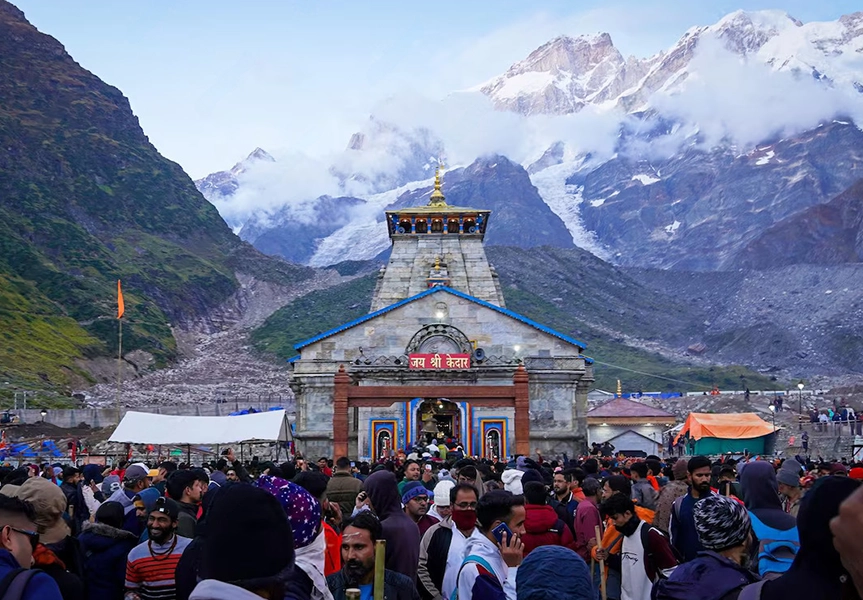
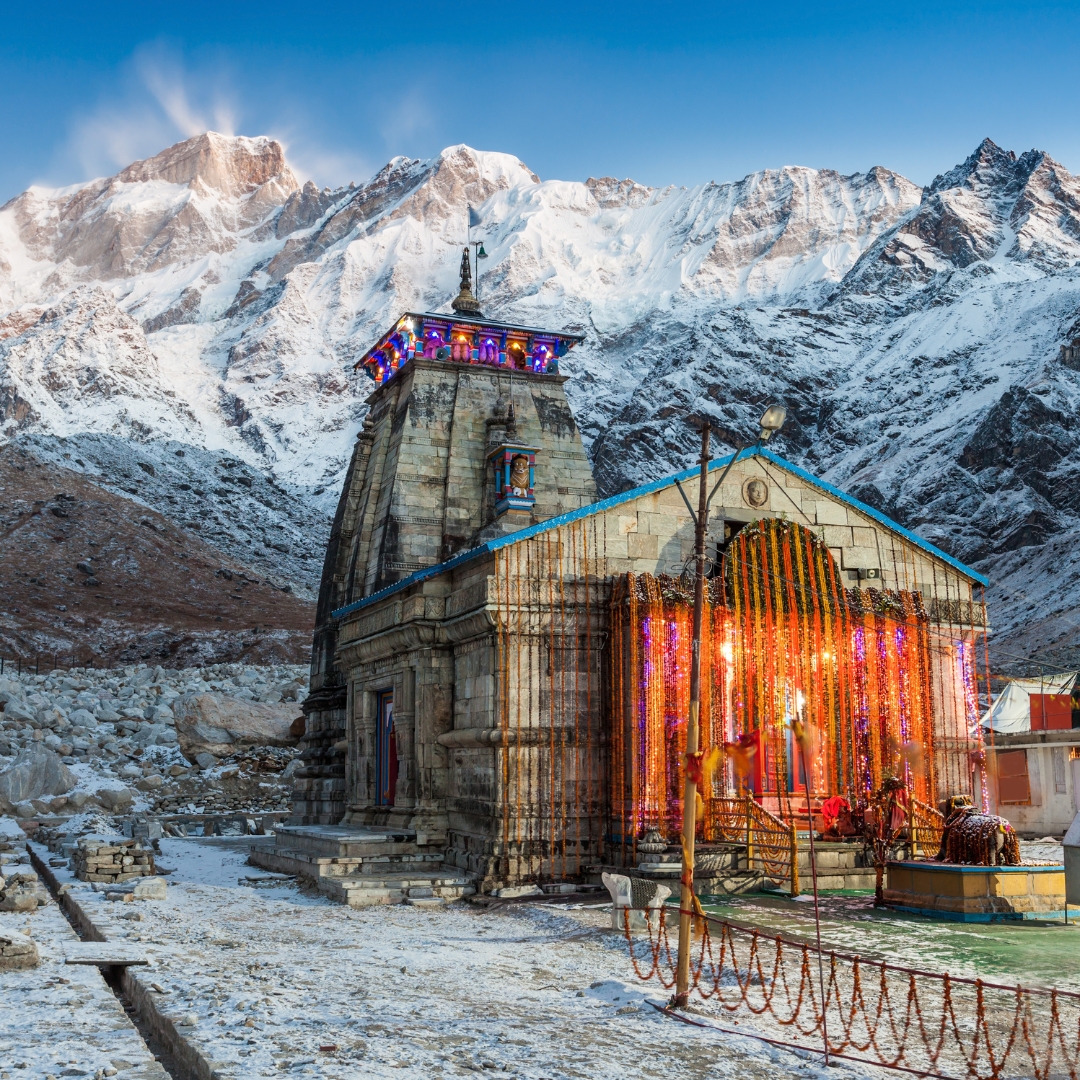
Kedarnath Trek & Diabetes – Ground Reality & Safety Options
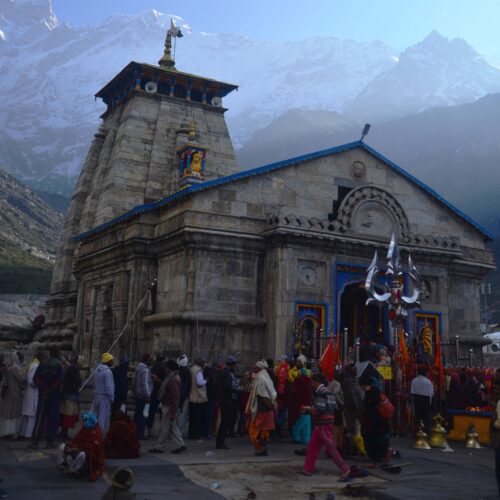
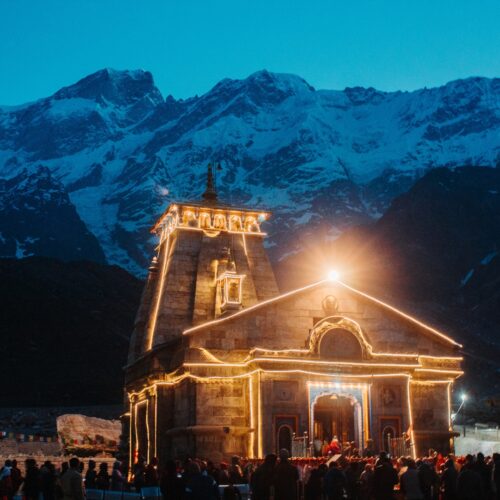
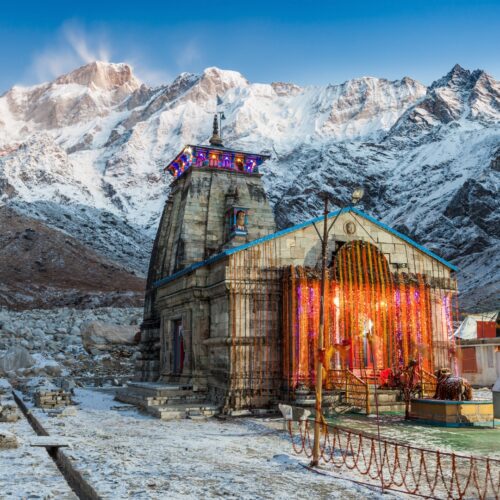
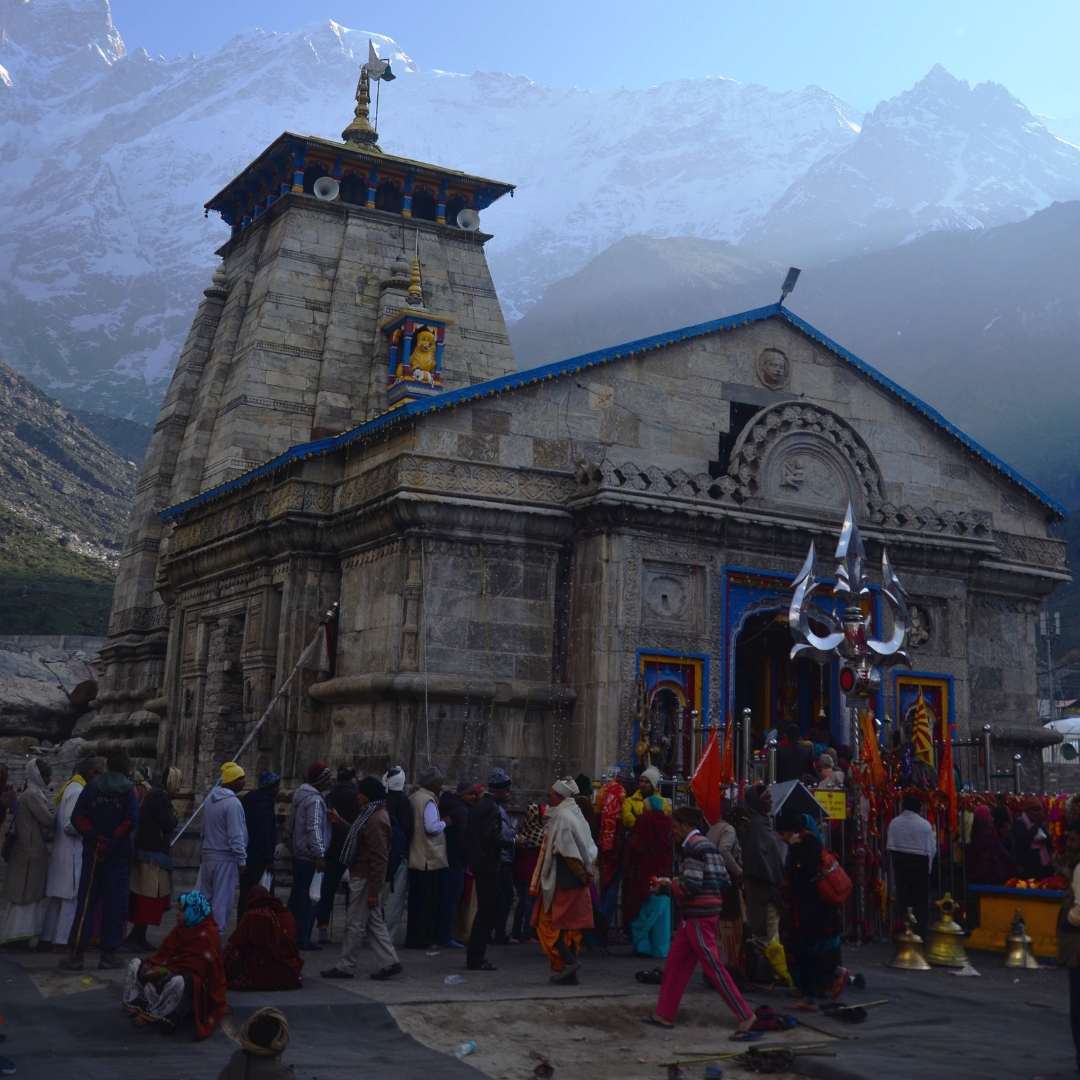
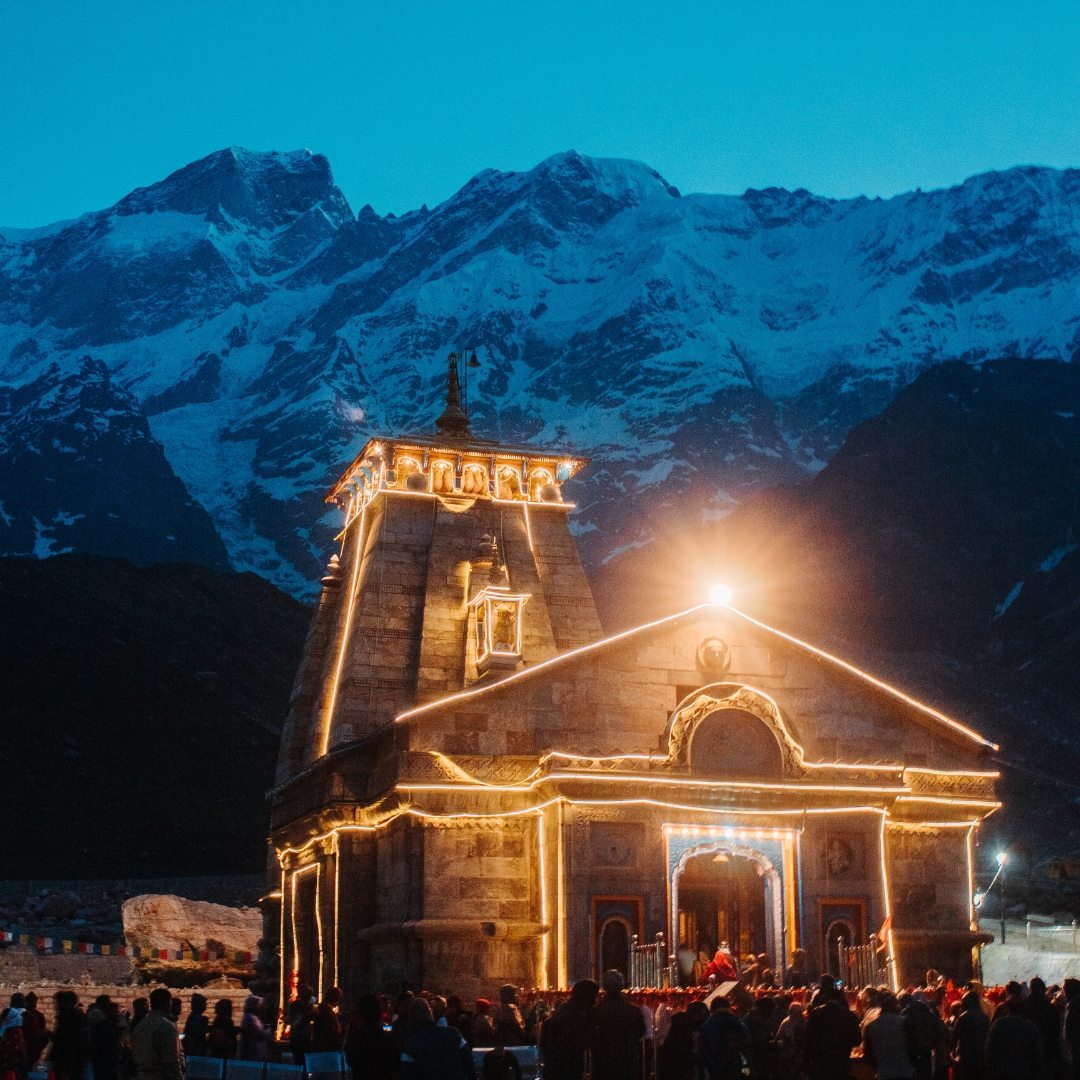
Kedarnath is the most physically demanding leg of the Chardham Yatra.
The trek is approximately 16 km one-way from Gaurikund, with steep ascents, cold weather, and unpredictable crowds.
For diabetic pilgrims, this section of the yatra requires realistic self-assessment, not emotional overconfidence.
Physical Strain of the Kedarnath Trek
The trek includes:
Continuous uphill walking
Thin mountain air
Cold temperatures
Sudden fatigue
This combination can cause sugar fluctuations, breathlessness, and muscle exhaustion.
Pony, Doli & Helicopter – What to Know
Alternative support options exist:
Pony: Reduces walking but still requires stamina to sit for hours
Doli: More comfortable for those with mobility issues
Helicopter: Fastest option but limited availability, weather-dependent, and never guaranteed
These are support options, not medical solutions.
Even with assistance, altitude impact remains.
When to Stop Immediately
Do not push through symptoms like:
Sudden dizziness
Blurred vision
Heavy sweating
Chest discomfort
Confusion or shaking
These are warning signs.
The mountain will still be there tomorrow — your health might not be.
Why Rest & Pacing Matter
Slow, steady movement reduces:
Sugar crashes
Breathlessness
Muscle fatigue
Plan frequent breaks, sit whenever needed, and don’t race the crowd.
Completing Kedarnath darshan safely is far more important than completing it fast.
Medical Support on Kedarnath Route – What Diabetic Pilgrims Should Know
This is one of the most misunderstood parts of the Kedarnath Yatra. Many pilgrims assume there is no medical help in the mountains. The reality is far more reassuring — if you know where support exists and how to use it wisely.
Government Medical Camps Every 2–3 km
Along the Kedarnath trekking route, government medical camps are set up approximately every 2–3 kilometers during yatra season.
These camps provide:
Basic health checkups
Blood pressure monitoring
Oxygen support
First-aid services
You can stop, rest, and request basic medical help at these points — they are not only for emergencies.
Free First-Aid & Oxygen Support
Pilgrims experiencing:
Breathlessness
Fatigue
Dizziness
Altitude discomfort
can receive free oxygen support and first aid at these camps.
For diabetic patients, this is crucial because oxygen deficiency can worsen fatigue and sugar instability.
Sonprayag & Gaurikund Medical Facilities
Both Sonprayag and Gaurikund — the main base points for Kedarnath — have government medical facilities and doctors available during yatra season.
These are the best places to:
Get checked before starting the trek
Pause the journey if symptoms appear
Adjust your plan safely
Medical Services Near Kedarnath
Near Kedarnath temple, temporary medical facilities operate during the pilgrimage season with:
Doctors
Basic medicines
First aid
This provides reassurance for pilgrims staying overnight near the shrine.
Emergency Helicopter Evacuation
In serious medical situations, government emergency helicopter evacuation services operate (subject to weather conditions and availability).
This is reserved for:
Severe health deterioration
Altitude sickness complications
Cardiac or breathing emergencies
This service exists — but it should never be relied upon casually. Prevention is always safer than evacuation.
Inform Guides & Drivers Early
Always tell:
Your driver
Your trek guide
Your tour coordinator
about your diabetic condition before the journey begins.
This ensures:
Slower pacing
Timely food breaks
Early response if symptoms appear
Silence about health issues delays help when time matters most.

Common Health Mistakes Diabetic Pilgrims Make During Char Dham
Many health problems during Char Dham Yatra don’t happen because the mountains are dangerous — they happen because pilgrims unknowingly make small mistakes that become big problems at altitude. Being aware of these common errors can help diabetic travelers complete the yatra safely and comfortably.
Skipping Meals Due to Travel Delays or Darshan Lines
Long road journeys, temple queues, and unpredictable schedules often cause people to delay meals. For diabetic pilgrims, skipping meals can trigger sudden sugar drops, weakness, dizziness, and fatigue — especially in cold weather.
Fix: Carry small snacks and eat light portions regularly, even if meal timing changes.
Not Checking Sugar Levels During the Journey
Some pilgrims stop monitoring sugar levels because they feel “fine.” At high altitude, symptoms can appear suddenly. Without regular checks, sugar fluctuations go unnoticed until weakness or disorientation starts.
Fix: Check sugar at least twice daily, and more often on trekking days or long drives.
Overexertion to Match the Group’s Pace
Trying to walk fast with younger or fitter group members often leads to exhaustion. Overexertion increases dehydration, lowers energy, and destabilizes sugar levels.
Fix: Walk at your own pace. The mountain rewards consistency, not speed.
Booking Rushed Itineraries
Tightly packed itineraries with long daily travel hours leave little time for rest, meals, and sugar monitoring. This increases physical strain and health risk.
Fix: Choose travel plans that allow realistic daily distances, rest days, and gradual altitude gain.
Ignoring Early Warning Signs
Mild dizziness, fatigue, unusual sweating, or blurred vision are often brushed aside as “normal mountain tiredness.” These can be early signs of sugar imbalance or altitude stress.
Fix: Stop early, rest, hydrate, and check sugar levels at the first sign of discomfort.
Small adjustments prevent big emergencies.
Why Health-Friendly Itinerary Design Matters More Than Package Price
When planning Char Dham Yatra, many families compare packages mainly by price or number of destinations covered. For diabetic pilgrims, however, how the journey is paced and supported matters far more than how quickly the route is completed.
Fast travel schedules may look attractive on paper, but in the mountains they often mean:
Longer driving days
Fewer rest breaks
Irregular meals
Limited recovery time
Higher fatigue and sugar fluctuation risk
For pilgrims managing diabetes, safety comes from thoughtful route pacing, dependable stays, and local coordination rather than fast-tracked travel — which is why many families evaluate these health-conscious Chardham journey plans created around realistic mountain travel before confirming their pilgrimage.
This approach reduces medical risk while still allowing pilgrims to complete darshan with peace of mind and physical stability.
When Diabetic Patients Should Avoid Chardham Yatra
Char Dham Yatra is meaningful, but it is not suitable for everyone at every stage of health. Knowing when to postpone the journey is a sign of wisdom, not weakness.
Poor Sugar Control
If blood sugar levels are frequently unstable or HbA1c is high, the stress of high altitude, cold weather, and long travel can worsen control and increase complications.
Recent Surgery or Major Illness
Recent medical procedures weaken recovery capacity. The physical demands of the yatra can delay healing and increase risk.
Severe Neuropathy or Balance Issues
Loss of sensation in feet or poor balance increases fall risk on uneven mountain paths and during the Kedarnath trek.
Doctor’s Advice to Avoid High Altitude
If your physician advises against altitude exposure due to breathing, cardiac, or circulatory concerns, Char Dham should be postponed.
High-Risk Cardiac History
History of heart attacks, severe hypertension, or breathing disorders combined with diabetes significantly increases risk at high altitude.
The Char Dham Yatra will always be there. Your health should come first.
How Local Support & Route Knowledge Reduce Medical Risk
Mountain regions are not like cities. Pharmacies, hospitals, and network coverage are limited in many Char Dham route areas. This is where local knowledge becomes a safety tool, not just a convenience.
Remote Regions & Limited Medical Access
Some stretches have:
No medical shops
Poor mobile signal
Long gaps between towns
Local coordinators know where:
Medical camps operate
Emergency help is reachable
Safe halts exist for rest
Network Issues & Emergency Communication
Mobile networks drop in mountain valleys. Local drivers and coordinators often rely on offline contacts and known support points rather than online maps or signals.
Safer Overnight Halts
Locals plan halts in places with:
Medical facilities
Reliable electricity
Cleaner stays
Easier access to help
On-Ground Coordination Matters
If health deteriorates:
Locals know alternative routes
Nearest medical support
Where to pause the journey safely
Local route knowledge quietly prevents problems before they become emergencies.
Final Advice from Uttarakhand Travel Experts for Diabetic Pilgrims
From years of on-ground experience, here is what truly helps diabetic pilgrims complete Char Dham Yatra safely:
Travel slower than you think you need to
Add buffer rest days whenever possible
Never ignore early fatigue or dizziness
Hydrate even when not thirsty
Carry emergency contacts + medical details
Inform your driver and guide about your condition
Choose routes planned around terrain realities, not just distance
The Himalayas reward patience, preparation, and respect for your body. When health is protected, the spiritual experience becomes peaceful and fulfilling.
Frequently asked questions
Is Char Dham Yatra safe for diabetic patients?
Yes, many diabetic pilgrims complete Char Dham Yatra safely with medical clearance, proper preparation, regular sugar monitoring, and health-friendly travel planning.
Are medical camps available on Kedarnath route?
Yes, government medical camps operate approximately every 2–3 km on the Kedarnath route during yatra season, offering first aid, oxygen support, and basic health checks.
Can insulin be stored safely during yatra?
Yes, insulin can be stored safely using insulated cold pouches. Avoid freezing temperatures and prolonged heat exposure.
Is helicopter safer for diabetic pilgrims?
Helicopter travel reduces physical strain but is weather-dependent and not guaranteed. It does not remove altitude-related health risks.
What food is suitable for diabetics during Char Dham?
Simple meals with controlled portions, less oil, roti instead of puri, dal, vegetables, nuts, and dry snacks are safer options.
Can senior citizens with diabetes do Char Dham Yatra?
Yes, with doctor’s approval, slower itineraries, medical preparedness, and proper support arrangements. Families traveling with elderly diabetic members often benefit from slower routes, shorter driving days, and pre-planned medical halts — experiences that are well reflected in this family-focused Chardham journey from Haridwar shared by real pilgrims.
What to do in case of medical emergency at Kedarnath?
Approach the nearest government medical camp for first aid and oxygen. In serious cases, emergency evacuation services operate subject to weather and availability.

Travel Specialist – Domestic India Tours
I am a travel specialist with expertise in crafting memorable journeys across India. From the Himalayas to Kerala’s backwaters, I design customized itineraries for trekking, camping, cultural tours, and family vacations. Passionate about creating seamless travel experiences, I help travelers discover the best of India with comfort and adventure.