
Introduction: Why Most Travelers Choose the Wrong Region
Every year, millions of travelers visit Uttarakhand — yet a surprising number return feeling they chose the “wrong” part of the state.
Not because Uttarakhand disappointed them.
But because they didn’t understand it.
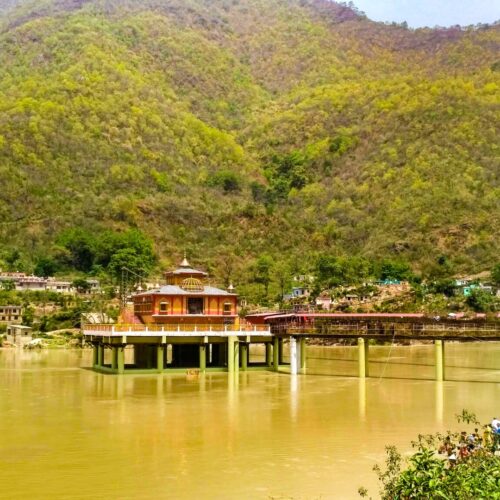
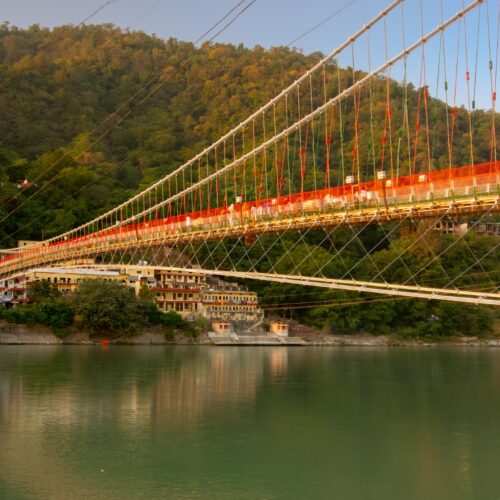
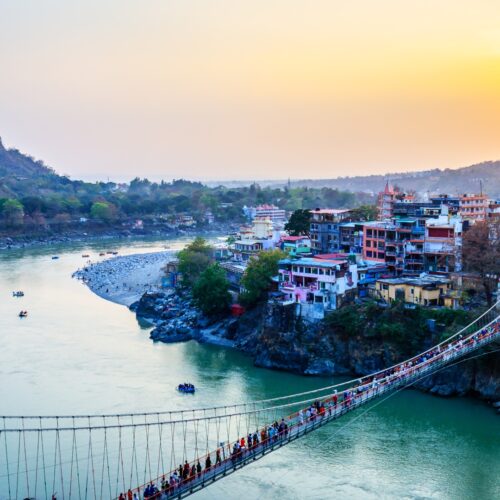
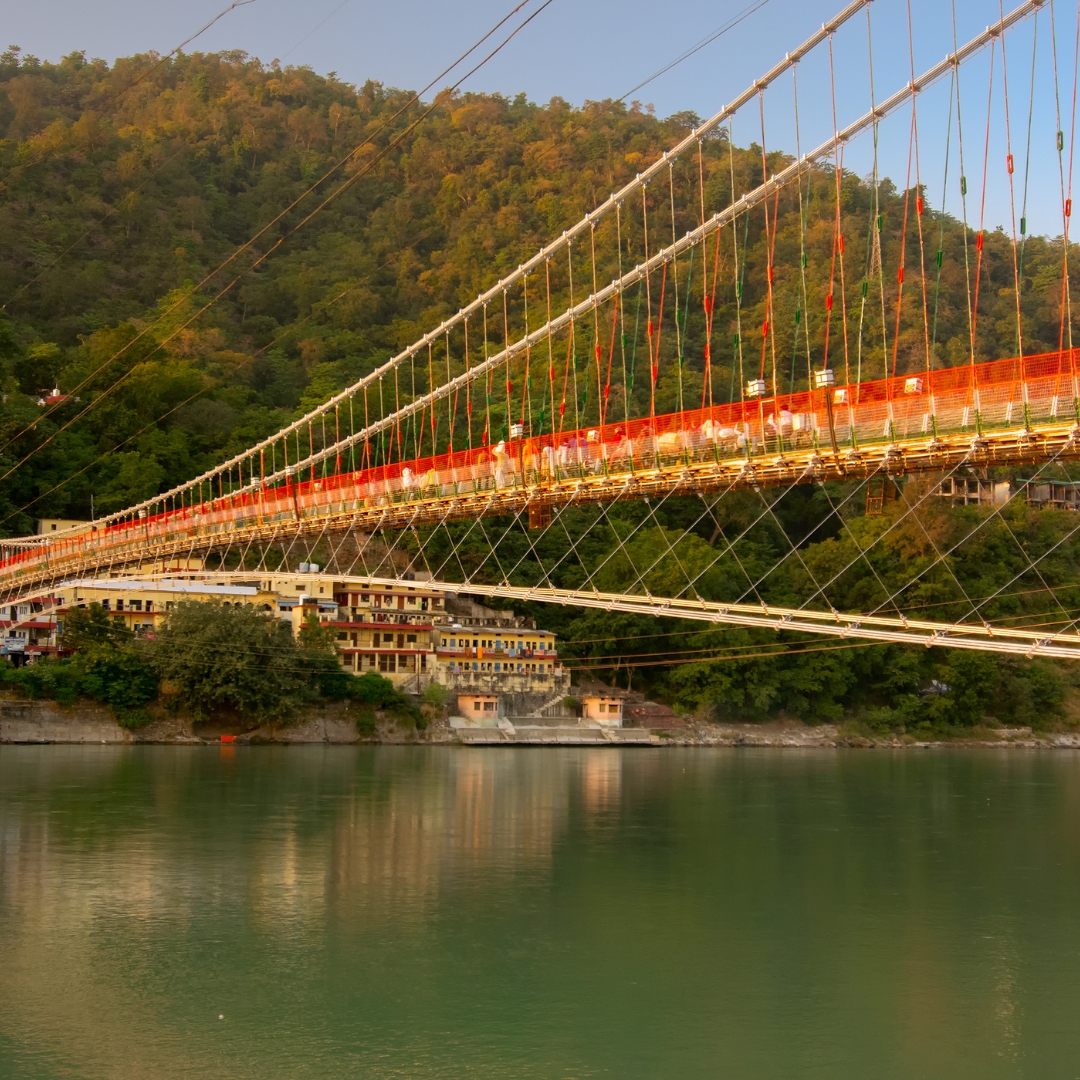
Some pick destinations based on trending reels from Rishikesh.
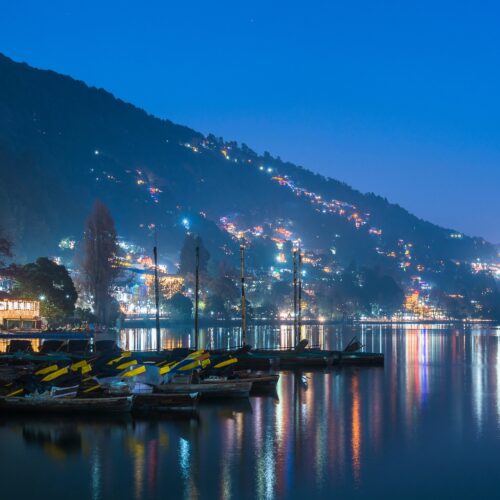
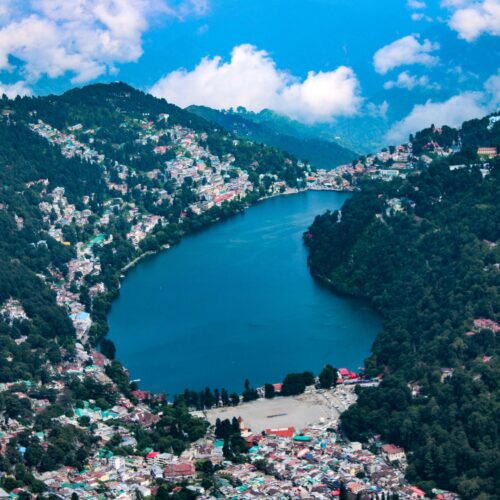
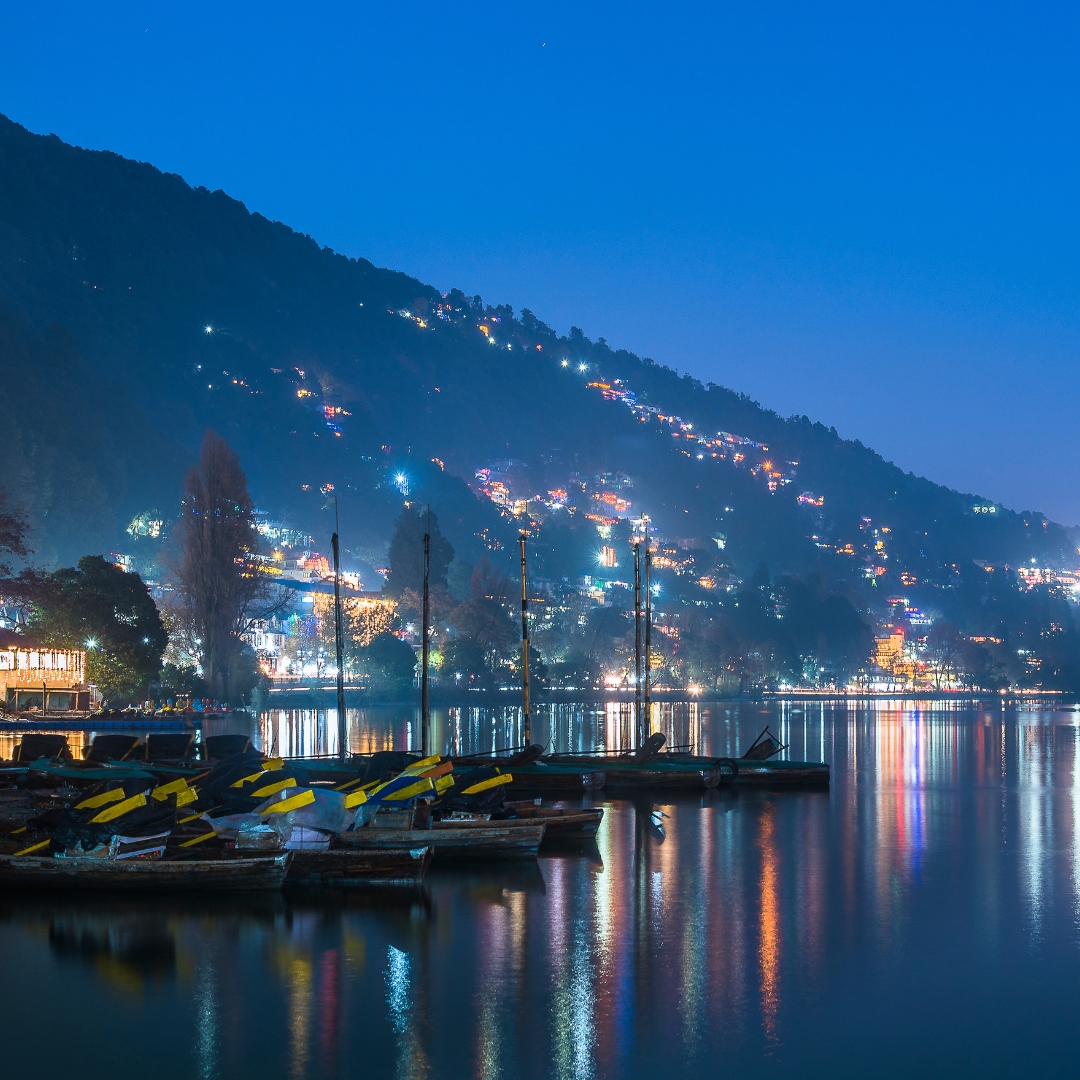
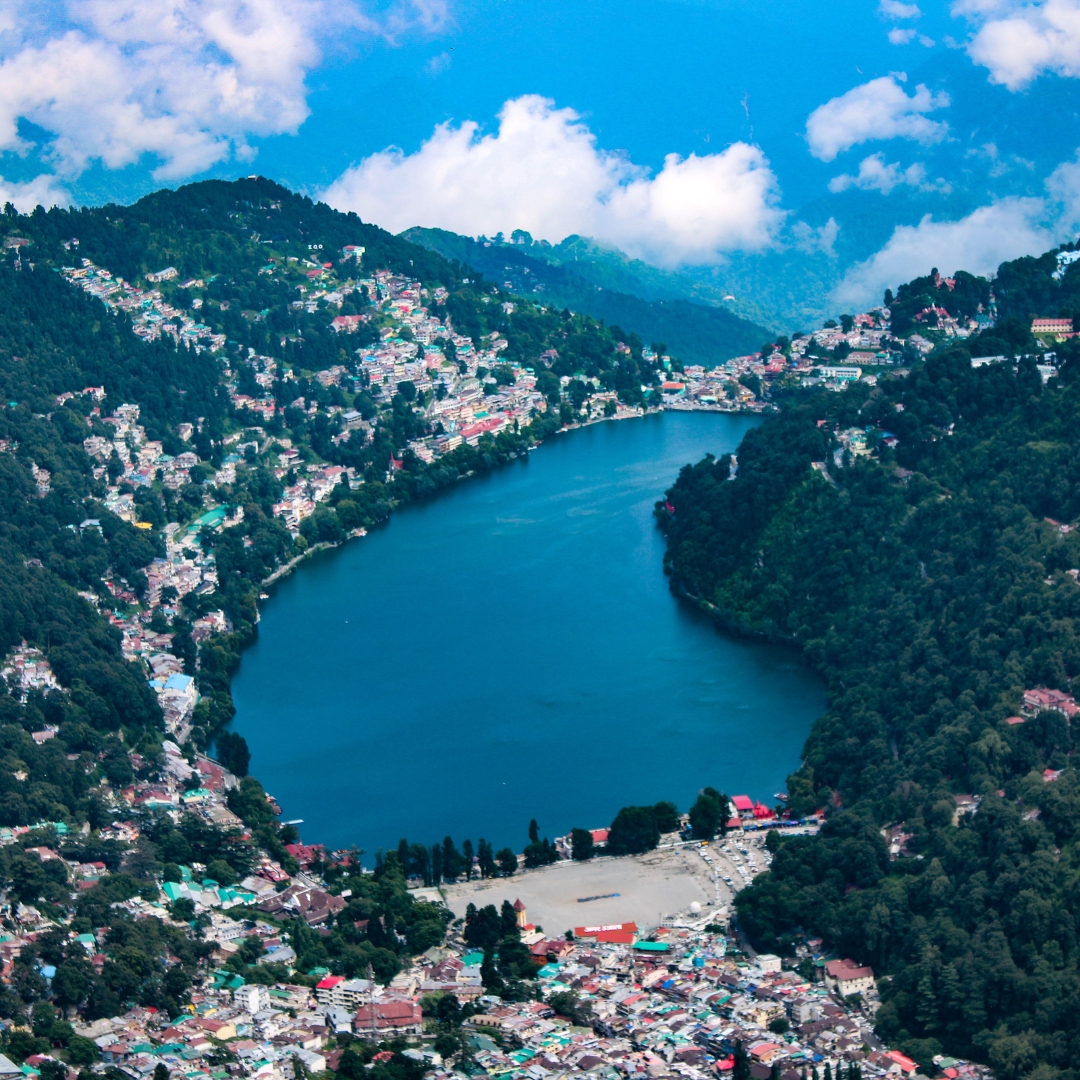
Others see dreamy lake photos of Nainital and assume that represents the entire state.
Many simply search “best places in Uttarakhand” and follow the first list they find.
What most travelers don’t realize is this:
Uttarakhand has two very distinct personalities — Garhwal and Kumaon.
Choosing randomly between them can lead to:
A spiritual pilgrim ending up in a leisure hill station
A honeymoon couple landing in peak pilgrimage crowds
A relaxed family trip turning into long, steep mountain drives
An adventure seeker choosing the wrong terrain
This guide is designed differently.
Not based on popularity.
Not based on trends.
But based on your travel personality.
By the end of this comparison, you won’t just know the difference between Garhwal and Kumaon — you’ll know which one truly matches your style of travel in 2026.
Understanding Uttarakhand’s Two Faces
Uttarakhand is officially divided into two main geographical and cultural regions:
Garhwal Division (Western Uttarakhand)
Kumaon Division (Eastern Uttarakhand)
Both are Himalayan.
Both are beautiful.
But they feel completely different.
Geographic Orientation
Garhwal lies toward the western side of Uttarakhand, bordering Himachal Pradesh.
Kumaon lies in the eastern part, closer to Nepal.
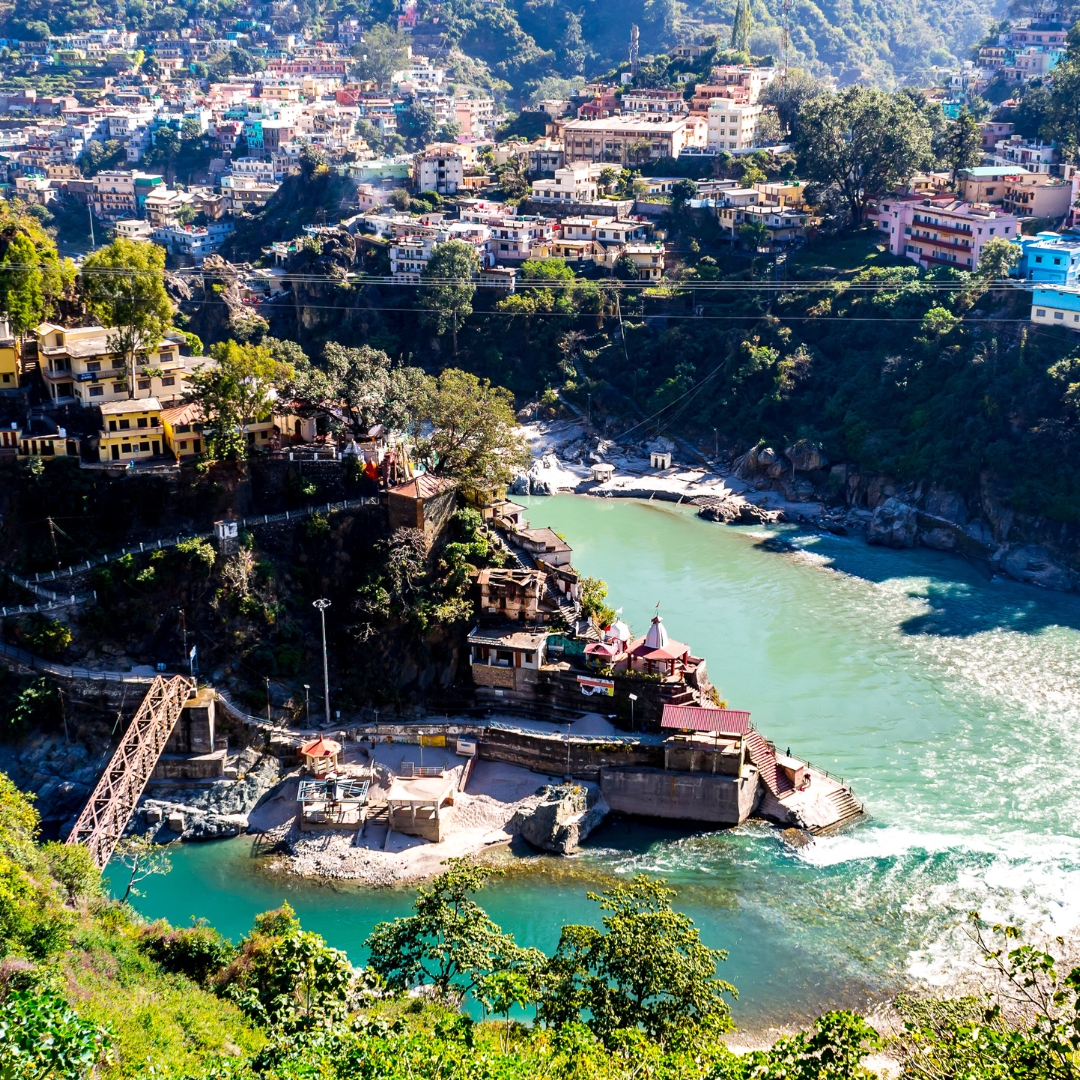
Garhwal includes districts like Dehradun, Tehri, Rudraprayag, Chamoli and Uttarkashi.
Kumaon includes Nainital, Almora, Bageshwar, Pithoragarh and Champawat.
📊 Garhwal vs Kumaon – Quick Comparison
| Factor | Garhwal Region | Kumaon Region |
|---|---|---|
| Location | Western Uttarakhand | Eastern Uttarakhand |
| Major Cities | Dehradun, Rishikesh, Haridwar | Nainital, Almora, Pithoragarh |
| Travel Vibe | Spiritual, dramatic, high-altitude | Peaceful, scenic, lake & forest charm |
| Terrain | Higher Himalayan altitude zones | Rolling hills & mid-altitude ranges |
| Best For | Pilgrimage, snow peaks, alpine treks | Relaxation, lakes, wildlife, easy holidays |
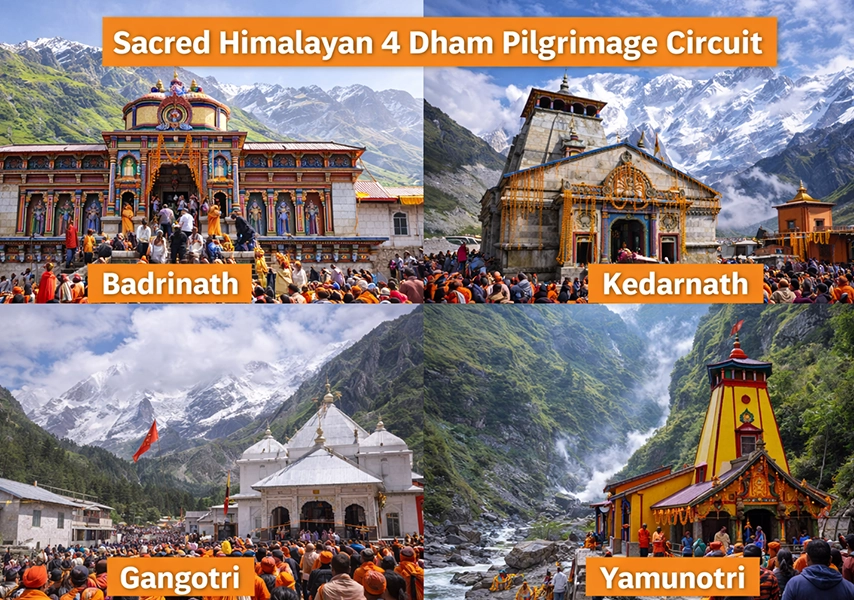
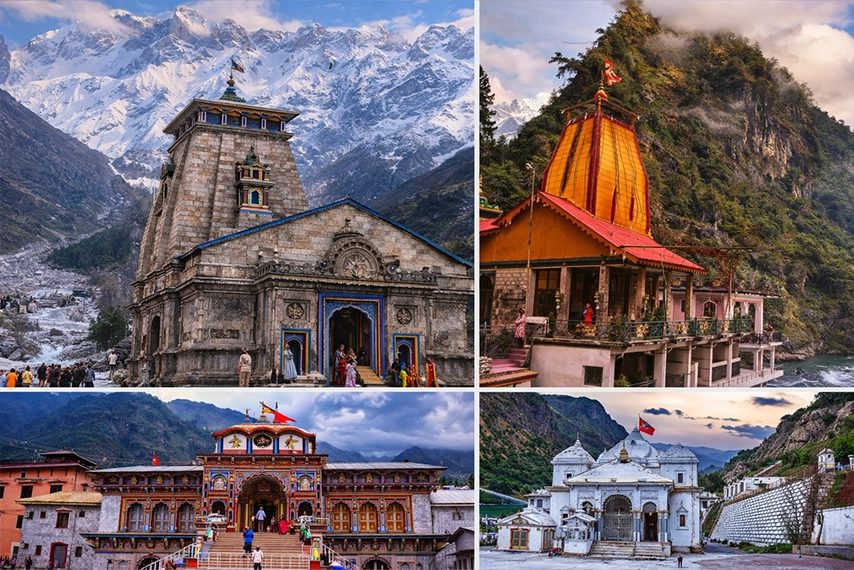
Garhwal is home to the sacred Himalayan pilgrimage circuit including:
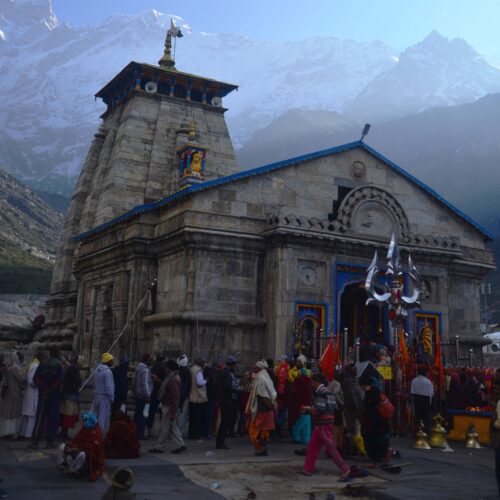
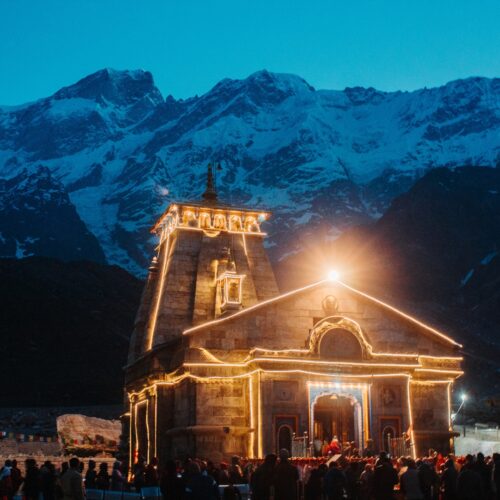
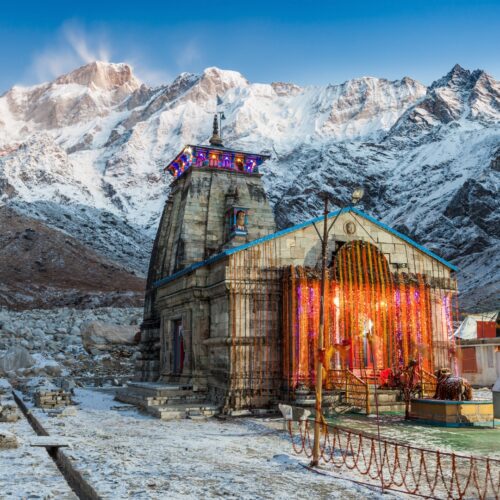
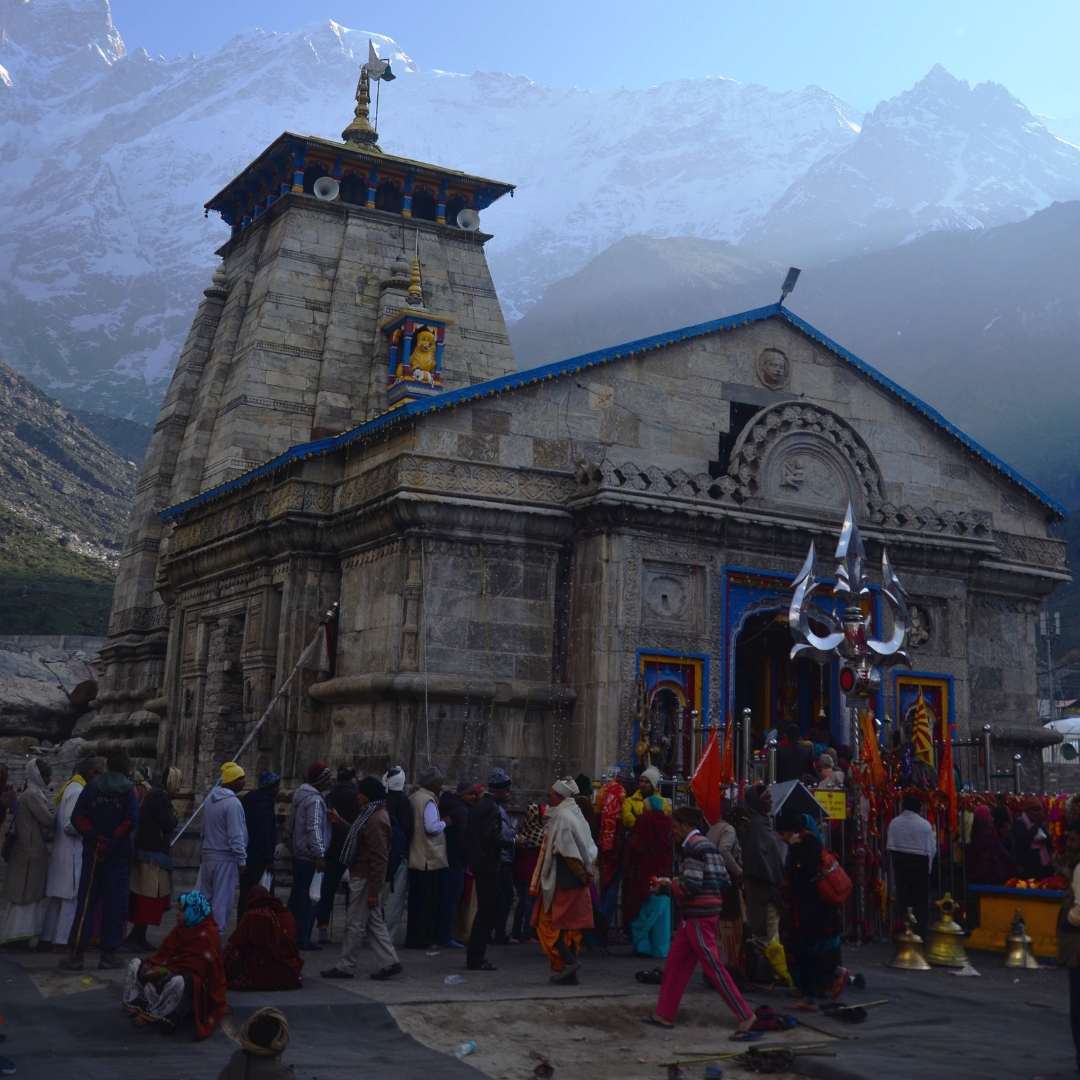
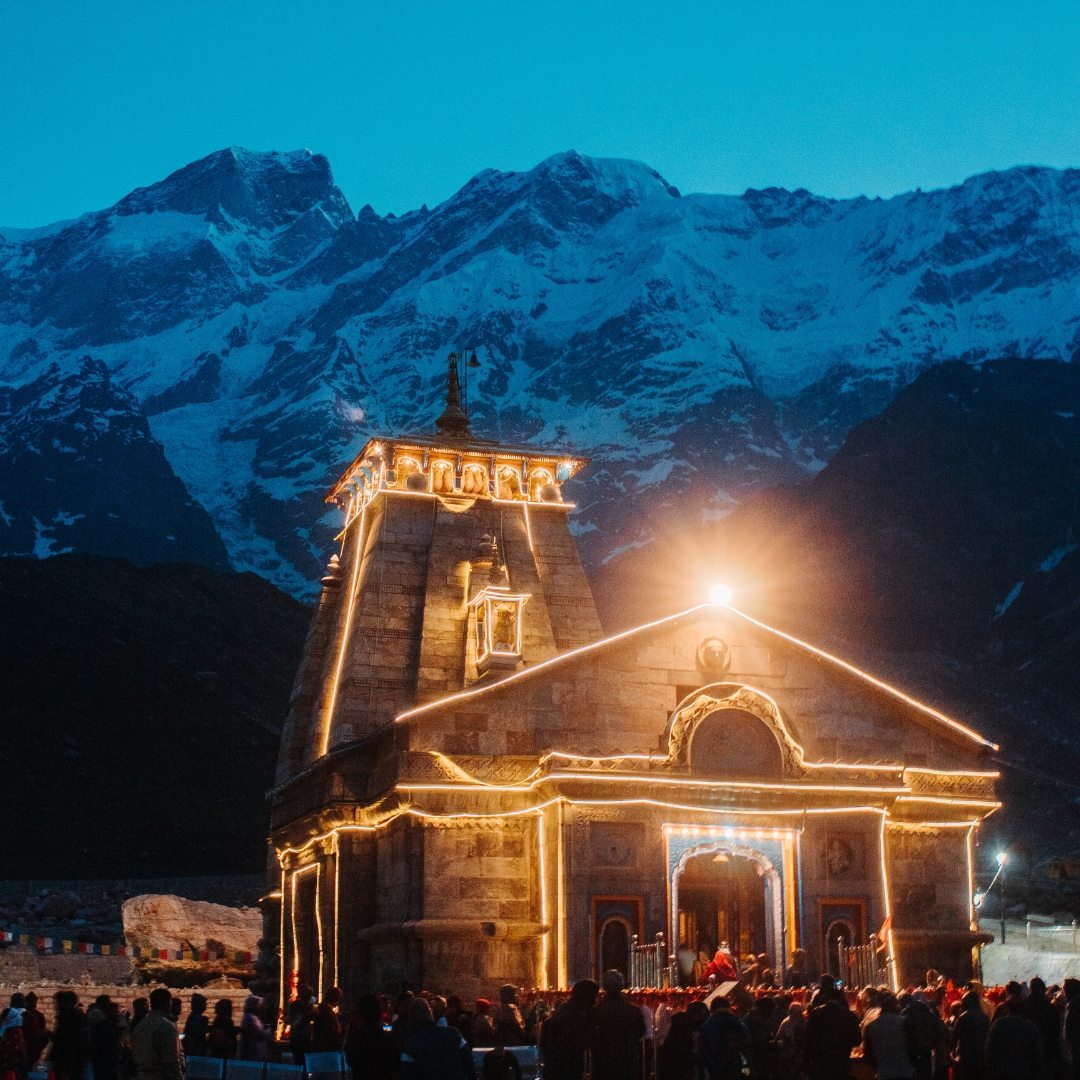
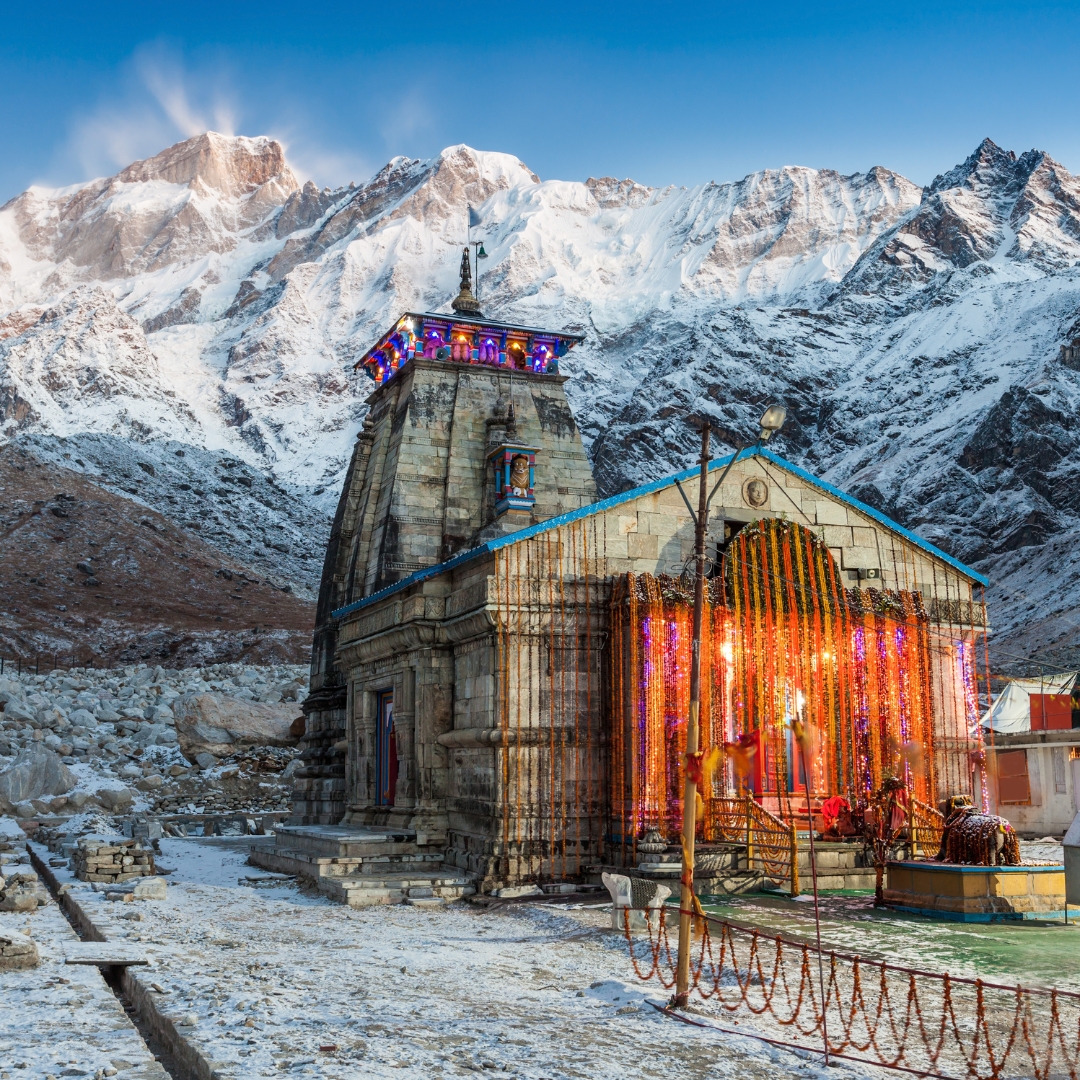
Kedarnath Temple
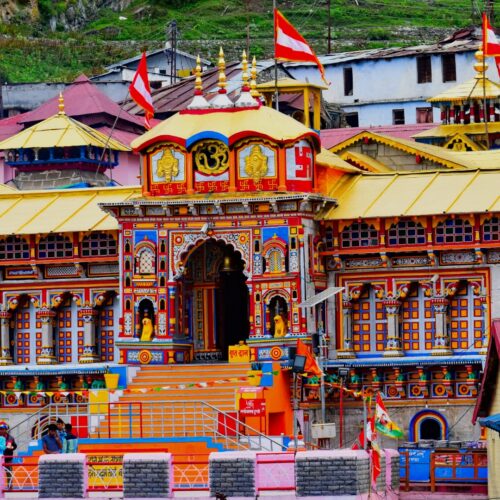
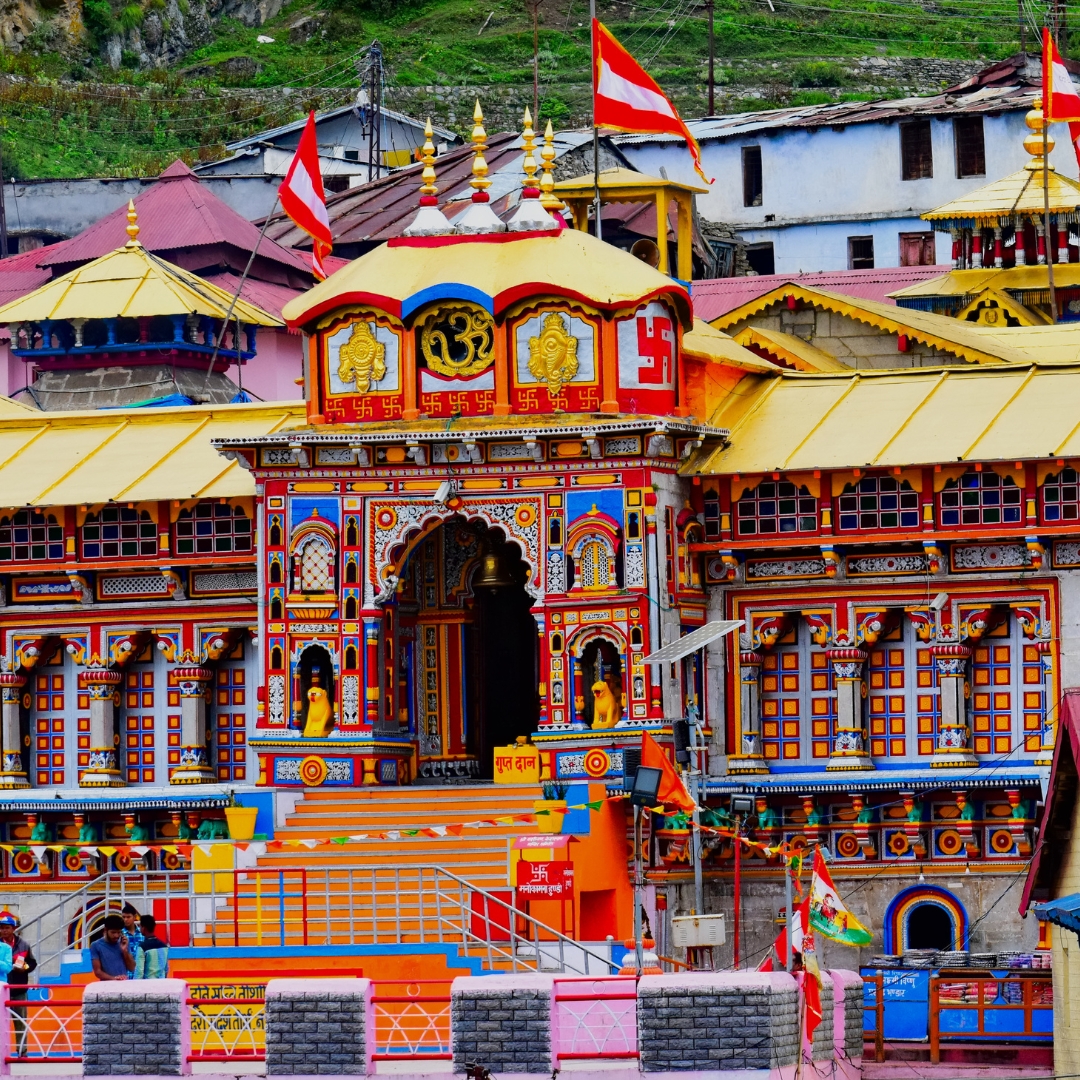
Badrinath Temple
Gangotri Temple
Yamunotri Temple
Kumaon, on the other hand, is known for:
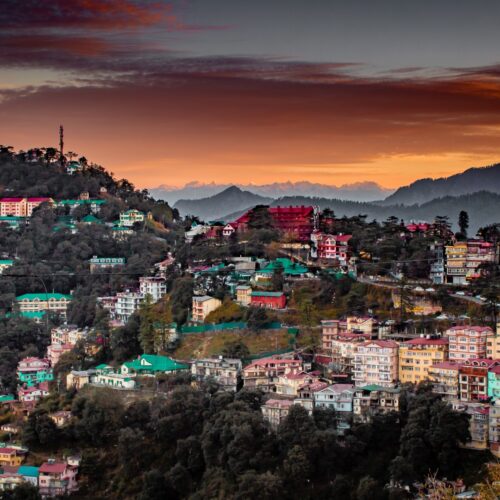
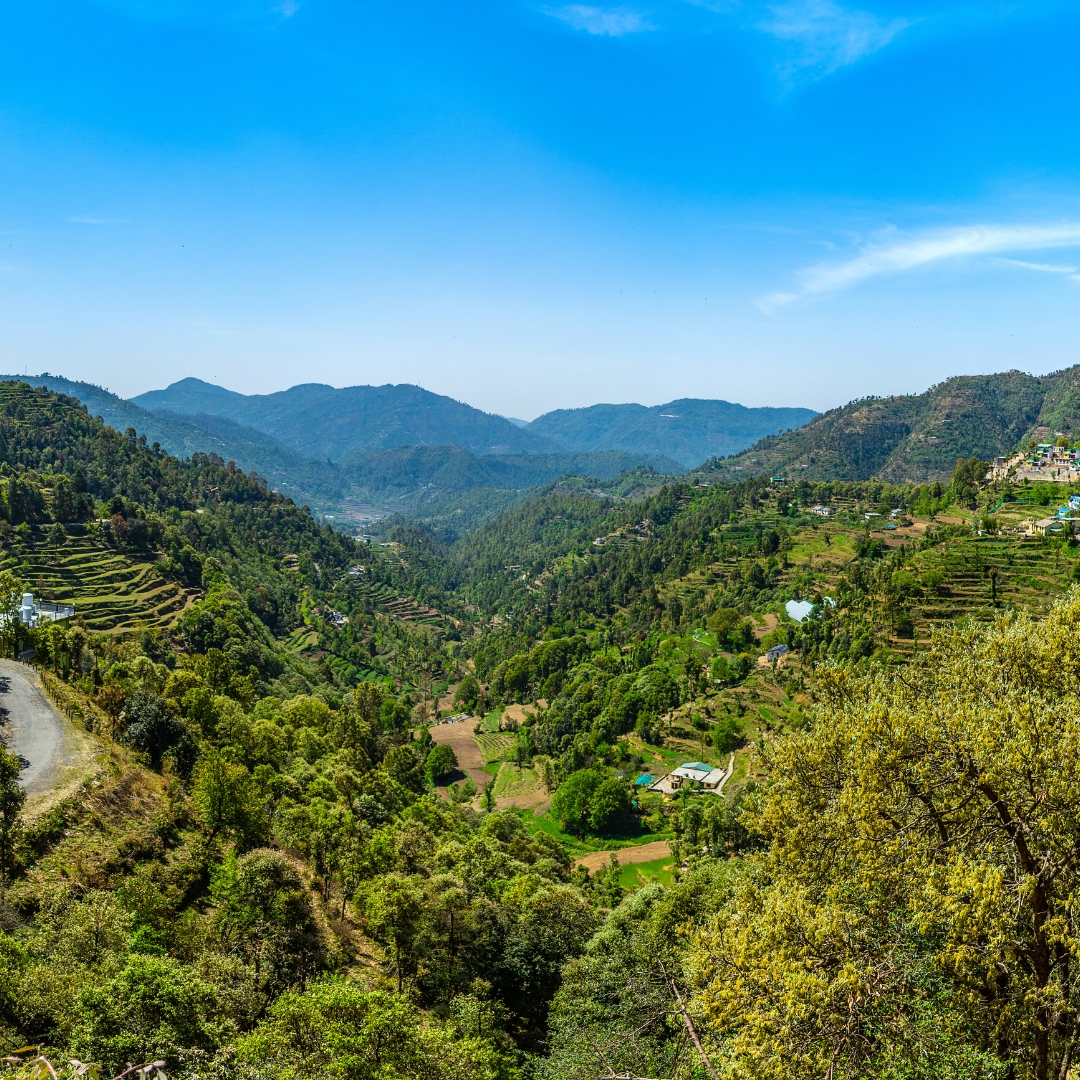
Lake districts like Nainital
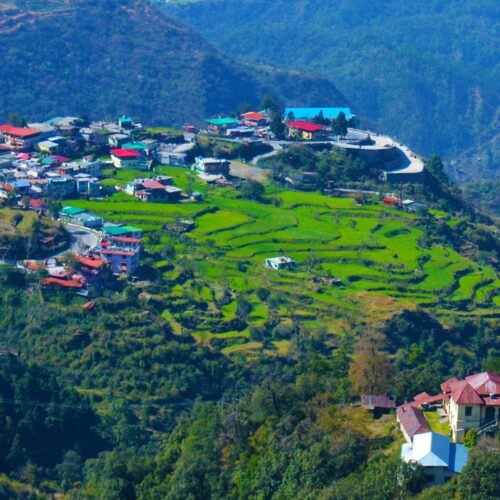
Quiet hill towns like Ranikhet
Himalayan viewpoints from Kausani
Now let’s go deeper.
What Type of Traveler Are You?
This is where the decision becomes clear.
The Spiritual Seeker
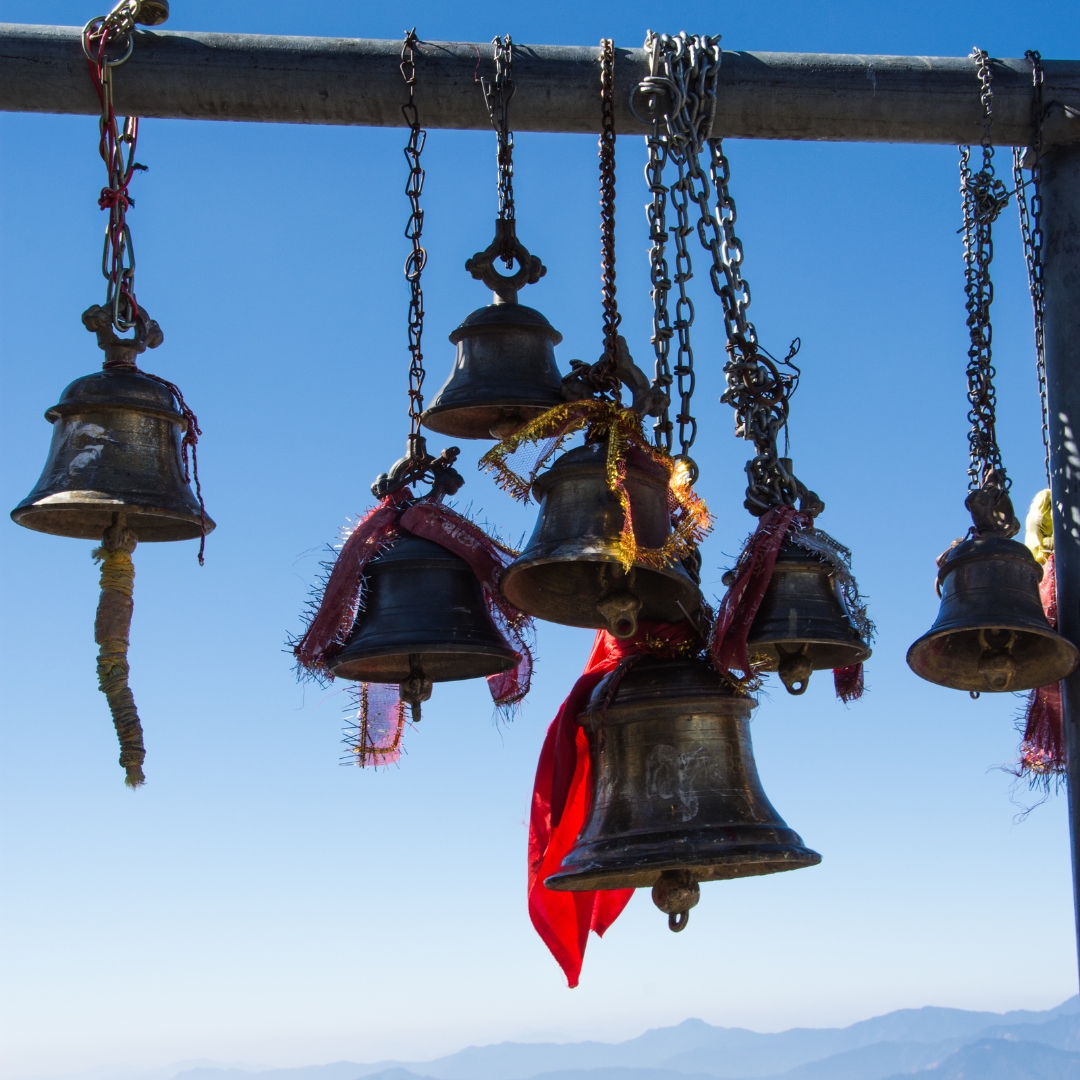
If your trip is centered around devotion, sacred temples, Himalayan aarti experiences, and ancient mythology — Garhwal dominates.
Garhwal hosts the Char Dham circuit and some of India’s most spiritually significant sites, including:
Kedarnath Temple
Badrinath Temple
Haridwar
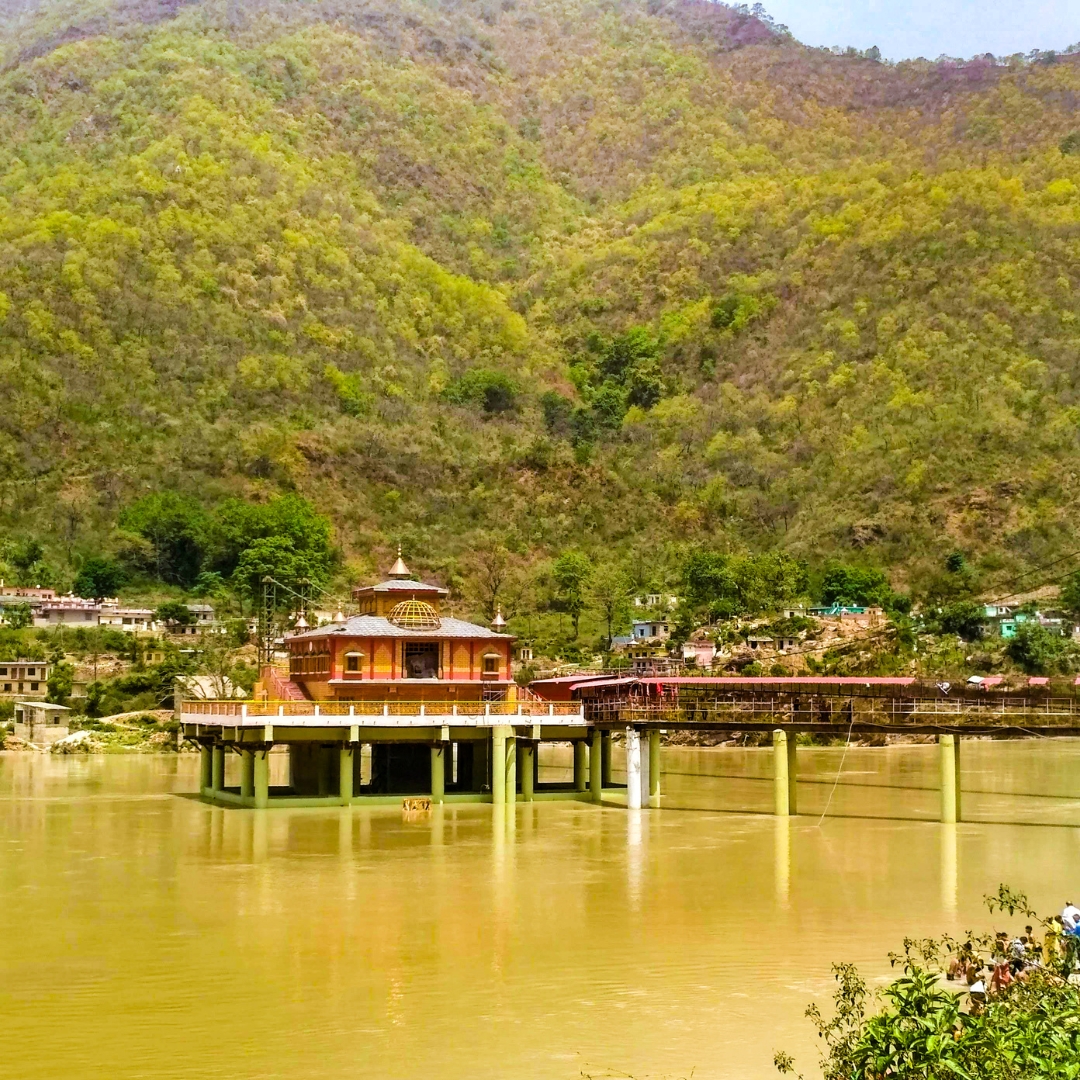
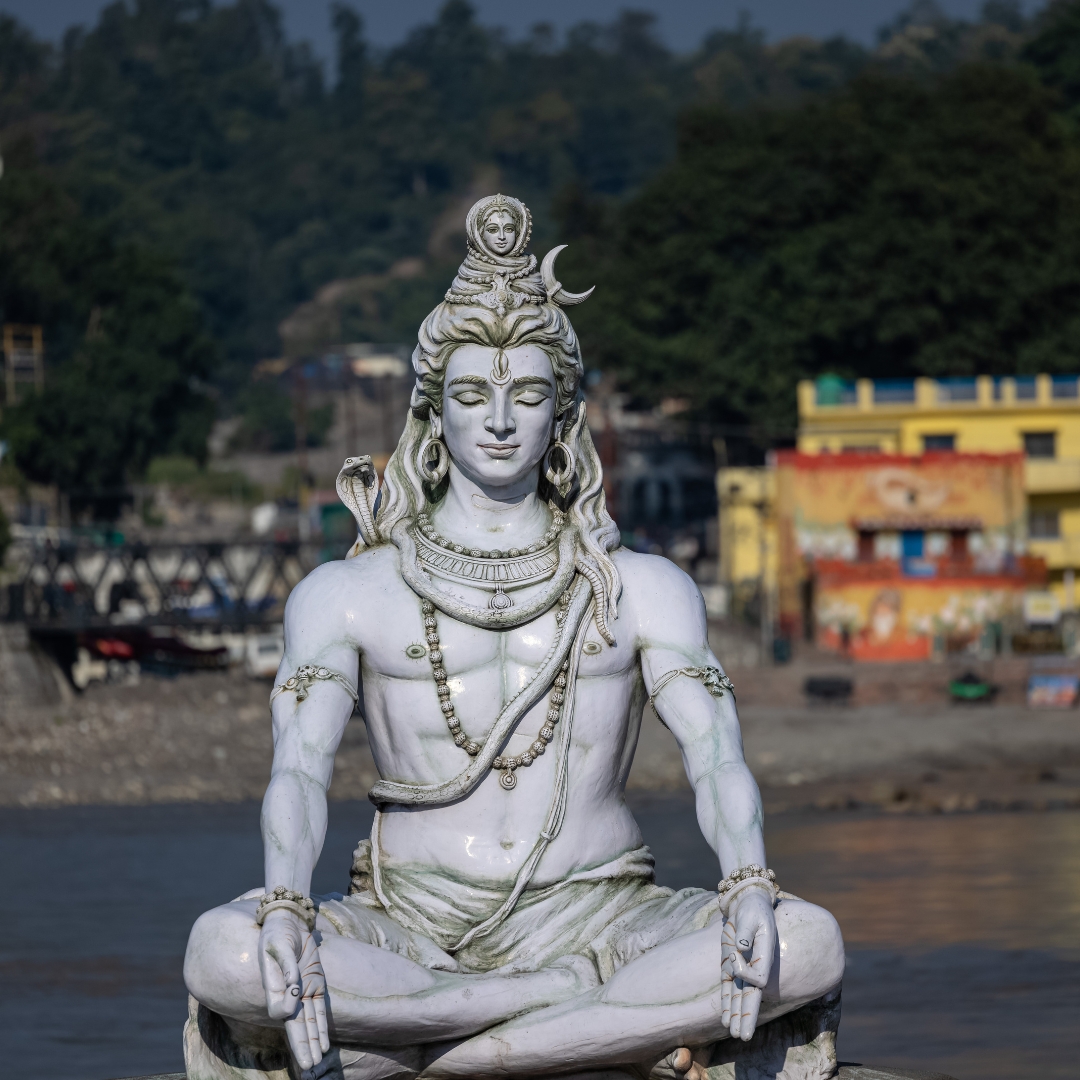
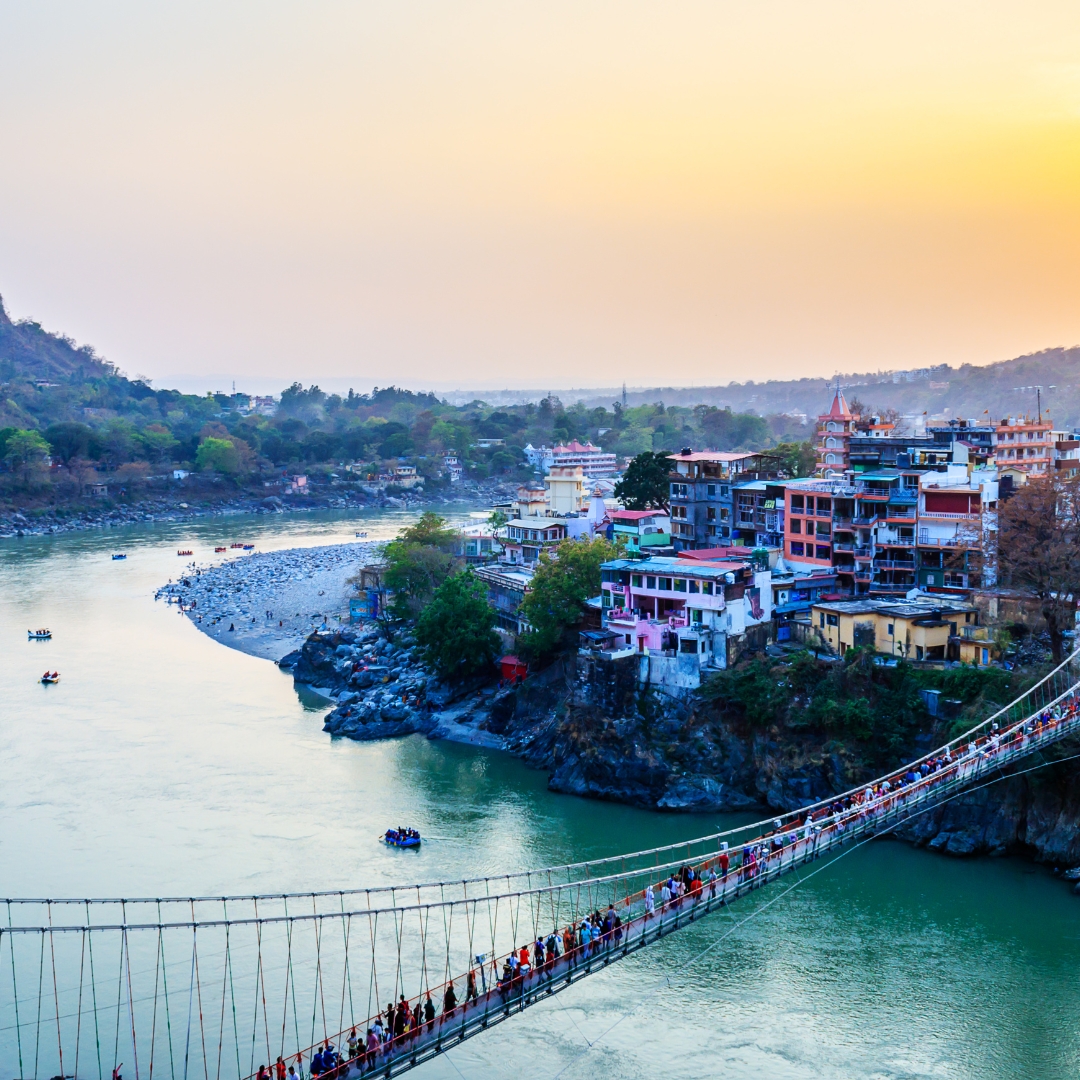
Rishikesh
The Garhwal Himalayas carry a powerful religious atmosphere — especially during the Chardham Yatra season (typically May to October depending on temple openings).
Travel here involves:
Higher altitudes
Structured pilgrimage routes
Long scenic mountain drives
Temple-based itinerary flow
For travelers planning the sacred Himalayan 4 Dham pilgrimage circuit covering Yamunotri, Gangotri, Kedarnath and Badrinath, a properly structured Chardham yatra package becomes essential for comfort and safety.
Garhwal is not just sightseeing — it is devotion + dramatic Himalayan scale.
If spirituality is your primary motivation, Garhwal is your natural choice.
The Scenic Relaxation Lover
If your idea of Uttarakhand includes:
Lakeside walks
Colonial hill architecture
Relaxed café culture
Moderate altitude comfort
Easy-paced holidays
Then Kumaon feels more suitable.
Destinations like:
Nainital
Ranikhet
Kausani
offer softer Himalayan experiences.
Kumaon’s altitude is generally lower compared to upper Garhwal temple zones.
Road access is comparatively smoother.
Resort-style accommodations are more common.
Kumaon is ideal for:
Families
Couples
First-time Uttarakhand visitors
Weekend hill getaways
It feels less intense — more leisurely.
The Trekking & Adventure Enthusiast
Both regions offer trekking — but terrain differs.
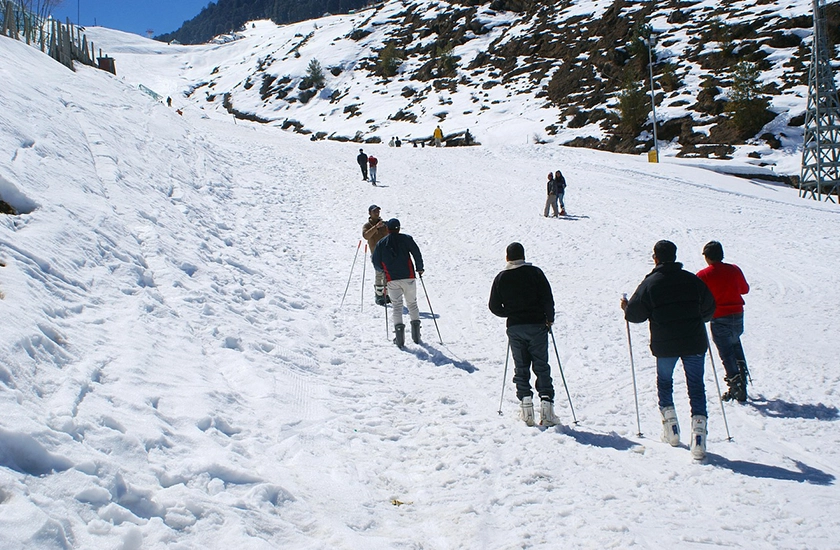
In Garhwal:
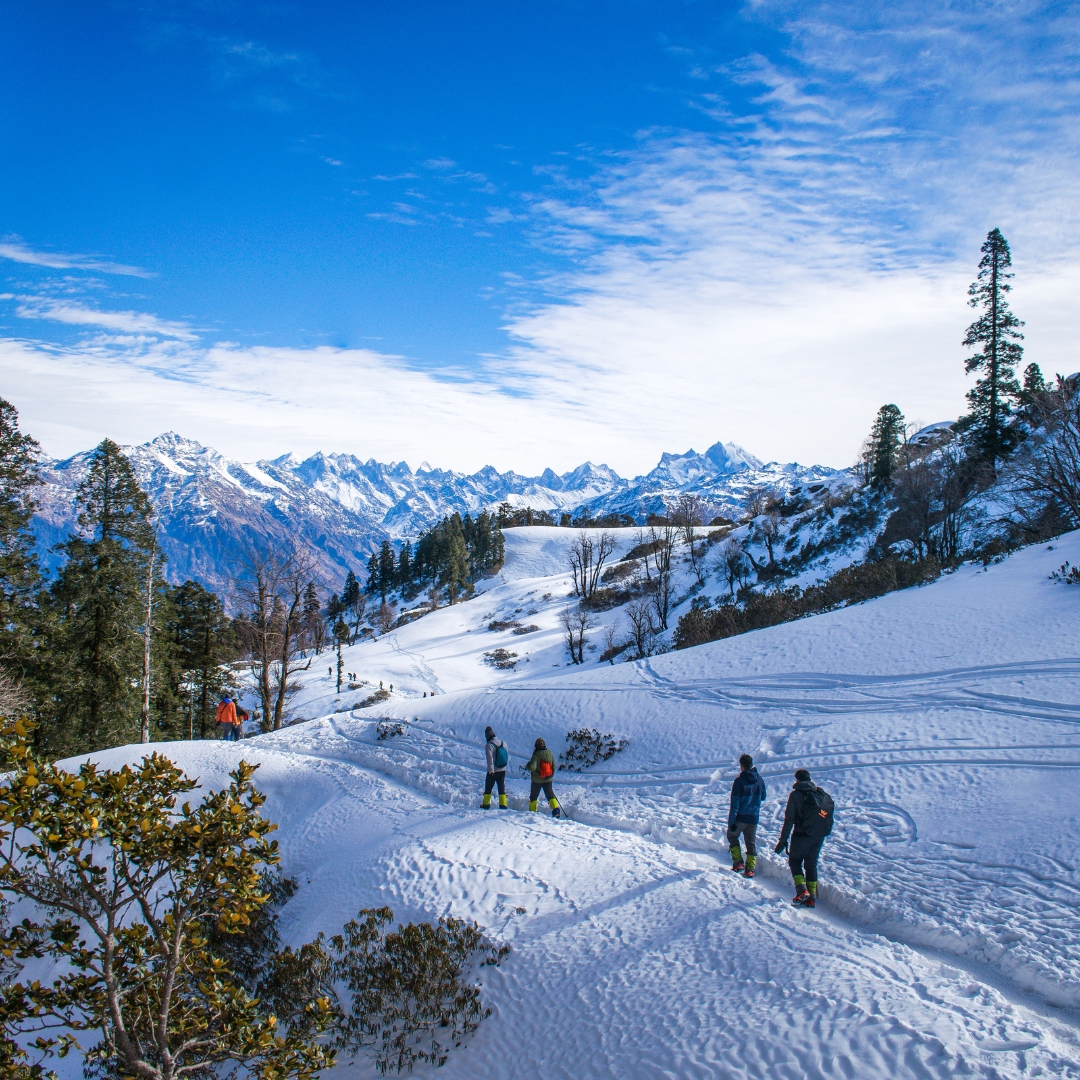
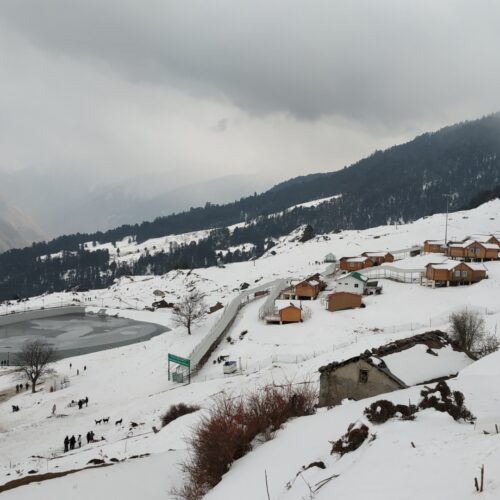
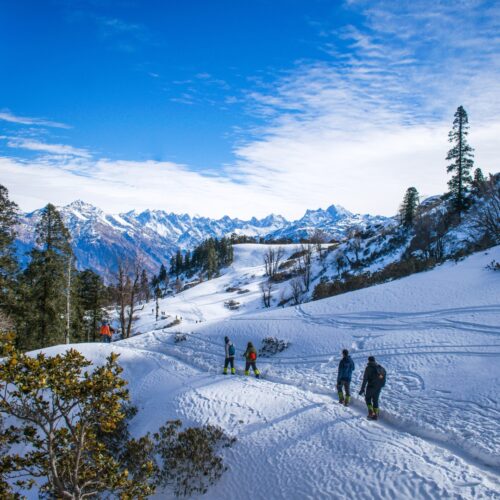
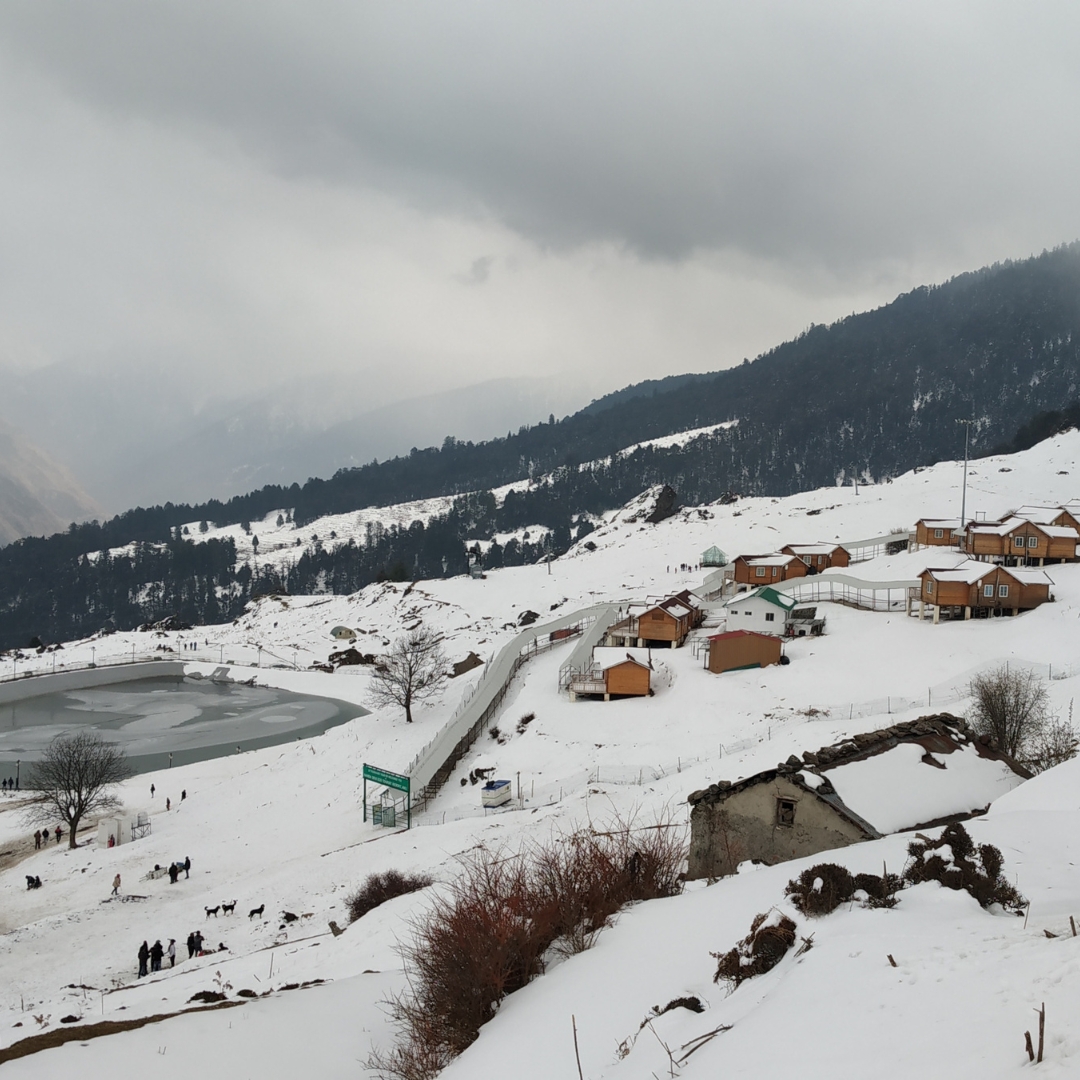
Auli (ski slopes & snow views)
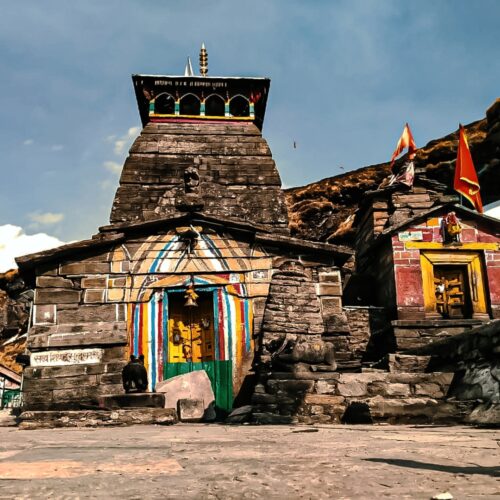
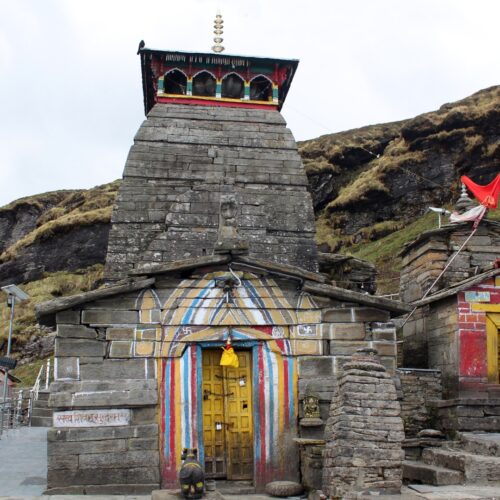
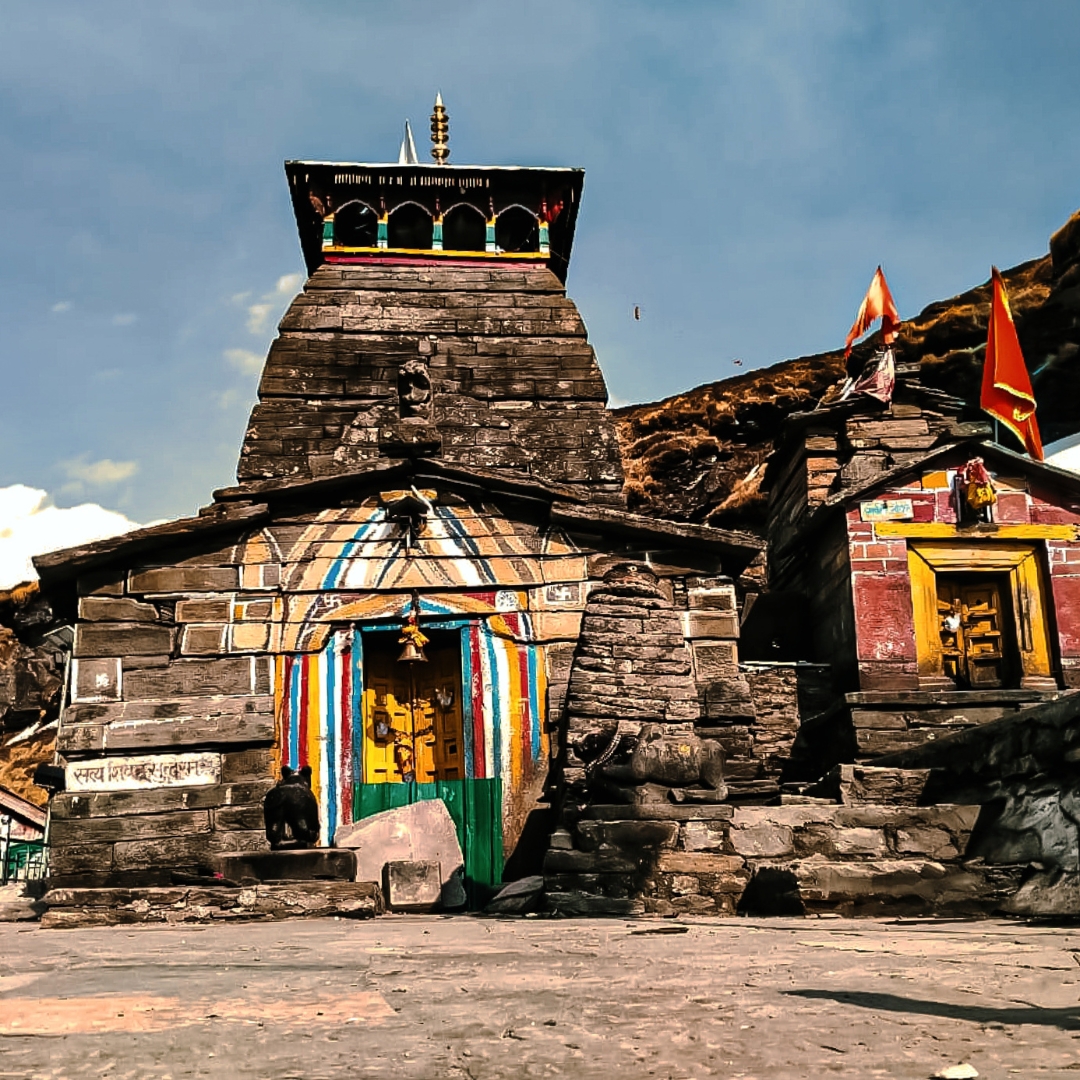
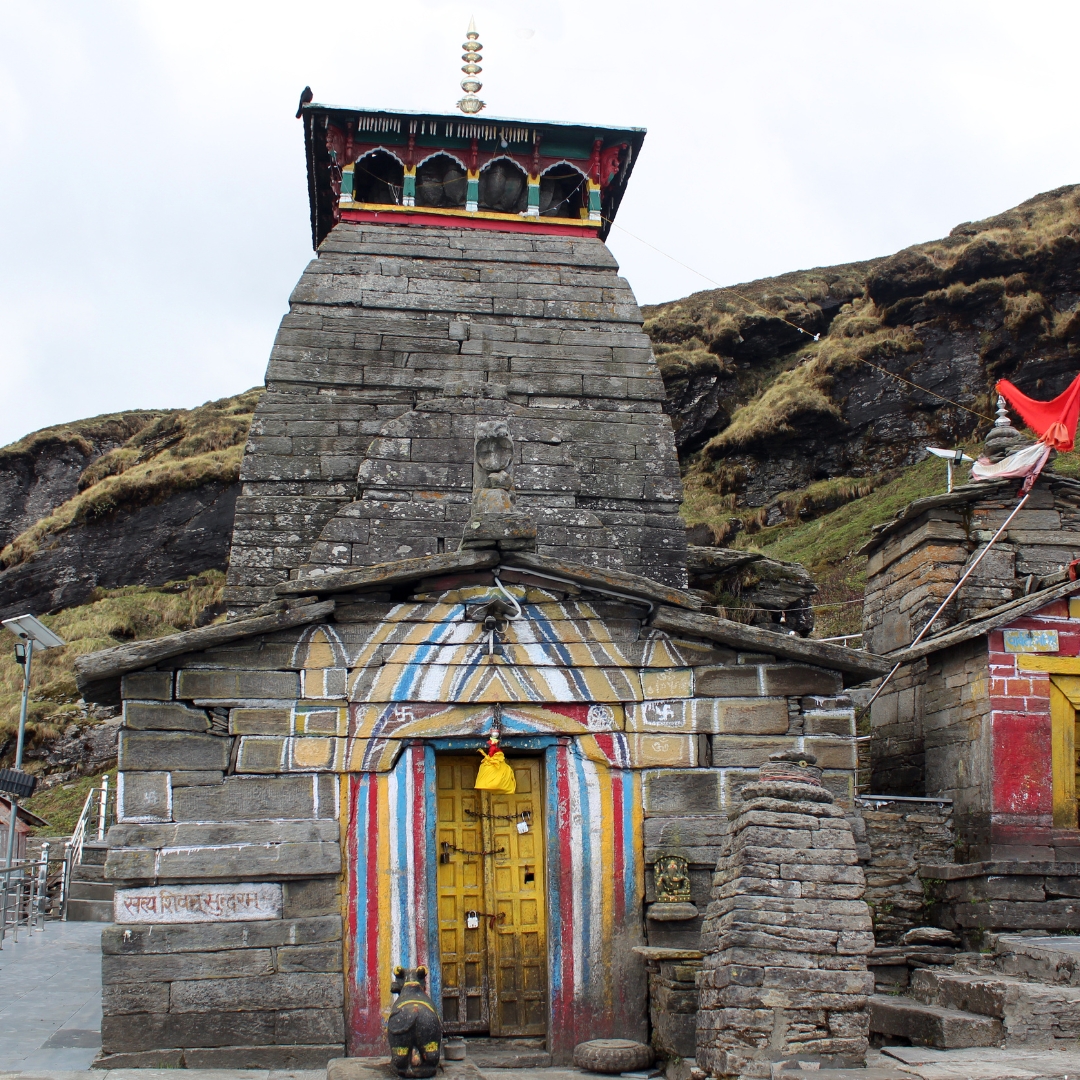
Tungnath Temple & Chandrashila ridge
Valley of Flowers (high-altitude UNESCO biosphere reserve in Chamoli district)
Garhwal treks often reach higher altitudes and can involve steeper ascents.
In Kumaon:
Pindari Glacier trek (moderate multi-day trek)
Binsar Wildlife Sanctuary forest trails
Kumaon trekking terrain is generally considered less extreme compared to upper Garhwal glacier routes.
If you want snow + dramatic peaks → Garhwal.
If you want forest trails + gradual elevation → Kumaon.
The Wildlife Explorer
When it comes to wildlife tourism, Kumaon clearly stands out.
Jim Corbett National Park is located in the Kumaon division and is India’s oldest national park (established in 1936).
It is famous for:
Bengal tiger sightings
Elephant safaris
River ecosystems
Jeep safari zones like Dhikala and Bijrani
Garhwal has forests and protected areas, but structured wildlife safari tourism is strongest in Kumaon.
If wildlife safari is your primary goal, Kumaon is the better choice.
Travel Experience Comparison (Practical Differences)
Now let’s move beyond attractions and talk practically.
Road Conditions & Accessibility
Garhwal:
Longer mountain stretches
Steeper gradients in temple routes
Higher altitude transitions
More winding Himalayan roads
Kumaon:
Comparatively smoother hill drives
Better suited for short duration trips
Easier access from Delhi via Kathgodam / Haldwani side
For senior citizens or motion-sensitive travelers, Kumaon may feel less physically demanding.
Crowd Levels
Garhwal:
Extremely crowded during Chardham season (May–June peak)
Temple towns get seasonal surges
Pilgrimage-driven traffic
Kumaon:
Tourism more evenly distributed
Nainital crowded in summer
Overall less pilgrimage-based rush
Hotel Infrastructure
Garhwal:
Strong network of dharamshalas and pilgrimage hotels
Growing mid-range accommodations
Remote temple areas have limited luxury
Kumaon:
Strong resort culture
Lake-view hotels
Boutique homestays
Easier availability of premium stays
Budget Range
Garhwal pilgrimage circuits can become costlier due to:
Long-distance mountain travel
Multiple night halts
Seasonal pricing during Yatra months
Kumaon short hill station trips may be more budget-flexible, especially for 3–4 day itineraries.
For travelers comparing structured journeys across both regions, exploring curated travel itineraries across Uttarakhand can help balance time, budget and travel comfort efficiently.
Best Region Based on Trip Duration
One of the most practical ways to decide between Garhwal and Kumaon is simple:
How many days do you actually have?
Many travelers ignore this — and that’s where planning goes wrong.
Let’s break it down logically.
3–4 Days Trip → Kumaon Is More Suitable
If you only have a long weekend or 3–4 days, Kumaon is generally the smarter choice.
Why?
Shorter internal travel distances
Easier road connectivity from Delhi via Kathgodam / Haldwani
Moderate altitudes (no extreme acclimatization needed)
Compact lake-based circuits
Destinations like:
Nainital
Ranikhet
Kausani
can be comfortably explored without rushing.
Trying to cover upper Garhwal temple circuits in 3–4 days usually results in:
Long drives
Less rest
Reduced temple darshan time
Travel fatigue
For short-duration trips, Kumaon offers better pacing.
5–6 Days Trip → Either Region Can Work
With 5–6 days, you gain flexibility.
Now you can:
Explore Auli–Chopta side in Garhwal
Plan a relaxed Kedarnath–Badrinath (Do Dham) journey
Or combine Nainital with nearby hill towns in Kumaon
This duration allows moderate exploration without excessive road fatigue.
The choice now depends more on travel purpose:
Spiritual → Garhwal
Relaxation → Kumaon
Snow + Adventure → Garhwal
Wildlife + Lakes → Kumaon
8–10 Days Trip → Garhwal Becomes Ideal
If you have 8–10 days, Garhwal opens up fully.
This is the ideal duration for:
The sacred Himalayan pilgrimage circuit
High-altitude temple journeys
Combining spiritual + adventure destinations
Experiencing dramatic Himalayan landscapes
The Char Dham region — including:
Kedarnath Temple
Badrinath Temple
Gangotri Temple
Yamunotri Temple
requires time for proper pacing.
Rushing high-altitude routes is not recommended.
For travelers planning a complete pilgrimage experience with proper acclimatization, route balance and comfortable halts, reviewing structured Himalayan pilgrimage itineraries can help avoid common planning mistakes.
Garhwal rewards travelers who give it time.
When to Visit Garhwal vs Kumaon (Season-Wise Breakdown)
Both regions are year-round destinations — but seasonal experience differs significantly.
Let’s break it down accurately.
March – June (Summer Season)
This is peak tourist season across Uttarakhand.
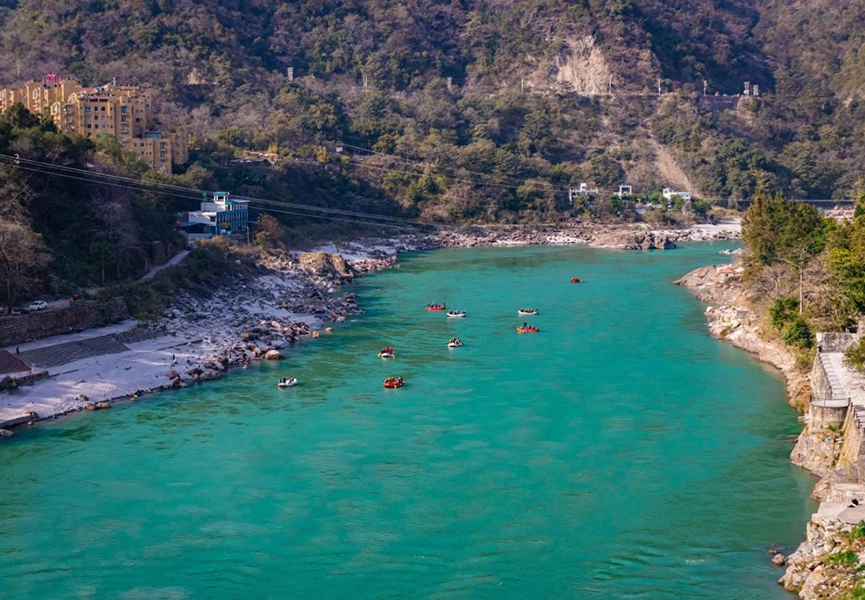
Garhwal in Summer:
Chardham Yatra typically opens (April/May depending on temple calendar)
Snow still visible at higher altitudes like Auli (early season)
River rafting active in Rishikesh
Kumaon in Summer:
Pleasant weather in Nainital
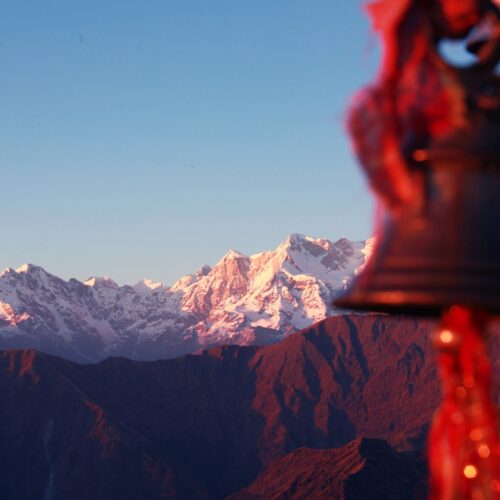
Clear Himalayan views from Kausani
Strong wildlife safari season in Jim Corbett National Park
Both are good — but vibe differs:
Garhwal → Pilgrimage + dramatic scale
Kumaon → Lakes + leisure + forest landscapes
July – September (Monsoon Season)
This period requires careful planning.
Garhwal:
Landslide-prone routes in high-altitude temple areas
Travel delays possible
Not ideal for rushed temple itineraries
Kumaon:
Heavy rain possible but lower-altitude hill stations more manageable
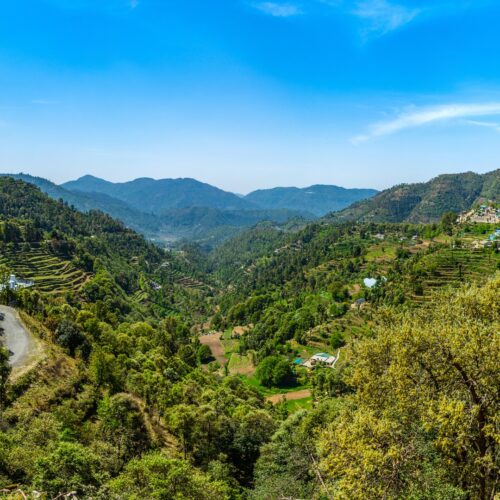
Lush green forests
Fewer crowds
For monsoon travelers seeking scenic quiet holidays, Kumaon often feels more stable.
However, always monitor weather updates in both regions.
October – February (Autumn & Winter)
Garhwal in Winter:
Snowfall in Auli and upper Chamoli region
Kedarnath & Badrinath temples closed (winter migration to lower towns)
Excellent snow photography
Kumaon in Winter:
Cold but accessible hill towns
Clear Himalayan views
Off-season pricing benefits
If snow experience is priority → Garhwal high-altitude zones.
If winter relaxation without extreme conditions → Kumaon.
Which Region Is Better for Families, Couples & Senior Citizens?
This section matters because most travel decisions are group-based.
For Families
Kumaon is often easier for:
Shorter travel distances
Less steep roads
Lake-based sightseeing
Resort-style accommodations
Families with young children generally prefer Nainital–Ranikhet circuits.
Garhwal can also work — but requires stronger planning for temple circuits and high-altitude travel.
For Senior Citizens
If pilgrimage is priority, Garhwal is spiritually unmatched.
However:
Temple routes involve altitude
Longer drives
Trekking sections (like Kedarnath)
Structured planning, proper halt distribution, and vehicle comfort become essential.
For seniors seeking spiritual experience without excessive strain, reviewing carefully paced Uttarakhand journeys with verified stays and route planning becomes extremely important.
Kumaon, on the other hand, is physically less demanding.
So decision depends on:
Devotion priority vs Physical comfort priority.
For Couples & Honeymoon Travelers
Both regions work — but vibe differs.
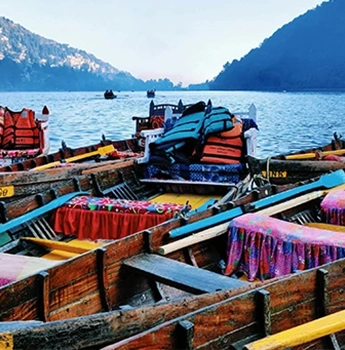
Kumaon offers:
Lakeside romance
Quiet viewpoints
Boutique hill stays
Forest retreats
Garhwal offers:
Snow landscapes in Auli
Spiritual bonding experiences
Dramatic Himalayan backdrops
If you want: Relaxed intimacy → Kumaon
Adventure + mountain intensity → Garhwal
Can You Combine Garhwal & Kumaon in One Trip?
Yes — but only if you plan it correctly.
Many travelers assume they can “cover Uttarakhand” in 5–6 days.
In reality, combining both Garhwal and Kumaon requires at least 8–10 days for a comfortable experience.
Why?
Because:
Garhwal routes involve long mountain drives and high-altitude segments
Kumaon circuits are geographically separate on the eastern side
Travel time between divisions is significant
Rushing reduces the actual experience of both regions
A well-balanced combined journey typically looks like:
3–4 days in Kumaon (Nainital / Ranikhet / Corbett side)
4–6 days in Garhwal (Rishikesh / Chopta / Kedarnath / Badrinath side)
The key is pacing.
Without structured route planning, travelers often experience:
Backtracking
Road fatigue
Missed sunrise viewpoints
Insufficient temple time
Poor halt distribution
If your goal is to experience lakes, wildlife, pilgrimage and snow landscapes in one seamless journey, reviewing professionally designed Uttarakhand travel itineraries can help you balance distances, altitude transitions and stay locations efficiently.
A combined tour works best when:
You have 9–12 days
You prefer variety over depth
You want a complete Himalayan exposure
Garhwal and Kumaon together offer one of the most diverse state experiences in India — but only when planned intelligently.
Final Verdict: It’s Not About Better — It’s About You
So which region is better?
The honest answer:
Neither.
And both.
It depends entirely on your travel personality.
Let’s simplify your decision:
Choose Garhwal if you want:
Spiritual immersion
Dramatic Himalayan altitude
Snow landscapes
Sacred temple circuits
A journey that feels powerful and transformative
Choose Kumaon if you want:
Peaceful lake towns
Leisure hill station vibe
Wildlife safaris
Easier travel pacing
Romantic and family-friendly comfort
Choose Both if you want:
Spirituality + relaxation
Adventure + wildlife
Snow peaks + lakes
A complete Uttarakhand experience
Uttarakhand is not one destination.
It is two complementary Himalayan worlds.
The real question isn’t “Garhwal vs Kumaon?”
It’s:
What kind of traveler are you in 2026?
📊 Garhwal vs Kumaon – Final Comparison Snapshot
| Factor | Garhwal | Kumaon |
|---|---|---|
| Spiritual Significance | Extremely High (Char Dham region) | Moderate |
| Hill Station Leisure | Moderate | High |
| Wildlife Tourism | Limited | Strong (Jim Corbett) |
| Snow Experience | High-altitude zones | Limited snowfall areas |
| Road Intensity | More steep & long drives | Comparatively smoother |
| Ideal Duration | 6–10 Days | 3–6 Days |
| Best For | Pilgrimage & high Himalayas | Relaxed holidays & wildlife |
Frequently Asked Questions
Is Garhwal more beautiful than Kumaon?
Beauty is subjective. Garhwal offers dramatic high-altitude Himalayan scenery and sacred river valleys, while Kumaon provides lake views, forested hills and panoramic Himalayan sunrises. Both regions are visually stunning in different ways.
Which region of Uttarakhand is cheaper — Garhwal or Kumaon?
Short trips in Kumaon (3–4 days) are often more budget-flexible due to shorter travel distances. Garhwal pilgrimage circuits can become more expensive because of longer mountain drives and seasonal demand during Chardham Yatra months.
Which is better for honeymoon — Garhwal or Kumaon?
Kumaon is generally preferred for relaxed romantic holidays due to lake views and boutique stays in towns like Nainital.
Garhwal suits couples who enjoy snow landscapes and adventurous mountain settings such as Auli.
Is Kumaon less crowded than Garhwal
During peak pilgrimage season (May–June), Garhwal temple routes are significantly more crowded due to Chardham Yatra. Kumaon tourism is more evenly distributed, except for summer rush in Nainital.
Can I cover Garhwal and Kumaon in one week?
It is technically possible but not recommended. A balanced combined trip requires at least 8–10 days to avoid rushing and excessive road travel.

Travel Specialist – Domestic India Tours
I am a travel specialist with expertise in crafting memorable journeys across India. From the Himalayas to Kerala’s backwaters, I design customized itineraries for trekking, camping, cultural tours, and family vacations. Passionate about creating seamless travel experiences, I help travelers discover the best of India with comfort and adventure.