KEDARNATH – THE SACRED ABODE OF LORD SHIVA IN THE HIMALAYAS

There are many temples dedicated to Lord Shiva across India, but very few leave an impression that stays with you long after the journey ends. Kedarnath is one such place where faith, history and the Himalayas come together in a way that is difficult to describe until you experience it yourself.

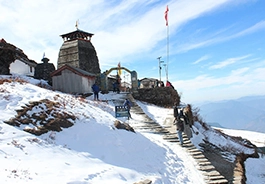
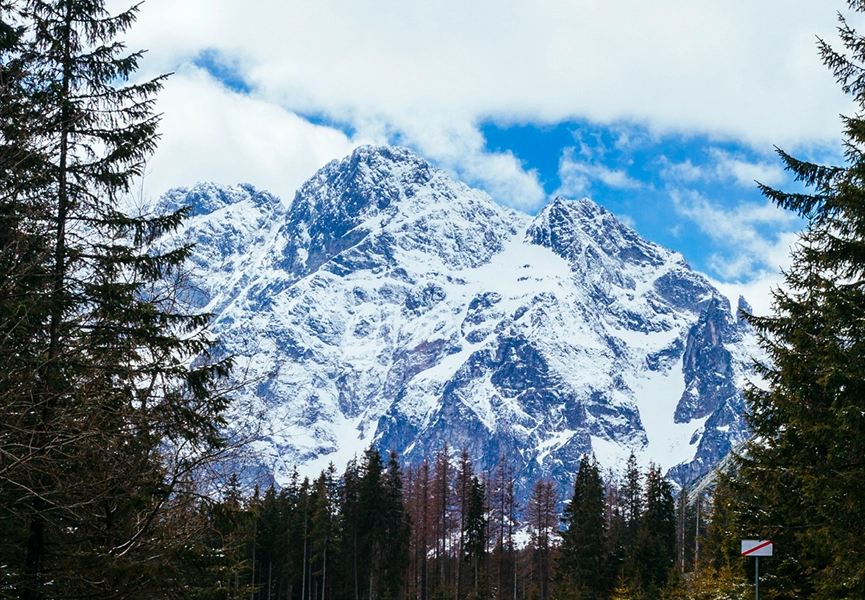
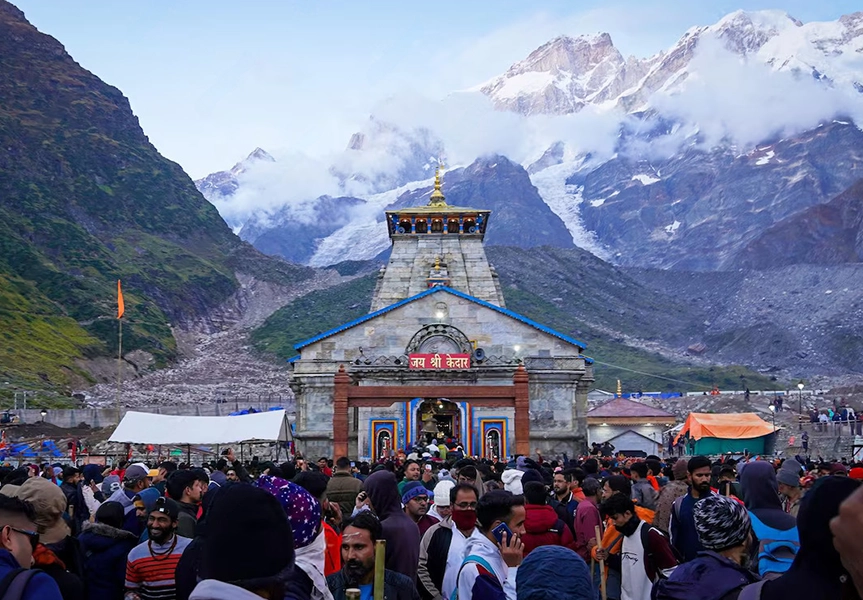
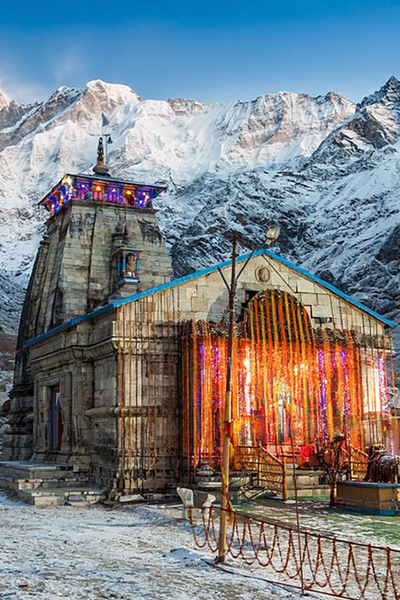
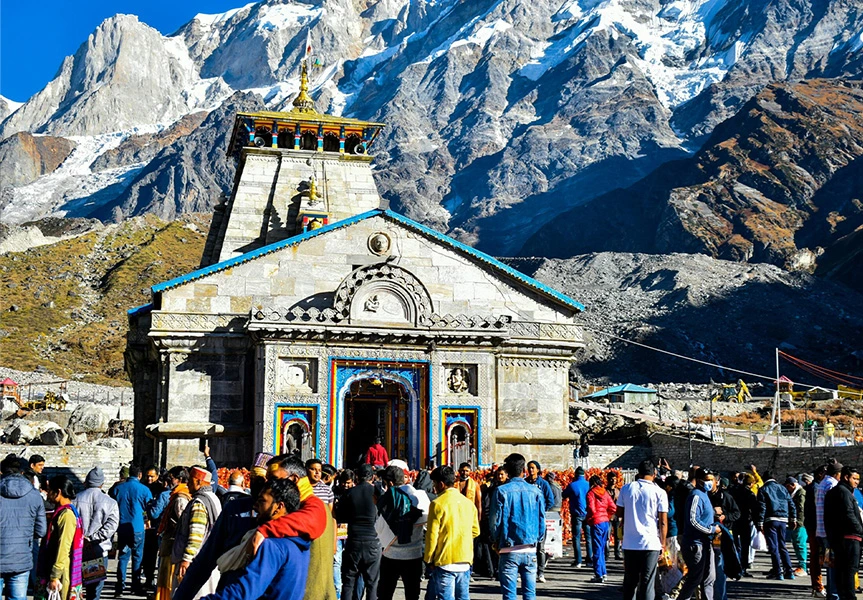
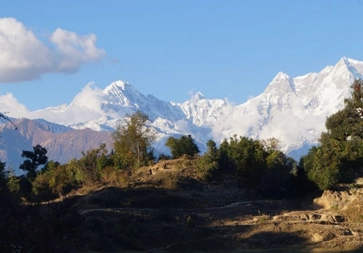
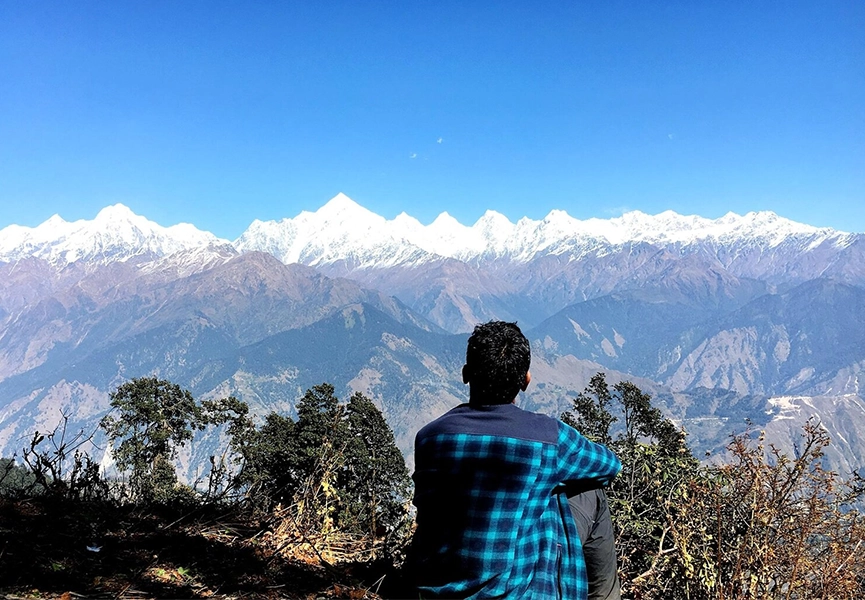
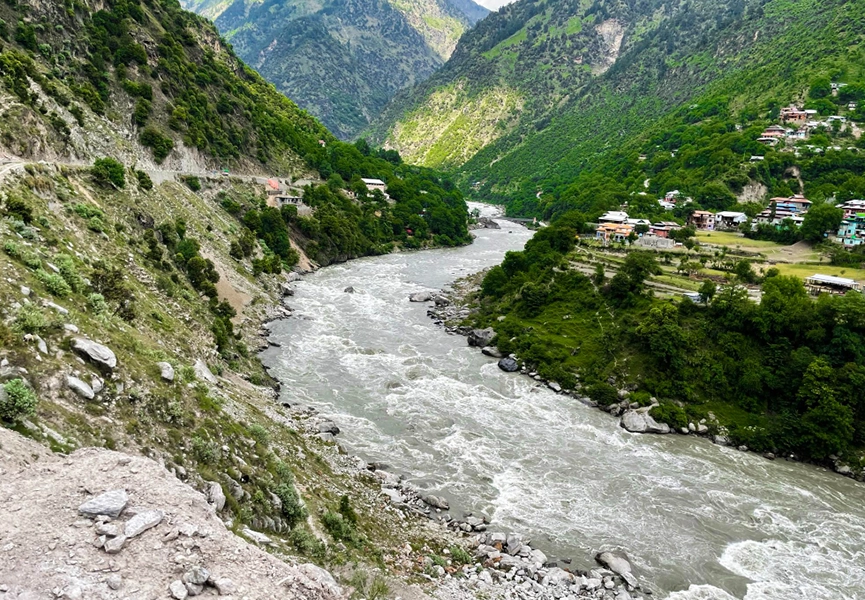
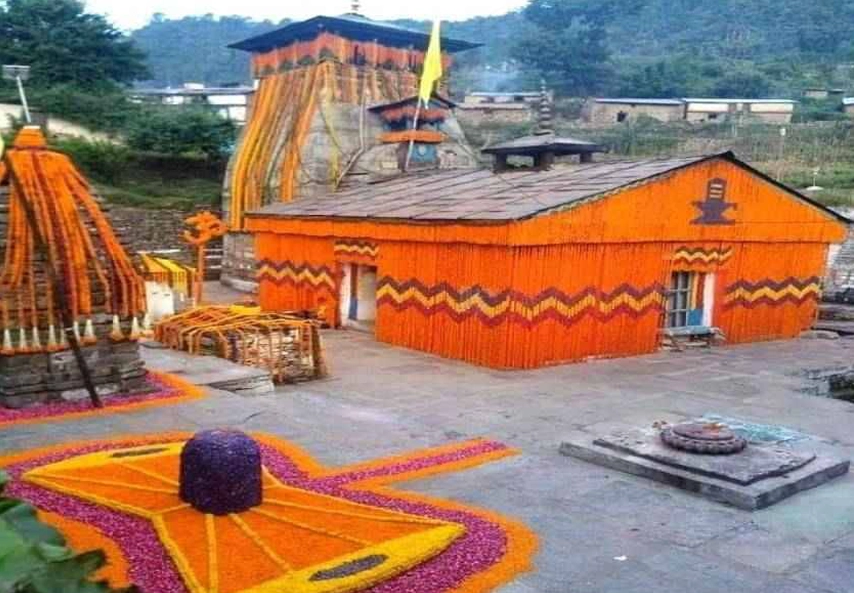
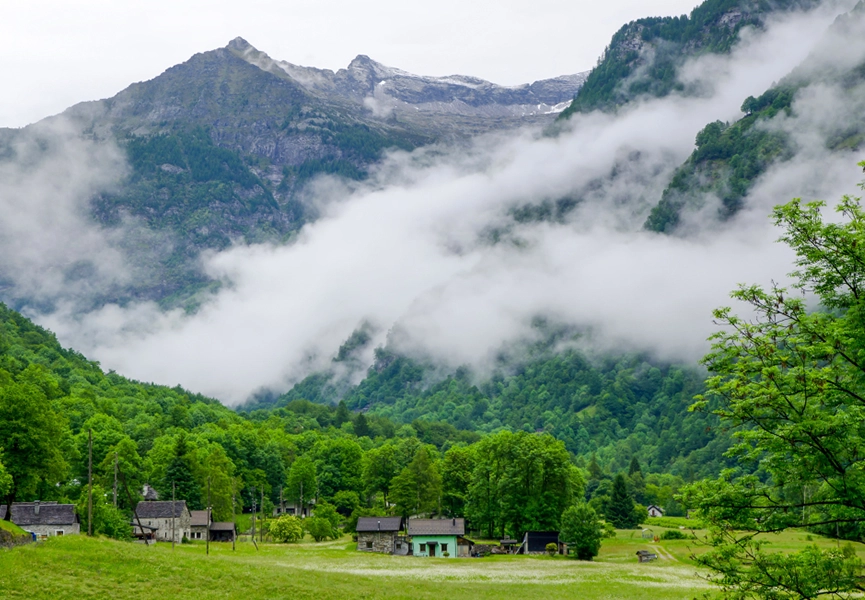
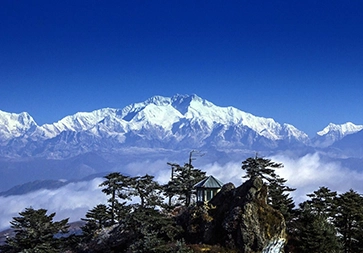
Located in the magnificent Garhwal Himalayas of Uttarakhand at an altitude of 3,583 metres (11,755 feet), Kedarnath is one of the holiest pilgrimage destinations for Hindus. The temple stands on the banks of the Mandakini River and is surrounded by towering snow-covered peaks that remain visible for most of the year. Every year, lakhs of devotees undertake the journey to seek the blessings of Lord Shiva and witness the spiritual atmosphere that has existed here for centuries.

Kedarnath is one of the four sacred shrines of the Char Dham Yatra of Uttarakhand and also holds a special place among the twelve Jyotirlingas and the Panch Kedar temples. For pilgrims planning the complete Himalayan pilgrimage, Kedarnath is an important stop before continuing towards Badrinath, Gangotri and Yamunotri.

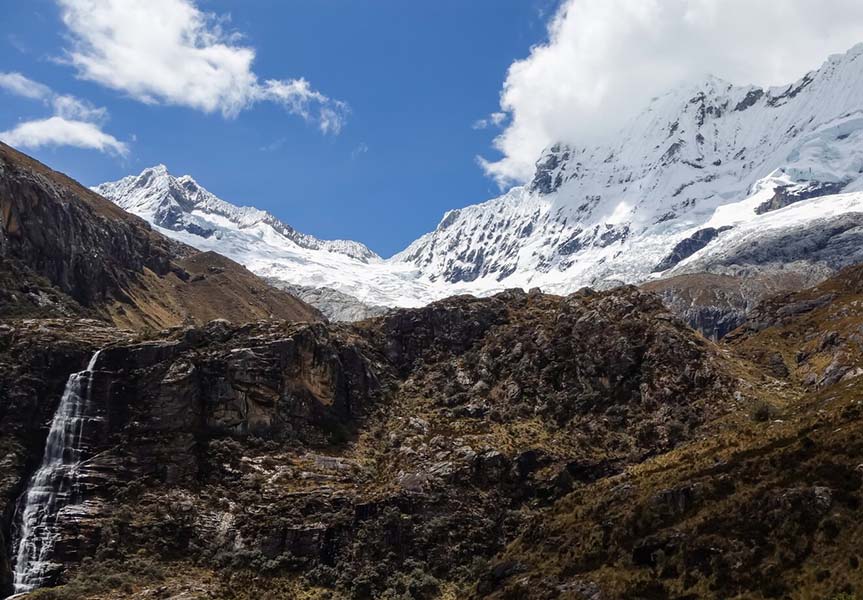
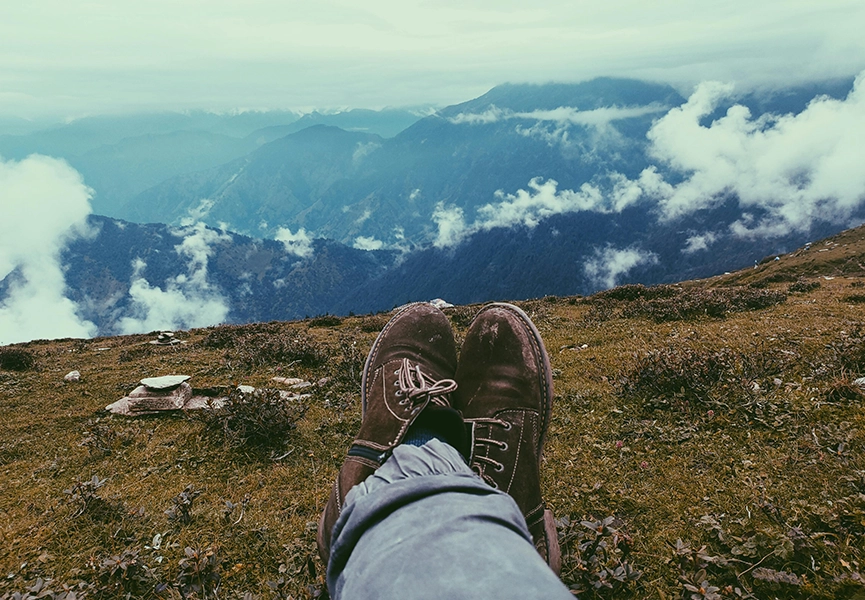
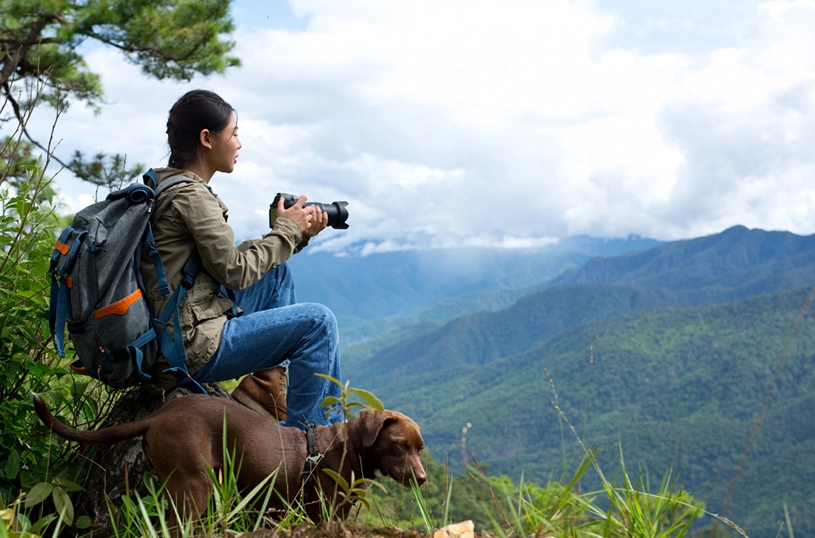
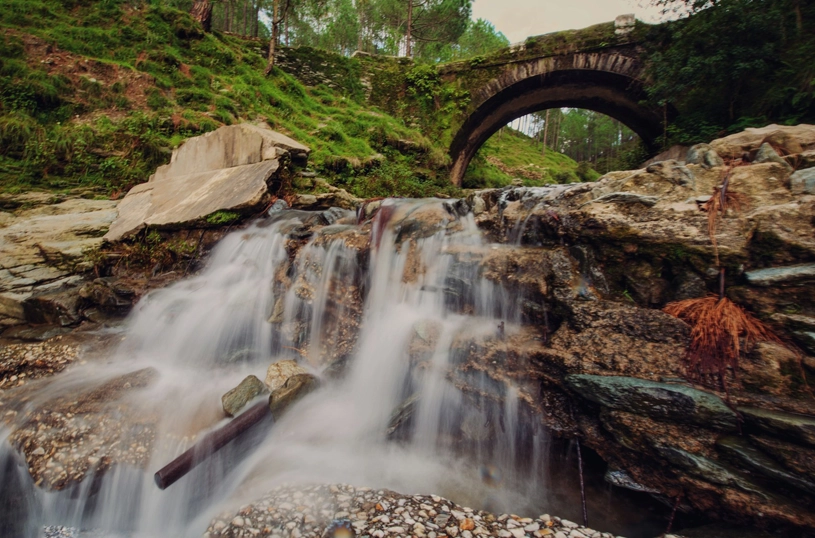
Unlike many temples that are accessible by road, reaching Kedarnath requires dedication. Pilgrims complete an approximately 16-kilometre trek from Gaurikund, making the journey itself a meaningful part of the pilgrimage. Every step through forests, waterfalls, mountain streams and Himalayan valleys gradually prepares visitors for the divine experience that awaits at the temple.

Where is Kedarnath Located?

Kedarnath is situated in the Rudraprayag district in northern India. The temple lies close to the source of the Mandakini River and is surrounded by some of the highest Himalayan peaks, including the majestic Kedarnath Peak.

Quick Facts

State – Uttarakhand

District – Rudraprayag

Elevation – 3,583 metres (11,755 feet)

Trek Distance – Around 16 km from Gaurikund

River – Mandakini River

Temple Dedicated To – Lord Shiva

Importance – One of the 12 Jyotirlingas and Panch Kedar

Part Of – Char Dham Yatra Uttarakhand

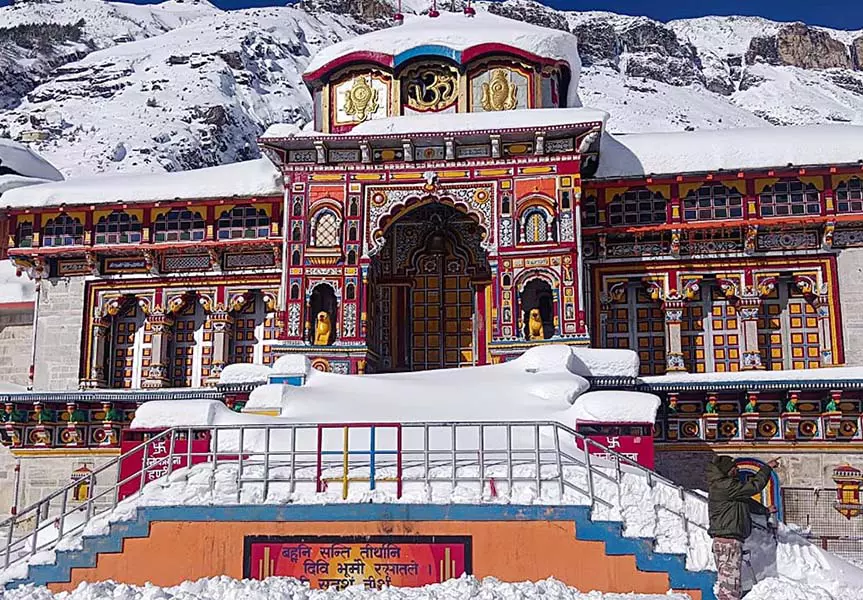
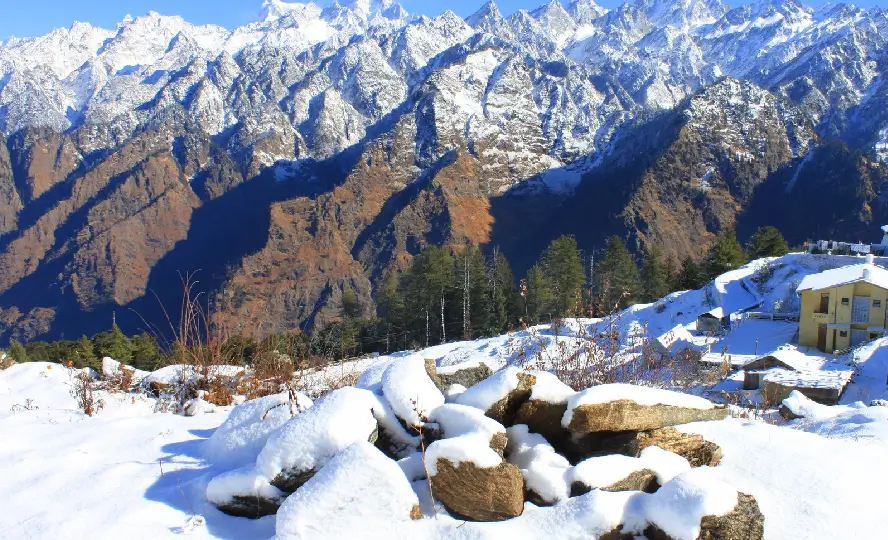
The surrounding Himalayan landscape remains snow-covered for several months every year, which is why the temple opens only during the summer pilgrimage season.

The Story Behind Kedarnath Temple

The spiritual importance of Kedarnath is deeply connected with the Mahabharata.

According to Hindu tradition, after the Kurukshetra War, the Pandavas wished to seek forgiveness from Lord Shiva for the destruction and loss of life caused during the battle. However, Lord Shiva did not want to meet them immediately and travelled to the Himalayas in the form of a bull.

When the Pandavas reached the mountains in search of him, Bhima recognised the unusual bull and attempted to stop it. Before he could do so, the bull disappeared into the earth. It is believed that the hump of the bull appeared at Kedarnath, while the remaining parts appeared at four different places, which today are worshipped as the sacred Panch Kedar temples.

These five temples are:

Kedarnath

Madhyamaheshwar

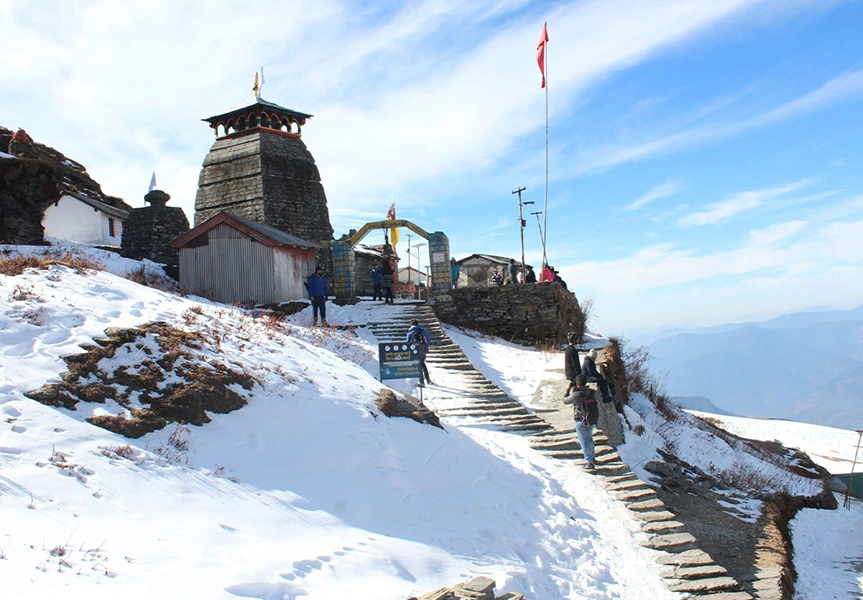
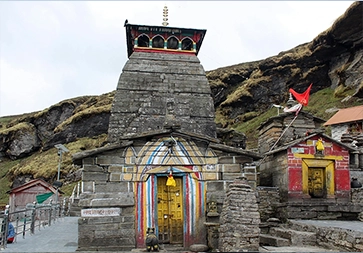
Tungnath

Rudranath

Kalpeshwar

This legend makes Kedarnath not only a Jyotirlinga but also the most significant temple among the Panch Kedar pilgrimage.

Adi Shankaracharya and Kedarnath

The present temple is believed to have been revived by Adi Shankaracharya during the 8th century. He travelled across India to revive Sanatan Dharma and established many important pilgrimage centres.

Near the Kedarnath Temple stands the Samadhi of Adi Shankaracharya, where it is believed that he attained Mahasamadhi at a young age after completing his spiritual work. Even today, thousands of pilgrims visit the temple as well as the Samadhi to pay their respects.

His contribution helped preserve Kedarnath as one of the most important pilgrimage destinations in India.

Why Kedarnath is So Special

Every temple has its own significance, but Kedarnath offers something unique.

The journey is not limited to reaching a destination. Pilgrims leave behind roads, cities and everyday routines before entering the peaceful Himalayan landscape. The changing scenery, the flowing Mandakini River and the sound of temple bells create an experience that combines devotion with nature.

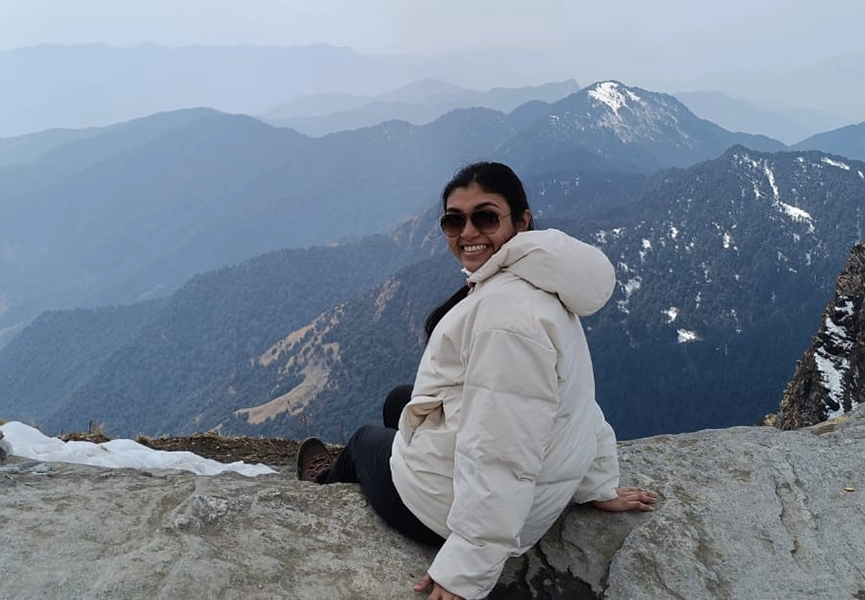
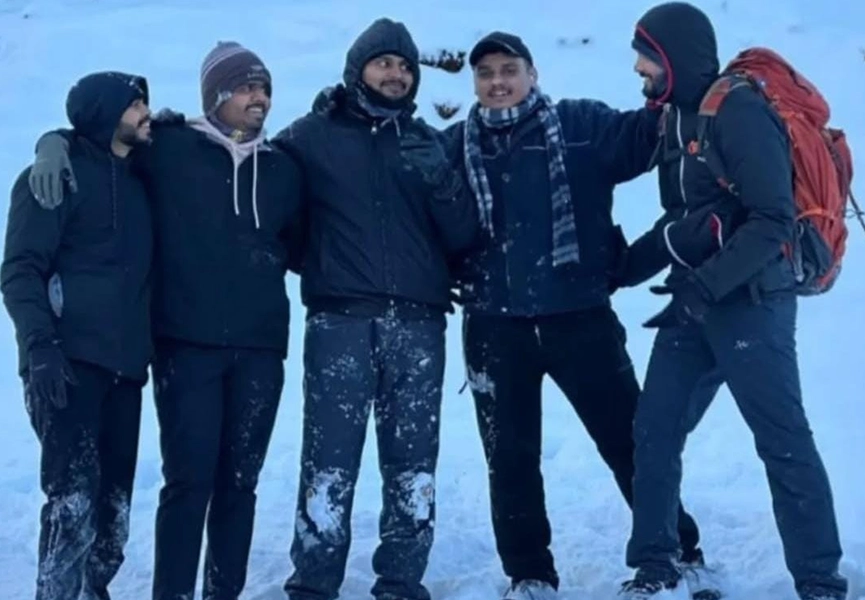
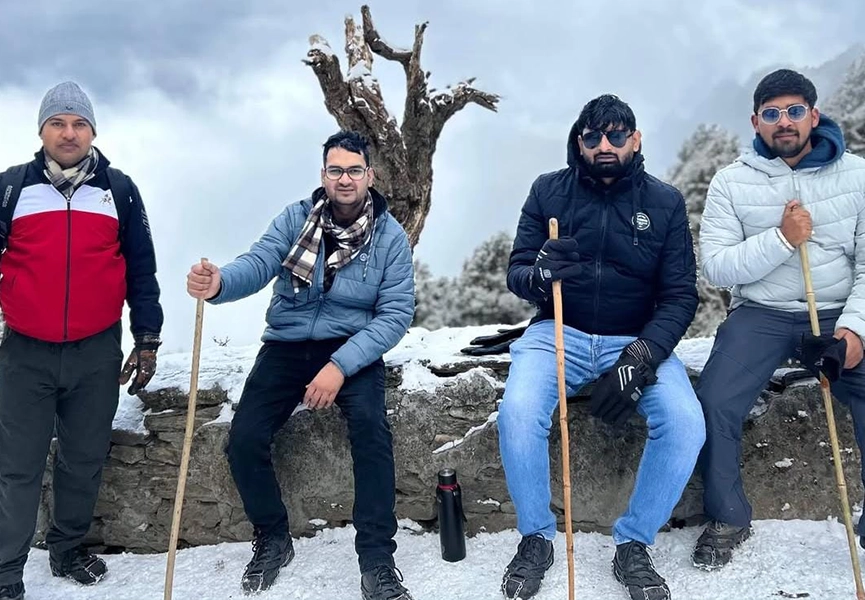
For many visitors, the trek itself becomes an unforgettable memory. Every kilometre climbed through the mountains adds to the feeling of accomplishment before finally standing in front of the ancient stone temple.

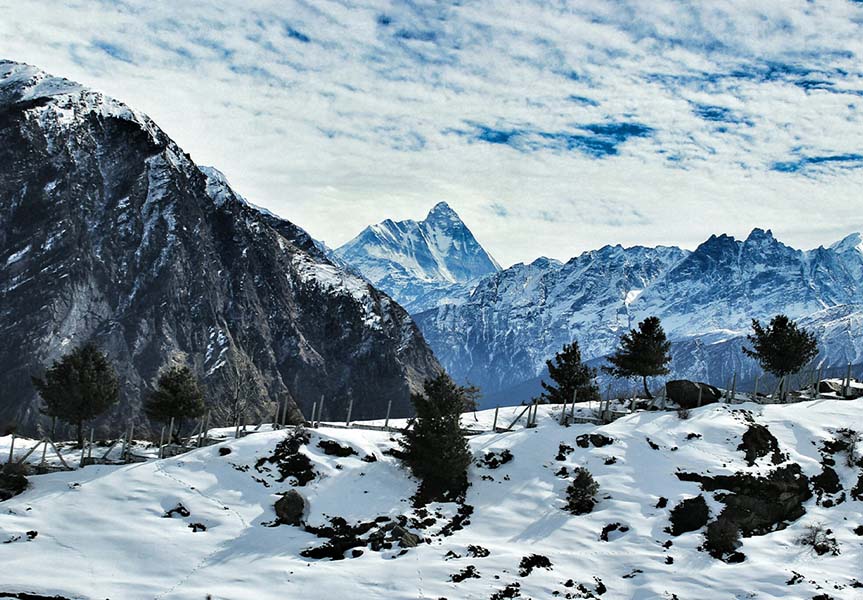
Unlike many famous temples located within cities, Kedarnath remains surrounded by glaciers, mountains and untouched natural beauty, making it one of the most scenic pilgrimage destinations in India.

Architecture of Kedarnath Temple

One of the most remarkable aspects of Kedarnath Temple is its construction.

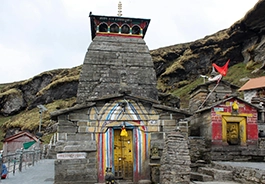
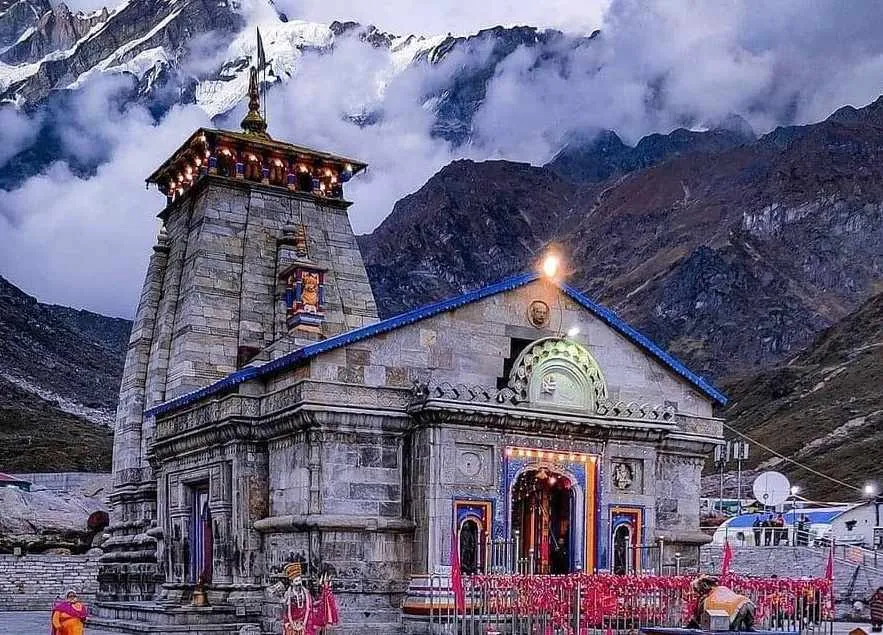
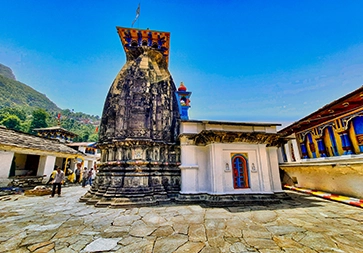
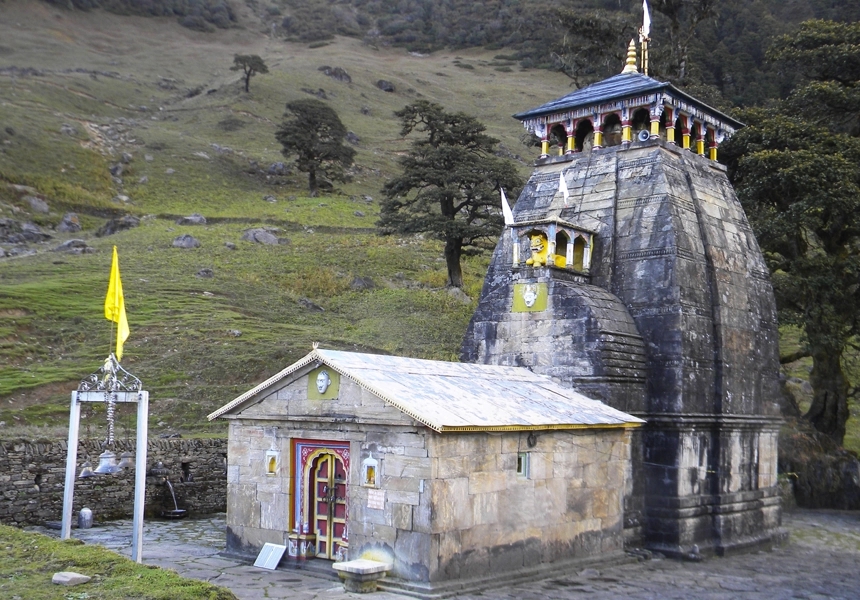
The temple is built using massive grey stone slabs carefully placed together without modern construction technology. Despite centuries of heavy snowfall, earthquakes and extreme Himalayan weather, the temple continues to stand as a remarkable example of ancient engineering.

The sanctum houses the naturally formed Shiva Lingam, which is worshipped in the form of a triangular rock representing the hump of Lord Shiva.

The temple complex includes:

Main sanctum

Mandap for devotees

Nandi statue

Adi Shankaracharya Samadhi

Small surrounding shrines

Its simple yet powerful architecture reflects the spiritual character of the Himalayas rather than elaborate decoration.

Kedarnath During Different Seasons

Every season presents a different experience.

Summer (May to June)

The most popular time for pilgrimage. Pleasant weather, open trekking routes and temple ceremonies attract the highest number of visitors.

Monsoon (July to August)

Heavy rainfall can lead to landslides and travel disruptions. Pilgrims should monitor weather forecasts carefully before planning their journey.

Autumn (September to October)

One of the best seasons to visit Kedarnath. Clear mountain views, pleasant temperatures and comparatively fewer crowds make this period ideal for travellers and photographers.

Winter (November to April)

The temple remains closed due to heavy snowfall. During this period, the deity is worshipped at Omkareshwar Temple in Ukhimath until the Kedarnath Temple reopens in the summer.

Best Time to Visit Kedarnath

Choosing the right time to visit Kedarnath can make your pilgrimage more comfortable and enjoyable. Since the temple remains open only for a few months every year, each season offers a different experience.

May to June – Peak Pilgrimage Season

The doors of Kedarnath Temple generally open in late April or early May after the winter closure. During May and June, the weather is pleasant, the trekking route is fully operational, and daily temple rituals take place with great devotion. Snow can still be seen on the surrounding mountain peaks, making this one of the most scenic times to visit.

This is also the busiest period of the year, so booking hotels and transport well in advance is highly recommended.

July to August – Monsoon Season

The monsoon brings lush green valleys and flowing waterfalls, but it also increases the risk of landslides and road closures in the Himalayan region. Pilgrims travelling during this period should stay updated on weather conditions and follow government travel advisories.

September to October – Ideal for Peaceful Darshan

Many experienced travellers consider September and October the best months to visit Kedarnath. The skies are usually clear after the monsoon, temperatures remain comfortable during the day, and the surrounding Himalayan landscape looks exceptionally beautiful. Compared to the summer rush, the crowd is generally lower, allowing for a more peaceful pilgrimage.

How to Reach Kedarnath

Although Kedarnath is located deep in the Himalayas, reaching the temple is well-organised with road, rail, air and trekking options.

By Road

The nearest motorable point is Gaurikund, which is connected by road through:

Delhi

Haridwar

Rishikesh

Devprayag

Srinagar

Rudraprayag

Guptkashi

Sonprayag

Gaurikund

Private taxis, shared jeeps and buses operate regularly during the pilgrimage season.

By Train

The nearest major railway stations are:

Rishikesh

Haridwar

From there, travellers continue by road towards Gaurikund.

By Air

The nearest airport is Jolly Grant Airport. From the airport, taxis are available for the onward journey.

Kedarnath Trek – A Journey of Faith

Unlike many pilgrimage destinations, Kedarnath is reached through a Himalayan trek that becomes an unforgettable part of the experience.

The trek begins from Gaurikund and is approximately 16 kilometres long.

The route is well-maintained and includes:

Resting points

Medical facilities

Drinking water

Food stalls

Toilets

Pony and mule services

Palki (palanquin) services

Porter facilities

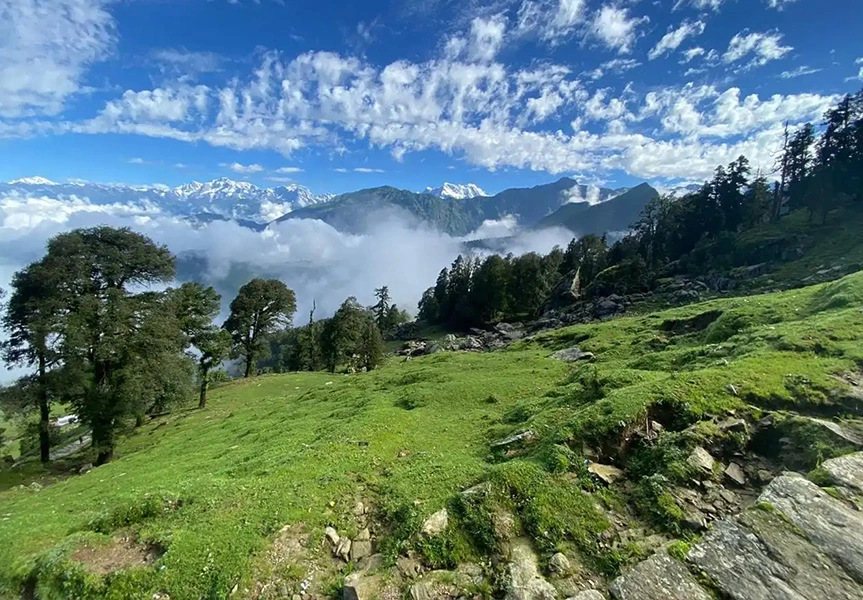
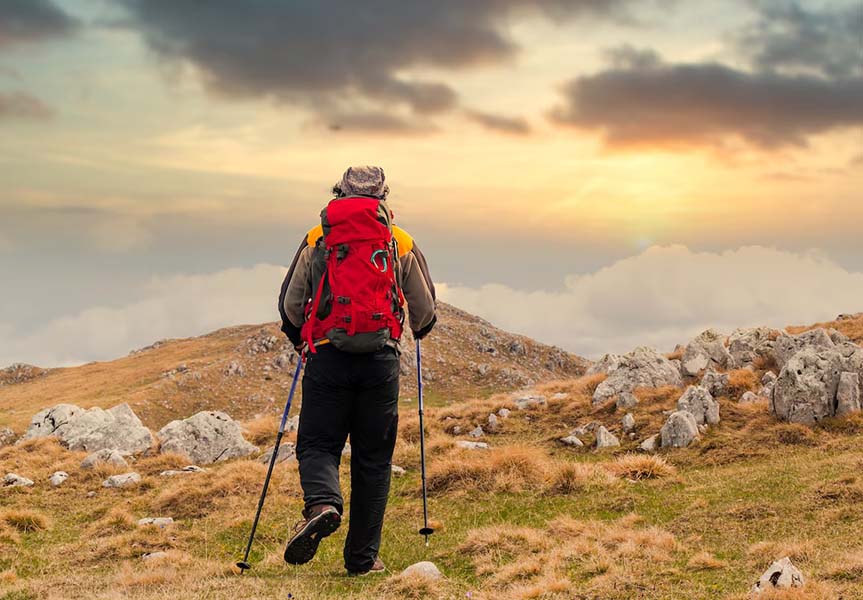
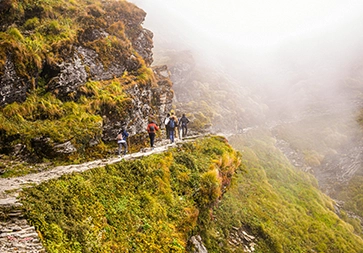
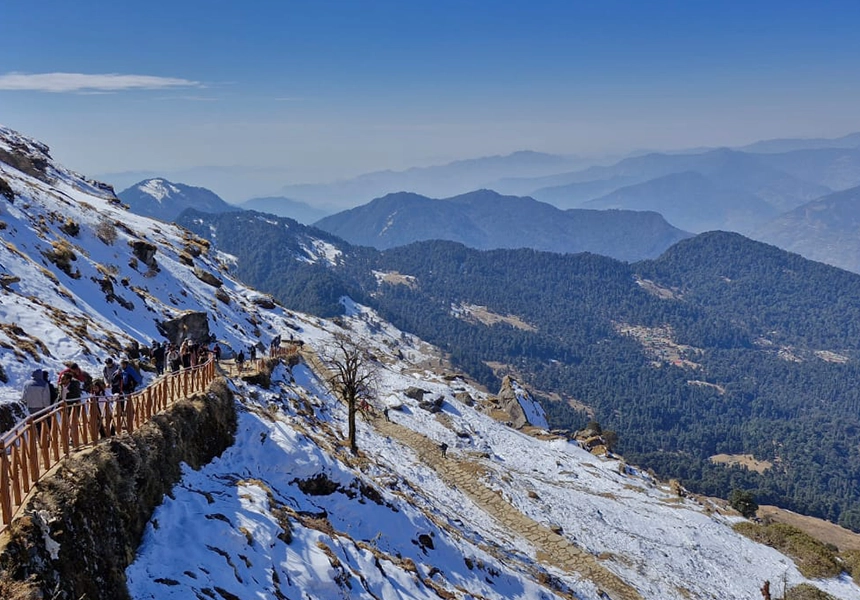
The trek passes through breathtaking mountain scenery, waterfalls, dense forests and the flowing Mandakini River. Most pilgrims complete the trek in 6 to 9 hours, depending on their fitness level and weather conditions.

Those who prefer not to trek can also opt for helicopter services during the pilgrimage season.

Helicopter Services to Kedarnath

Helicopter services are available from several helipads, including:

Phata

Sersi

Guptkashi

The flight takes only a few minutes and is a convenient option for senior citizens, families with children, or travellers with limited time. Advance booking is strongly recommended during the peak pilgrimage season.

Temple Opening and Closing

The opening date of Kedarnath Temple is announced every year on the auspicious occasion of Mahashivratri, while the temple doors usually open around Akshaya Tritiya.

The closing ceremony takes place after Bhai Dooj, when the idol of Lord Kedarnath is ceremonially moved to Omkareshwar Temple, where worship continues throughout the winter months.

Temple Timings

The temple generally follows these timings during the pilgrimage season:

Morning Darshan: 4:00 AM to 3:00 PM

Evening Darshan: 5:00 PM to 9:00 PM

Timings may vary slightly during festivals or special religious occasions.

Places to Visit Near Kedarnath

A journey to Kedarnath offers several nearby attractions worth exploring.

Bhairavnath Temple

Located about 500 metres from Kedarnath Temple, this temple is dedicated to Bhairav Baba, who is believed to protect the Kedarnath valley during the winter months.

Vasuki Tal

A beautiful glacial lake situated around 8 kilometres from Kedarnath. The trek is suitable for experienced trekkers and rewards visitors with magnificent Himalayan views.

Gandhi Sarovar

Also known as Chorabari Tal, this peaceful lake lies a short trek away from the temple and offers stunning mountain scenery.

Triyuginarayan

Believed to be the sacred place where Lord Shiva and Goddess Parvati were married. It is often included in Kedarnath pilgrimage itineraries.

Guptkashi

Known for the ancient Vishwanath Temple and Ardhnarishwar Temple, Guptkashi serves as an important stop for pilgrims travelling to Kedarnath.

Accommodation Near Kedarnath

Pilgrims can find accommodation at different stages of the journey.

Options include:

Hotels in Guptkashi

Hotels in Sonprayag

Hotels in Gaurikund

Guest houses near Kedarnath Temple

GMVN tourist rest houses

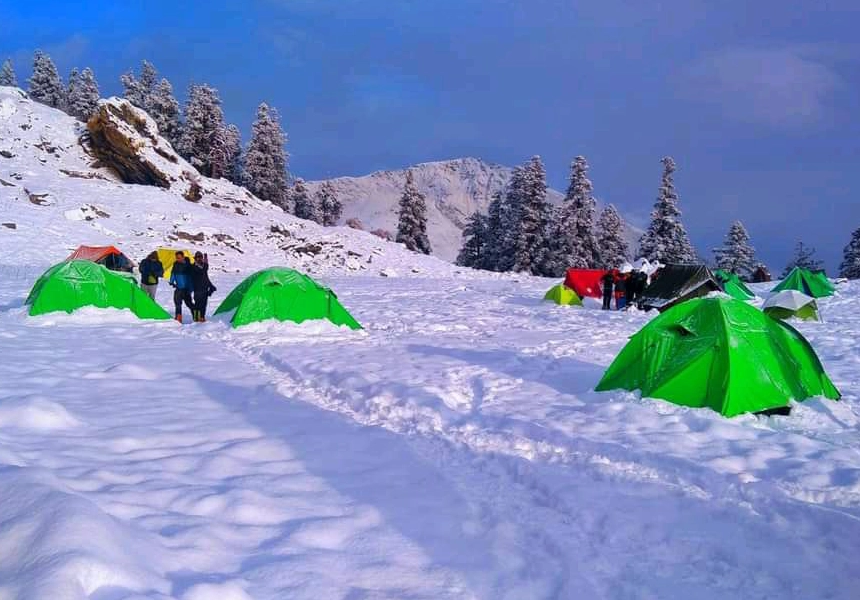
Camps during the pilgrimage season

Booking accommodation in advance is recommended, especially during May, June and festival periods.

Essential Travel Tips

Before travelling to Kedarnath, keep these points in mind:

Complete your Char Dham registration before the journey.

Carry warm clothing even during summer.

Wear comfortable trekking shoes.

Keep rain protection handy during the monsoon.

Carry necessary medicines and personal identification.

Stay hydrated throughout the trek.

Avoid plastic waste and help keep the Himalayas clean.

Respect local customs and temple traditions.

Explore Kedarnath with Travelophila

If you are planning a hassle-free pilgrimage, Travelophila offers carefully designed tour packages that include comfortable transport, hotel accommodation, local guidance and complete travel assistance.
Whether you are travelling only to Kedarnath or planning the complete Chardham tour package, our local team helps you experience the journey with comfort and confidence.
Call Now Button