Mana Village – The First Indian Village Near Badrinath

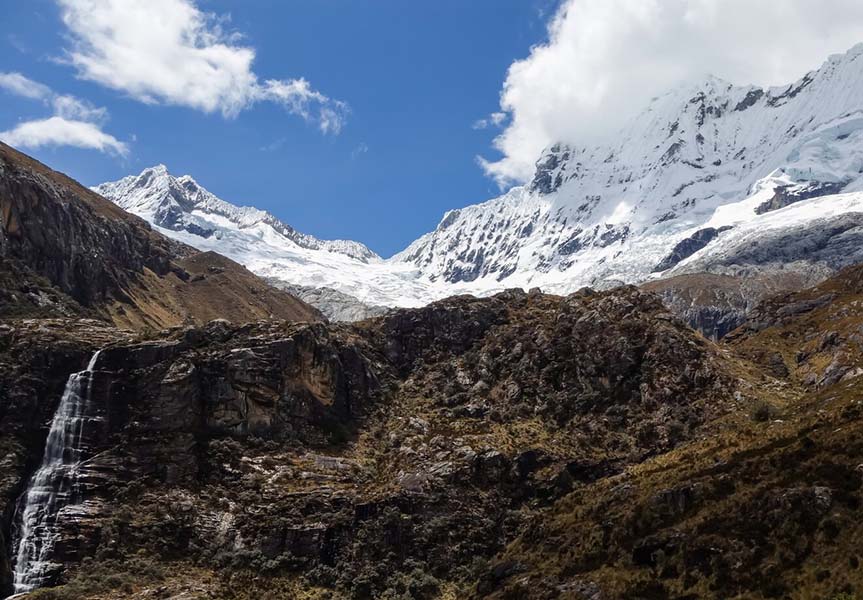
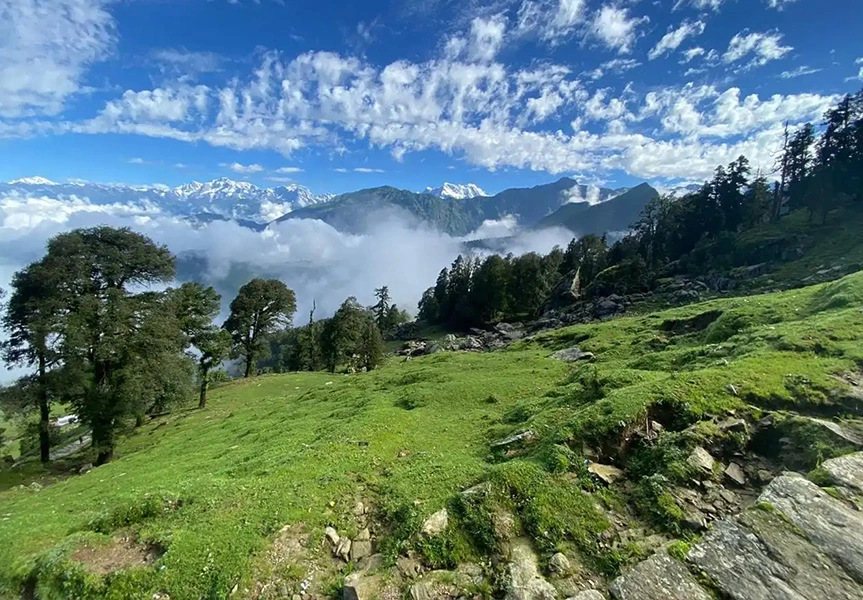
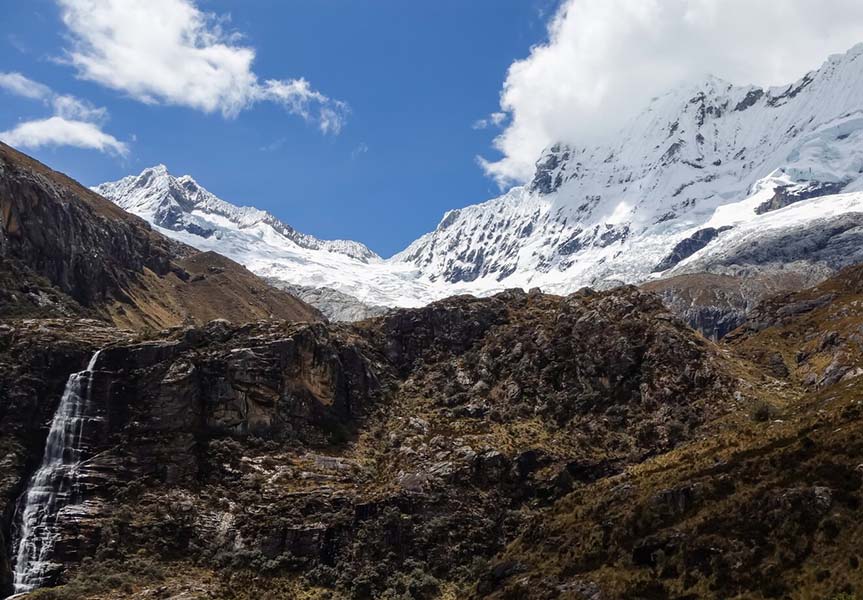
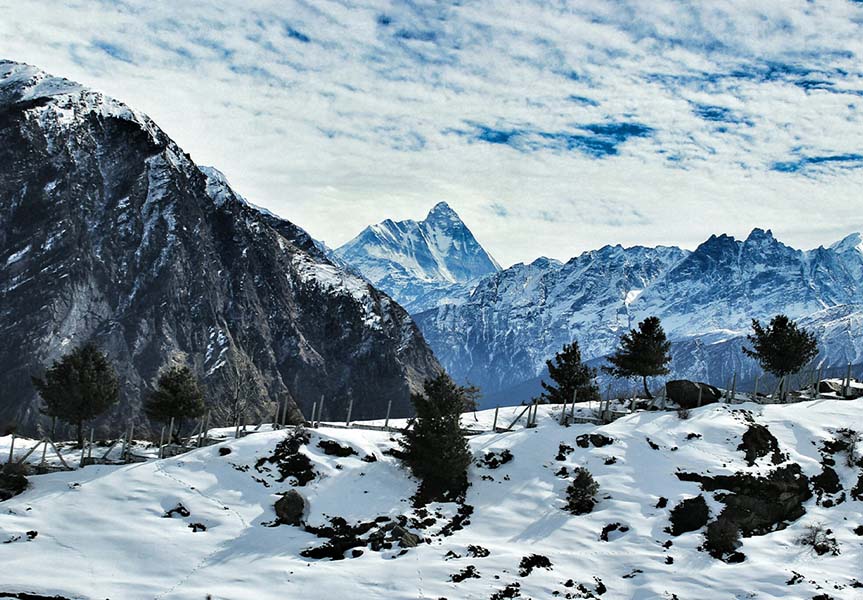
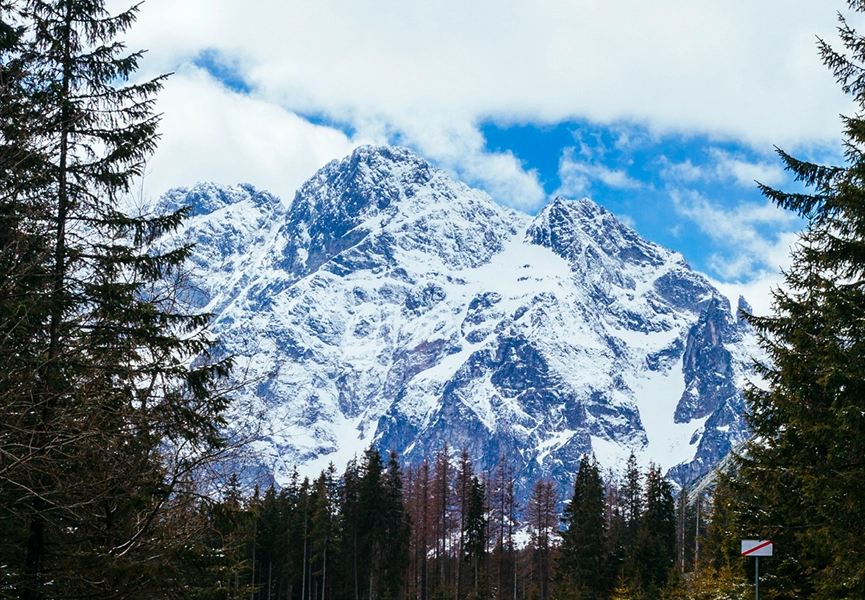
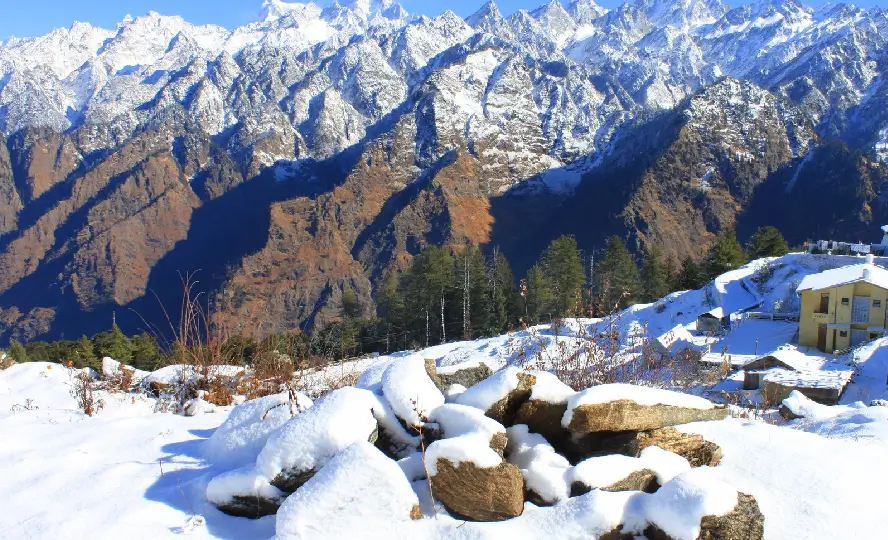
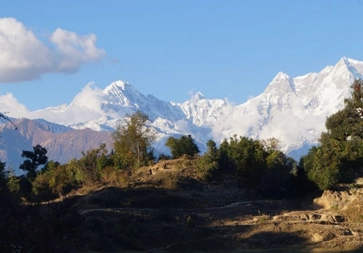
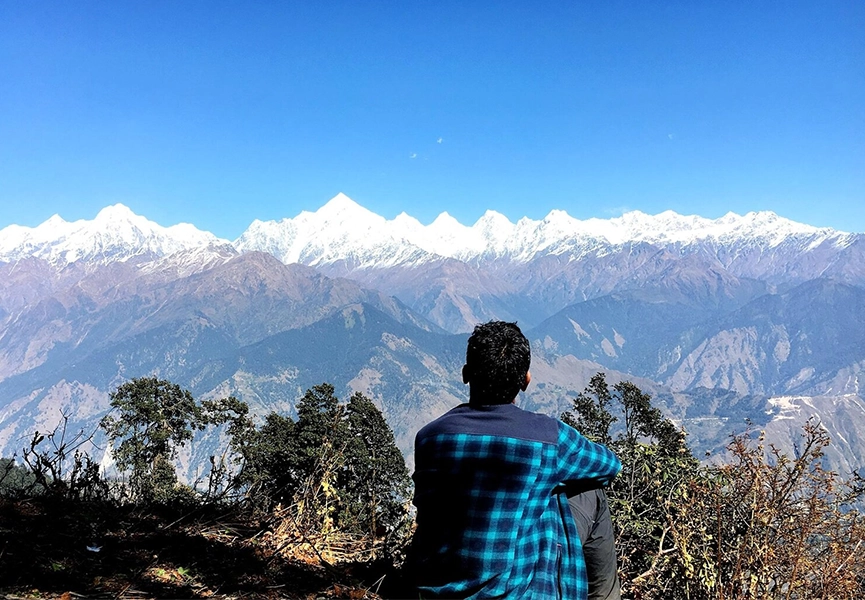
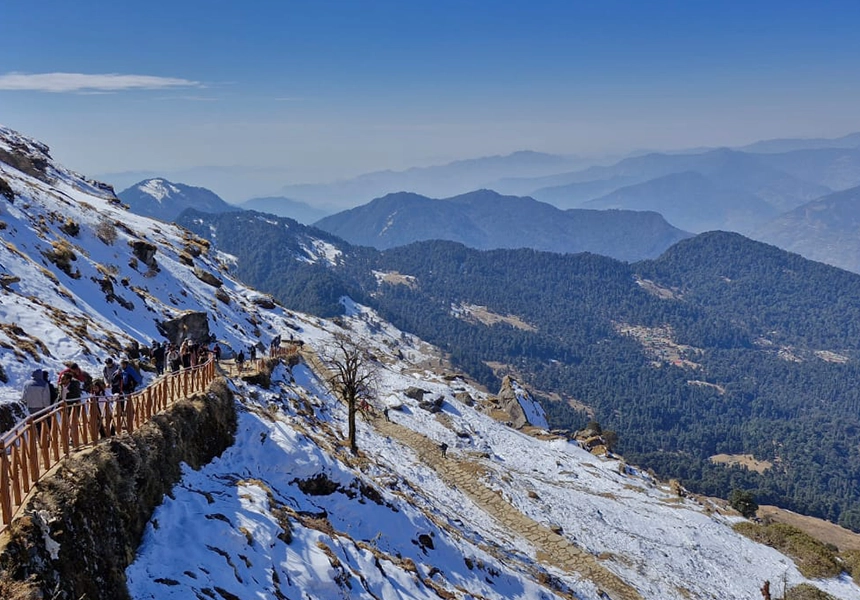
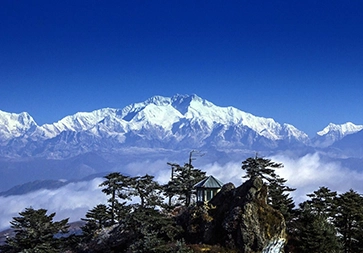
Mana Village is one of the most beautiful and culturally rich places in Uttarakhand. Located just 3 km from Badrinath Temple in Chamoli district, this small Himalayan village is officially known as the First Indian Village. Surrounded by snow-covered peaks, ancient caves, roaring rivers, and stories from the Mahabharata, Mana is much more than a sightseeing stop—it’s a place where mythology, history, and nature come together.

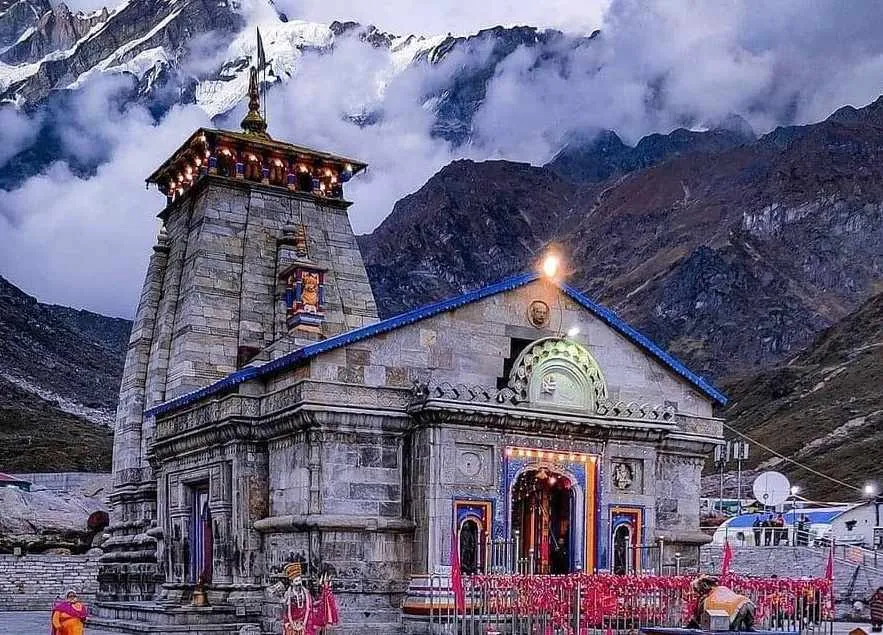
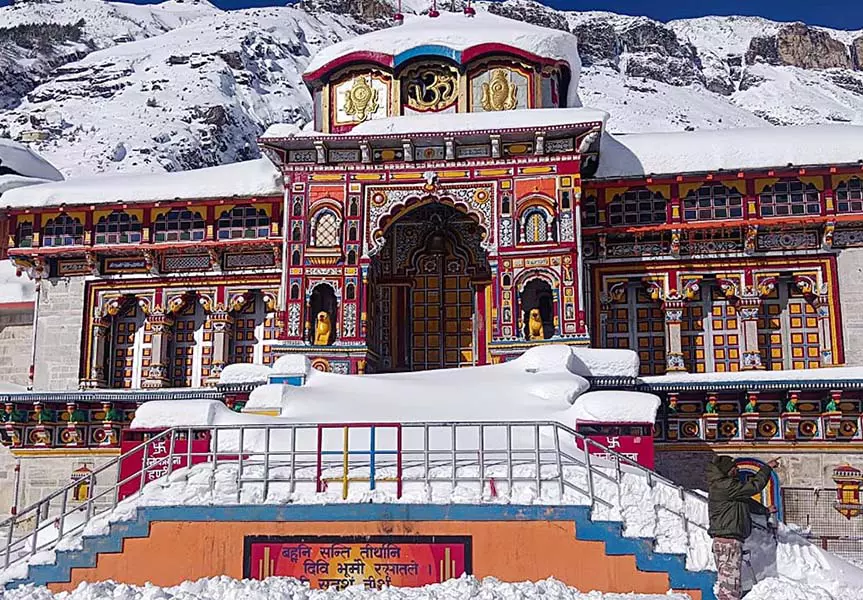
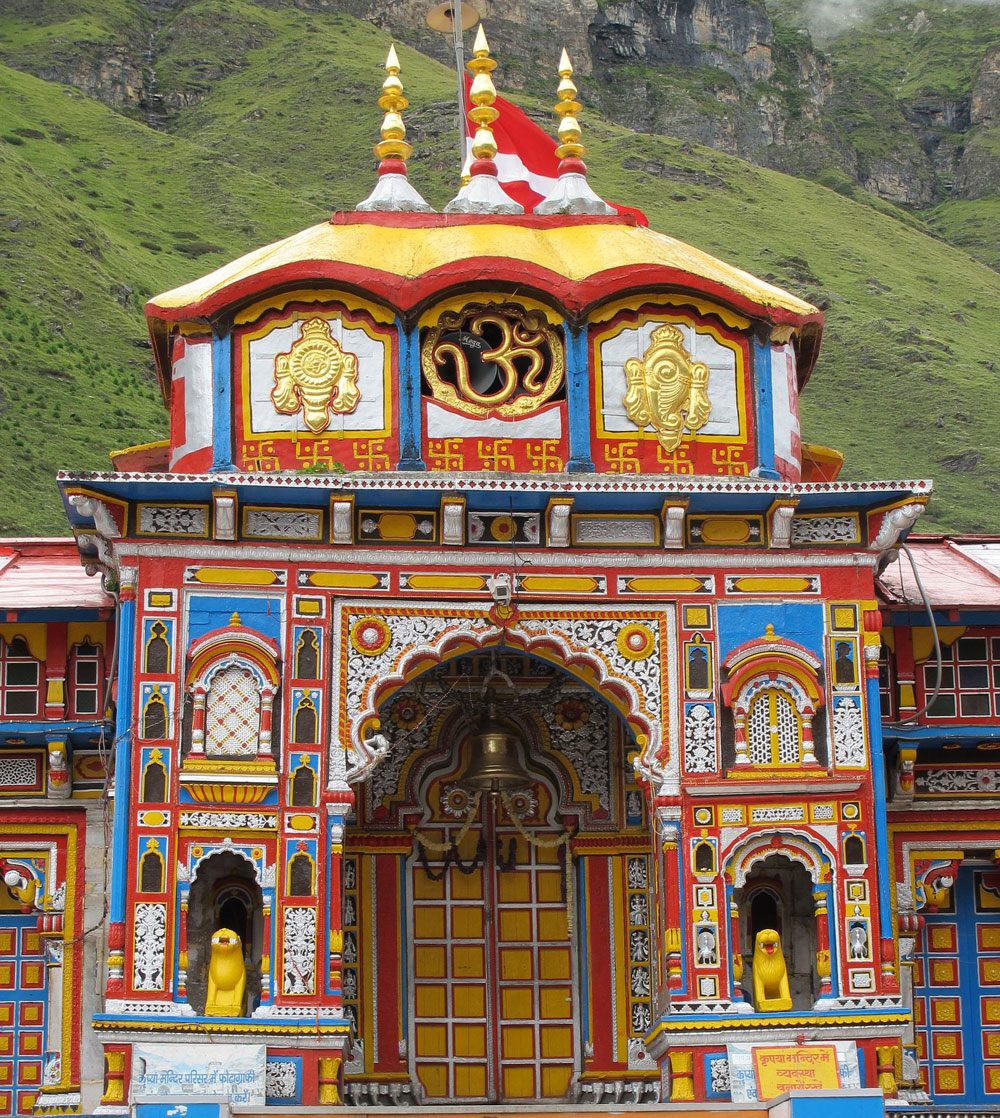
Most pilgrims visit Mana after taking the blessings of Lord Badrinath during the Char Dham Yatra. A short drive from the temple brings you to a village where every stone, cave, and trail has a story to tell. In your pilgrimage tour Package of Char Dham Yatra you get enough time to explore Mana Village comfortably after visiting Badrinath.

Why is Mana Village Famous?

Mana Village is famous for being the First Indian Village, its connection with the Mahabharata, and its breathtaking Himalayan surroundings. The village is home to the traditional Bhotia community and is known for attractions like Vyas Gufa, Ganesh Gufa, Bhim Pul, the Saraswati River, and the trekking route to Vasudhara Falls.

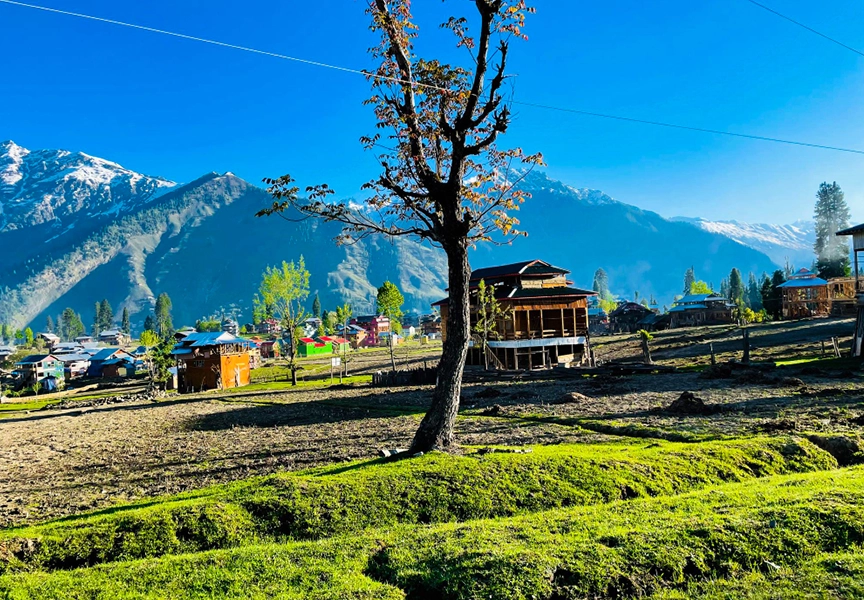
The peaceful atmosphere, traditional stone houses, and mountain views make Mana one of the most visited destinations near Badrinath.

First Indian Village, Not Last

For many years, Mana was popularly known as the “Last Indian Village” because it is the final inhabited village before the Indo-Tibetan border. Today, it is officially promoted as the First Indian Village by the Government of India, highlighting its cultural significance and welcoming travelers entering the Himalayan region.

Although many people still use the old name, “First Indian Village” is now the correct and official identity of Mana.

Location & Distance

Badrinath to Mana Village: 3 km

Joshimath to Mana Village: 45 km

Rishikesh to Mana Village: 295 km

Dehradun to Mana Village: 320 km

Elevation: Around 3,200 metres (10,500 ft)

The road remains open only during the pilgrimage season and generally closes during winter because of heavy snowfall.

History and Culture

Mana is home to the Bhotia community, who have lived in this region for generations. Earlier, local people traded with Tibet before the border was closed. Even today, visitors can see traditional stone houses, woollen handicrafts, handwoven carpets, and local products sold by village families.

Life here is simple, deeply connected with nature, and influenced by ancient Himalayan traditions.

Places to Visit in Mana Village

Bhim Pul

Bhim Pul is one of Mana’s most famous attractions. According to the Mahabharata, Bhima placed a massive rock across the Saraswati River to help Draupadi cross during the Pandavas’ final journey towards heaven.

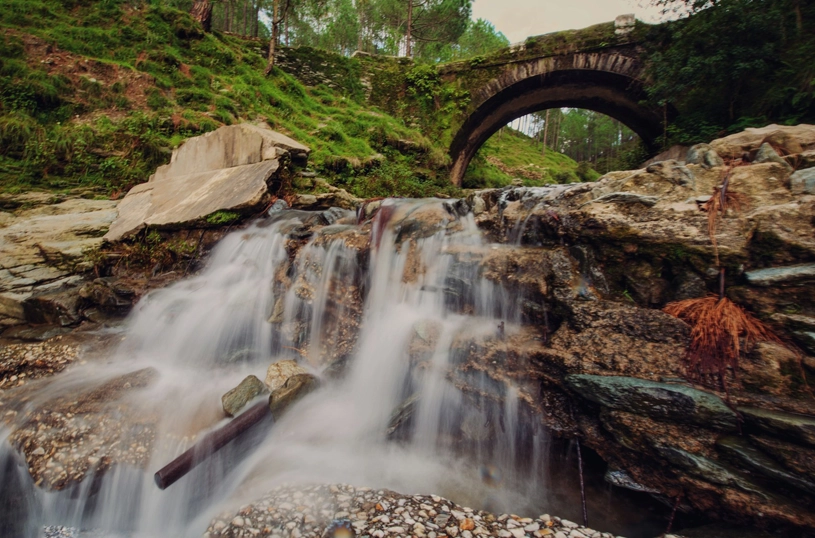
Whether you visit for mythology or photography, the powerful flow of the Saraswati River beneath the natural stone bridge creates an unforgettable view.

Vyas Gufa

Vyas Gufa is believed to be the cave where Maharishi Ved Vyasa composed the Mahabharata. It is one of the most sacred places in Mana Village and attracts pilgrims from across India.

The peaceful surroundings make it an ideal place for meditation and quiet reflection.

Ganesh Gufa

Located close to Vyas Gufa, this cave is associated with Lord Ganesha, who is believed to have written the Mahabharata as Maharishi Ved Vyasa dictated it.

Many visitors explore both caves together because they are only a short walk apart.

Saraswati River

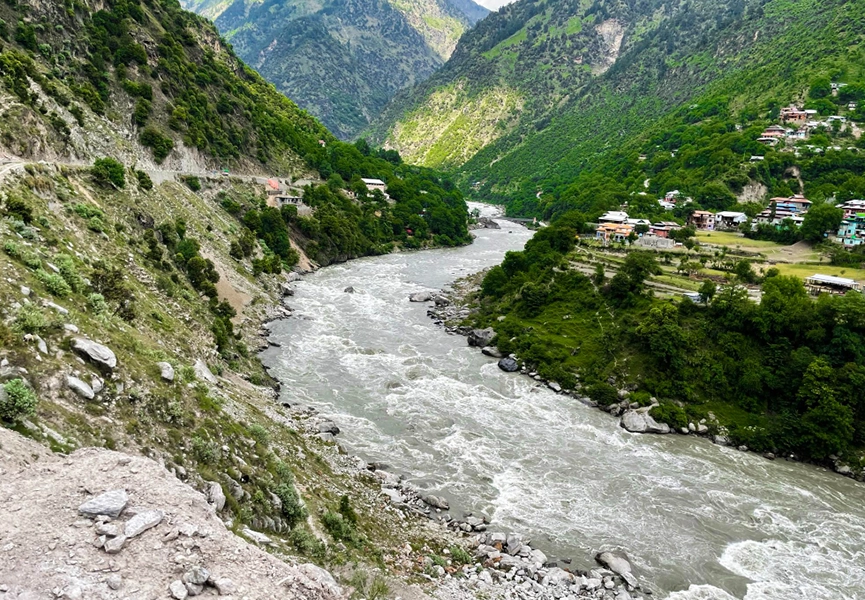
One of the most fascinating sights in Mana is the Saraswati River. The river emerges with tremendous force between the mountains before disappearing further downstream, adding to the mystery and spiritual importance of the place.

The sound of the rushing water can be heard throughout the area.

Vasudhara Falls

Around 6 km from Mana Village, Vasudhara Falls is a beautiful high-altitude waterfall that can be reached by a moderate trek.

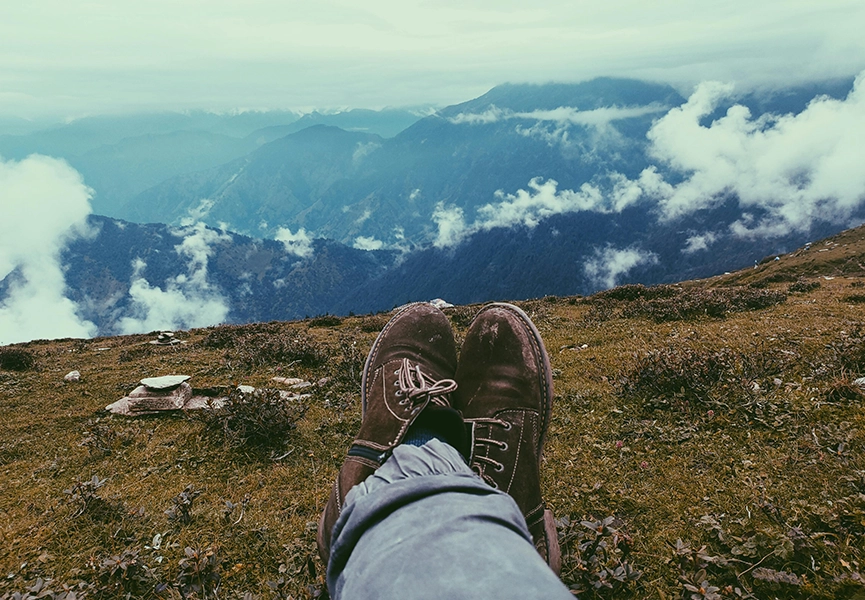
The route offers magnificent Himalayan views and is perfect for travellers who enjoy short mountain hikes.

Local Market

The village market is known for handmade woollen products, traditional shawls, caps, herbal items, and souvenirs prepared by local families.

Shopping here also supports the local community.

Best Time to Visit Mana Village

The best time to visit Mana Village is from May to October, when the roads remain open and the weather is pleasant.

May to June: Pleasant weather and clear mountain views.

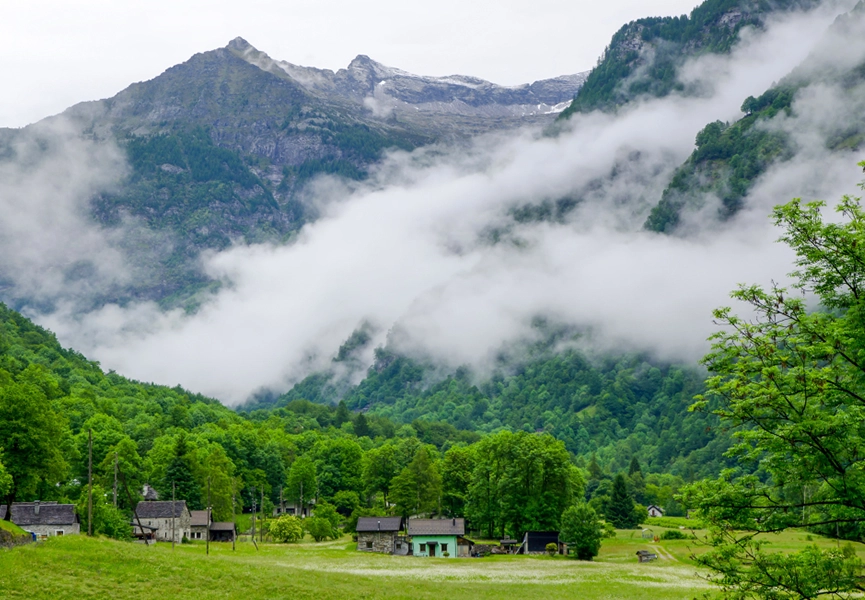
July to August: Green landscapes but occasional rainfall.

September to October: Crisp weather, fewer crowds, and excellent photography.

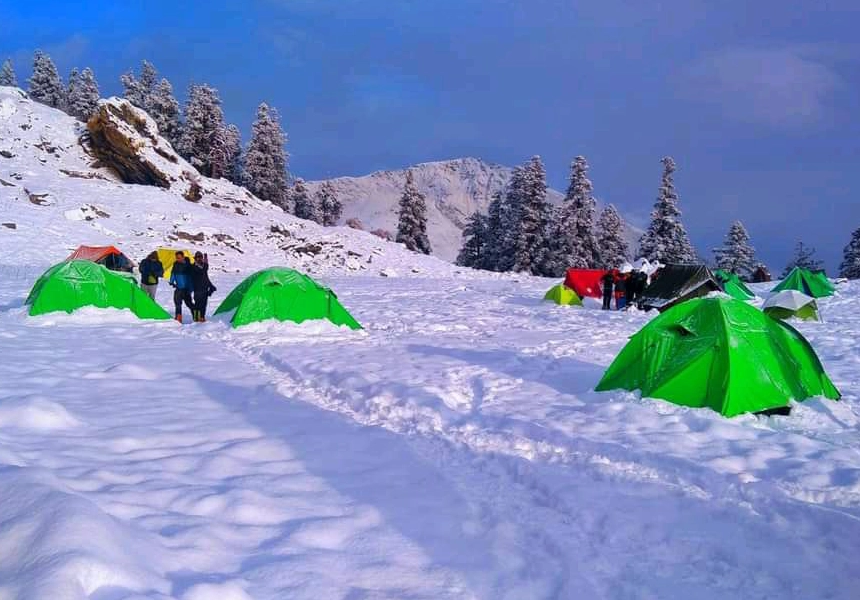
During winter, heavy snowfall usually makes the village inaccessible.

Things to Do in Mana Village

Visit Bhim Pul and witness the roaring Saraswati River.

Explore Vyas Gufa and Ganesh Gufa.

Walk through the traditional Himalayan village.

Shop for handmade woollen products.

Trek to Vasudhara Falls.

Enjoy panoramic Himalayan photography.

Experience the peaceful atmosphere after visiting Badrinath Temple.

Mana Village During Char Dham Yatra

Most travellers include Mana Village in their itinerary after visiting Badrinath Dham. Since it is only a few kilometres away, it is one of the easiest and most rewarding excursions during the pilgrimage.

If you are planning the complete pilgrimage, our Char Dham Tour Package allows you to comfortably visit Badrinath along with nearby attractions like Mana Village.

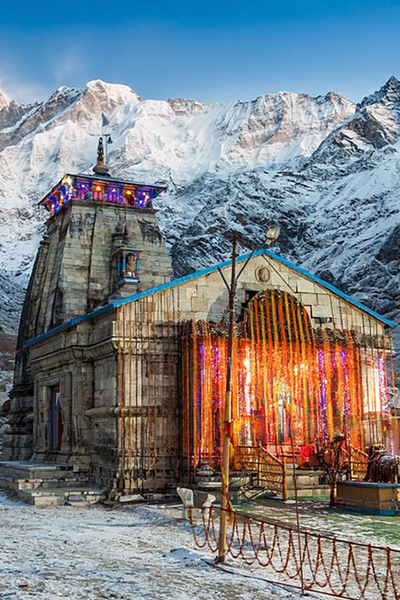
Travellers visiting only Kedarnath and Badrinath can also explore Mana as part of our Do Dham Yatra Package, making the journey even more memorable.

Travel Tips

Carry warm clothes even during summer.

Wear comfortable walking shoes.

Stay hydrated because of the high altitude.

Start your visit early in the day to avoid crowds.

Respect local traditions and religious places.

Avoid littering and help keep the Himalayas clean.

Frequently Asked Questions

Why is Mana Village famous?

Mana Village is famous as the First Indian Village, Bhim Pul, Vyas Gufa, Ganesh Gufa, Saraswati River, and its close connection with the Mahabharata.

How far is Mana Village from Badrinath?

Mana Village is approximately 3 km from Badrinath Temple.

Is Mana Village open throughout the year?

No. The village generally remains accessible from May to October. Heavy snowfall usually closes the road during winter.

Can Mana Village be visited during the Char Dham Yatra?

Yes. Most pilgrims visit Mana Village immediately after visiting Badrinath Temple because it is only a short drive away.

Is there any entry fee for Mana Village?

No, visiting Mana Village is free.

Plan Your Visit to Mana Village

A visit to Mana Village adds a unique experience to any journey in Uttarakhand. From ancient caves and mythological landmarks to Himalayan landscapes and local culture, the village offers something for every traveller.

Whether you’re travelling with family, friends, or on a spiritual pilgrimage, don’t miss the opportunity to explore India’s First Village. If you’re planning a pilgrimage, choose our Char Dham Tour Package or Do Dham Yatra Package to experience Badrinath and Mana Village together with a comfortable and well-planned itinerary.

Call Now Button