From
Duration
Tour Type
Pricing shown in our packages is based on a per-person rate and it is our starting price. Final price may vary depending on the number of travelers.
Pilgrims from South India, West India, East India, and NCR often reach Delhi first due to better flight availability, affordable fares, and reliable train connectivity. From here, the Char Dham Yatra unfolds gradually — allowing proper rest, controlled mountain entry, and a safer overall pilgrimage experience.
This page is created to explain how a Char Dham Yatra from Delhi actually works — including route logic, travel flow, recovery planning, and why a 12-day structure is essential for long-distance travelers. Instead of selling packages, this guide focuses on real planning clarity, helping pilgrims understand whether this journey style is right for them before moving forward.
Why Delhi Is the Most Practical Starting Point for the Chardham Yatra
Starting the Chardham Yatra from Delhi is not limited to NCR pilgrims alone.
In real-world travel planning, Delhi functions as the primary national gateway for Char Dham pilgrims coming from across India.
One of the biggest reasons is connectivity economics
For pilgrims traveling from cities like Bangalore, Hyderabad, Chennai, Kolkata, Mumbai, Ahmedabad, Bhopal, Indore, or Pune, flights to Delhi are:
- more frequent
- significantly cheaper
- available at better timings
In comparison, flights to Jolly Grant Airport are limited, expensive during the Char Dham season, and often subject to cancellations due to weather.
Similarly, when it comes to rail travel:
Direct trains from many major cities to Haridwar are limited and overbooked during yatra season
Trains to Delhi are far more frequent, with better seat availability and multiple route options
Because of this, pilgrims from South India, West India, and East India often prefer:
Flight or train to Delhi → planned onward journey to Haridwar → Char Dham Yatra
Delhi also allows groups arriving from different cities to assemble at one point, making it ideal for:
- large families
- mixed-city travel groups
- senior citizens who need structured movement
This is why a Delhi-based Char Dham Yatra is chosen not just for convenience, but for cost control, flexibility, and reliability.
Delhi to Haridwar: The Most Important Transition of the Chardham Yatra
The journey from Delhi to Haridwar may appear simple, but in practice it is the most decisive transition of the entire Char Dham Yatra.
The distance is approximately 230 km, yet the manner in which this distance is covered determines how the pilgrimage unfolds.
Understanding the Travel Options Clearly
Road Travel
Ideal for groups who want flexibility, luggage comfort, and a direct transition into Uttarakhand. However, it requires proper timing to avoid NCR congestion.
Train Travel
Preferred by senior citizens and long-distance travelers. Delhi offers far more train options than Haridwar as a boarding point, making journey planning easier.
Flight via Dehradun
Useful in limited cases, but weather dependency and onward road travel still make Haridwar the actual starting point.
What experienced planners focus on is not speed, but arrival condition
Pilgrims who reach Haridwar in a rushed or fatigued state often experience:
- disturbed sleep on the first night
- reduced stamina during the Yamunotri phase
- difficulty adjusting to mountain driving
A relaxed arrival in Haridwar allows:
- physical rest
- mental detachment from long-distance travel
- participation in the evening Ganga Aarti
- proper readiness for higher altitudes
This is why Delhi-to-Haridwar planning is treated as a foundation step, not a routine transfer.
For a broader understanding of how route planning affects the full yatra, see the
👉 Char Dham Yatra planning guide
Why a Chardham Yatra from Delhi Needs 12 Days (Not Less)
Short-duration Char Dham itineraries often look attractive online, but they rarely reflect on-ground Himalayan realities, especially when starting from Delhi.
A 12-day structure is not about extending the trip — it is about protecting the pilgrim.
1. Long-Distance Arrival Needs Recovery Time
Pilgrims arriving in Delhi from far-off cities have already spent:
multiple flight hours or
overnight train journeys
Immediate mountain travel without rest increases fatigue and health risk.
2. Haridwar and Rishikesh Play Different Roles
Haridwar acts as the spiritual and physical entry point
Rishikesh provides closure and recovery
Including both is especially important for pilgrims transitioning from busy urban life into and out of the Himalayas.
3. Kedarnath Requires Recovery, Not Rush
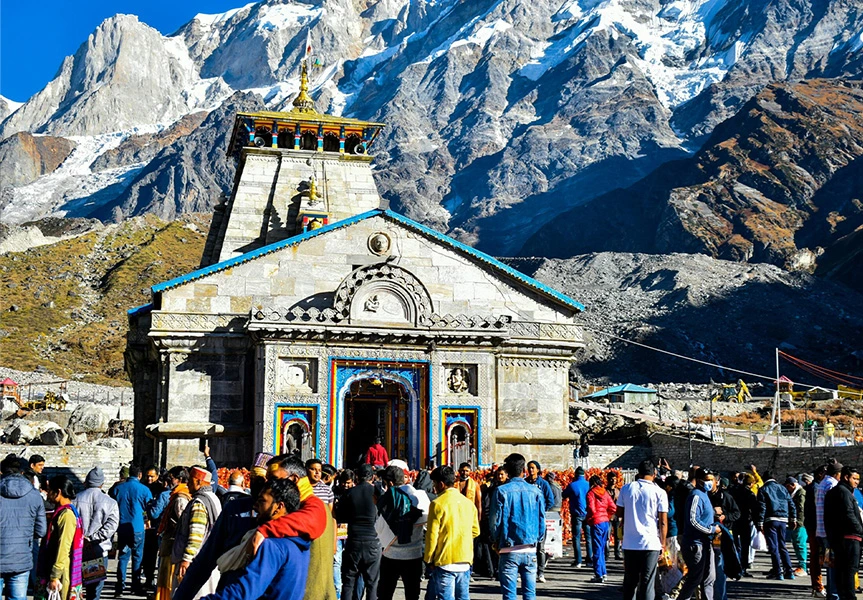
The Kedarnath phase is the most physically demanding part of the yatra.
Allowing buffer time here helps prevent:
exhaustion-related issues
unsafe return travel
cascading delays in later stages
4. Weather & Road Conditions Are Unpredictable
When starting and ending in Delhi, additional margin is essential to manage:
weather disruptions
landslide-prone routes
return travel commitments
A compressed schedule leaves no room for these realities.
For pilgrims coming from outside Uttarakhand, a 12-day Char Dham Yatra from Delhi is not slower — it is safer, calmer, and far more sustainable.
Understanding the Chardham Route When You Start from Delhi
When the Chardham Yatra begins from Delhi, the route is not chosen randomly or for distance convenience.
It follows a physiological and spiritual progression that becomes even more important for pilgrims arriving from long-distance cities.
Yamunotri Comes First – Preparing the Body
The yatra starts with Yamunotri because it introduces:
- controlled physical exertion
- manageable altitude
- short trekking exposure
For pilgrims coming from plains or metropolitan cities, this phase allows the body to adjust gradually before more demanding terrain.
Gangotri Follows – Settling the Mind
Gangotri is placed second to reduce physical stress while increasing mental calm.
The surrounding valleys and river flow create a slower rhythm, helping pilgrims recover from early fatigue without breaking momentum.
Kedarnath Comes Third – The Test Phase
Kedarnath is intentionally positioned after preparation and acclimatization.
By this stage, pilgrims are better equipped to handle:
- altitude
- cold conditions
- longer physical effort
Starting Kedarnath earlier in the route often leads to exhaustion — especially for travelers who have already spent long hours reaching Delhi.
Badrinath Is Last – Completion, Not Effort
Badrinath marks closure rather than challenge.
Ending the yatra here allows pilgrims to absorb the journey calmly, without the pressure of further trekking or extreme altitude.
This route sequence is particularly important when the journey begins from a national entry point like Delhi, where pilgrims arrive with varying travel fatigue levels.
What Makes the Delhi-Based Chardham Yatra Different from Other Starting Cities
A Chardham Yatra starting from Delhi follows a very different planning logic compared to starting directly from Haridwar or Dehradun.
Delhi vs Haridwar Start
Starting directly from Haridwar works best for pilgrims already nearby.
However, for travelers coming from South, West, or East India, reaching Haridwar often involves:
- limited train availability
- overcrowded routes during peak season
- rigid travel timing
Delhi, on the other hand, allows:
- flexible arrival options
- better coordination for group travel
- overnight rest before entering Uttarakhand
This makes the transition into the mountains smoother and safer.
Delhi vs Dehradun Start
While Dehradun has an airport, it is not always practical for long-distance pilgrims.
Flights are fewer, weather-dependent, and significantly costlier during the yatra season.
Delhi offers:
- multiple daily flights from all major cities
- better buffer management for delays
- easier regrouping if flights or trains arrive at different times
For pilgrims traveling across states, a Delhi-based start is not longer — it is more controllable.
Ganga Aarti in Haridwar & Rishikesh: Why It Matters in a Delhi-Based Yatra
One of the most overlooked strengths of a Delhi-based Chardham Yatra is the inclusion of two Ganga Aartis, each serving a different purpose.
Haridwar – Mental Transition into Pilgrimage
After long-distance travel, pilgrims arrive with mental noise — deadlines, travel fatigue, and routine stress.
The Ganga Aarti in Haridwar helps create a clear psychological shift from travel mode to yatra mode.
This grounding is especially important for pilgrims arriving from:
- large metropolitan cities
- corporate environments
- long train or flight journeys
Rishikesh – Emotional Closure After Completion
Ending the yatra in Rishikesh provides space for reflection rather than rush.
After Kedarnath and Badrinath, pilgrims often need time to absorb the experience before returning to city life.
For Delhi-based journeys, this closure reduces:
- emotional fatigue
- physical strain during return travel
- abrupt transition back into routine
This is why the Haridwar–Rishikesh framing works especially well for pilgrims starting and ending in Delhi.
Who Should Choose This Chardham Yatra Package from Delhi
Ideal For
- Families traveling from Delhi NCR or other Indian cities
- Corporate professionals coordinating limited leave periods
- Elderly pilgrims needing structured pacing
- First-time yatris unfamiliar with Himalayan travel
This structure prioritizes predictability, rest, and adjustment time.
Not Ideal For
- Travelers seeking ultra-fast completion
- Helicopter-only itineraries
- Luxury-focused sightseeing trips
Honest segmentation improves safety and overall satisfaction.
Travel, Stays & Reality for Delhi Pilgrims in the Himalayas
Pilgrims starting from Delhi must be prepared for real Himalayan travel conditions, not city-based expectations.
Long Drives Are Inevitable
Mountain routes involve slower speeds, weather interruptions, and variable road conditions.
Planning focuses on manageable daily travel, not distance alone.
Accommodation Is Location-Driven
In remote areas, hotels are chosen for:
safety
proximity to temples or routes
availability during peak season
Star categories matter less than reliability.
Network Connectivity Is Limited
Mobile signals are inconsistent across large sections of the route.
Pilgrims should plan communication accordingly.
Planning Matters More Than Comfort
In a Delhi-based Chardham Yatra, success depends more on:
- route timing
- rest placement
- buffer days
than luxury amenities.
Chardham Yatra Package from Delhi – Cost Logic (Not Price)
A Chardham Yatra that starts and ends in Delhi naturally follows a different cost structure than trips beginning closer to the mountains. Understanding this logic helps pilgrims make informed decisions rather than comparing prices blindly.
Why Delhi-Based Yatra Costs More Than a Haridwar Start
When the journey begins from Delhi, the travel scope expands significantly. The vehicle, driver, and operational support are engaged for a longer total duration, not just the Himalayan circuit.
Key factors include:
- Extended road distance (Delhi → Haridwar → Char Dham → Delhi)
- Additional driver working days, including rest and night halts
- Fuel costs across plains and mountain terrain
- Return journey logistics, which are not required in Haridwar-only starts
This additional planning ensures continuity, safety, and accountability throughout the journey.
Seasonal Pricing Logic
Char Dham Yatra costs are not fixed year-round. Pricing varies based on:
- peak yatra months (May–June)
- post-monsoon window (September–October)
- hotel availability in remote regions
- road and weather conditions affecting travel time
Rather than focusing on a single number, it is more accurate to understand that Delhi-based packages reflect complete end-to-end responsibility, not just temple-to-temple transport.
Before You Book: What Delhi Travelers Must Understand
Pilgrims starting the Char Dham Yatra from Delhi often travel long distances before the yatra even begins. Preparing for this reality makes the journey safer and more fulfilling.
Important considerations:
- Physical fitness matters more than age; basic walking ability and stamina are essential
- Weather delays are common in the Himalayas and can alter plans without notice
- Leave planning should include buffer days beyond the scheduled itinerary
- Buffer days are crucial when returning to Delhi, especially for working professionals
Accepting these factors in advance prevents stress and disappointment during the yatra.
Related Planning Resources
For pilgrims who want a deeper understanding before finalizing travel plans, the following resources provide detailed and practical guidance:
Complete Char Dham Yatra packages
https://travelophila.com/chardham-tour-packages/
Helicopter option overview (for Kedarnath and time-sensitive pilgrims)
https://travelophila.com/chardham-yatra-package-by-helicopter/
Mandatory registration guide (official process, dates, and requirements)
https://travelophila.com/chardham-yatra-registration-complete-guide-process-dates-official-link/
These pages are designed to complement this guide and help pilgrims plan responsibly.
Frequently Asked Questions – Chardham Yatra from Delhi
1. Is starting the Chardham Yatra from Delhi suitable for pilgrims outside NCR?
Yes. Delhi is a national travel hub with better flight and train connectivity than Haridwar or Dehradun, making it practical for pilgrims from South, West, and East India.
2. Why do many pilgrims prefer Delhi over Dehradun airport?
Flights to Dehradun are limited, weather-dependent, and often expensive during the yatra season. Delhi offers more frequent and economical options.
3. How long does it take to reach Haridwar from Delhi?
The distance is approximately 230 km and usually takes 5–6 hours by road, depending on traffic and departure time.
4. Is the 12-day duration necessary for a Delhi-based Chardham Yatra?
Yes. The extra days allow proper rest after long-distance arrival, recovery after Kedarnath, and buffer for weather-related delays.
5. Is this yatra suitable for senior citizens?
Senior citizens with basic mobility and medical fitness can undertake the yatra, provided they understand the physical demands and pacing involved.
6. Does the Delhi-based yatra include both Haridwar and Rishikesh?
Yes. Including both allows spiritual grounding at the start and emotional closure at the end of the journey.
7. Are road conditions challenging during the Chardham Yatra?
Mountain roads can be slow and weather-affected. Planning focuses on manageable daily travel rather than distance alone.
8. Is network connectivity available throughout the route?
Mobile network coverage is inconsistent in many Himalayan regions. Pilgrims should plan communication accordingly.
9. Can the itinerary change due to weather?
Yes. Weather conditions can require route or schedule adjustments. Flexibility is essential during the Char Dham Yatra.
10. Where can I find complete route options and variations?
All route variations, starting city options, and planning formats are explained in the Complete Char Dham Yatra packages guide linked above.
Included/Exclude
Inclusions
- Comfortable transportation throughout the journey.
- Morning and night meals:
- Accommodation in cozy hotels or camps.
- All toll and parking charges.
Exclusions
- Meals in Kedarnath.
- Train or flight tickets.
- Pony, doli, horse, or helicopter tickets.
- Lunch and extra meals.
- Travel insurance.
- Expenses due to unforeseen natural events (e.g., roadblocks, additional stay).
One thought on “Chardham Yatra Package from Delhi”
Add a Comment Cancel reply
We do not share your personal information with anyone/ third Party wihout your consent. We only take your contact details to share you our tour package details.
5
Superb arrengement and good hospitality great experience.Very cooperative staff I will recommend travelophila to all