Real Do Dham Yatra Experience: How Damini Ji’s Kedarnath–Badrinath Journey Changed During the May Rush
A pilgrimage to Kedarnath and Badrinath can be planned carefully before leaving home, but anyone who has travelled during the peak Char Dham season knows that conditions in the mountains can sometimes change the plan.
Damini Ji and her group of four adults travelled with Travelophila from 24 May to 29 May 2026 for a six-day Do Dham Yatra from Haridwar. Their original itinerary covered Kedarnath and Badrinath with private transportation, accommodation, breakfast and dinner.
The route had been planned well in advance.
But the extraordinary pilgrim rush around Sonprayag and Gaurikund changed their schedule from the second day itself.
What followed was not the exact itinerary written in their booking confirmation. Accommodation had to be changed, travel timings shifted, and our driver and tour coordinator had to make decisions according to the situation on the ground.
Damini Ji and her companions ultimately completed darshan at both Kedarnath and Badrinath and returned to Haridwar.
This is the actual story of their journey.
Travellers planning the same pilgrimage can check our Do Dham Yatra Package for current Kedarnath and Badrinath routes, inclusions and package options.
Damini Ji’s Do Dham Yatra at a Glance
| Travel Dates | 24–29 May 2026 |
|---|---|
| Duration | 6 Days / 5 Nights |
| Travellers | 4 Adults |
| Starting Point | Haridwar |
| Ending Point | Haridwar |
| Main Dhams | Kedarnath & Badrinath |
| Vehicle | Private Swift Dzire |
| Original Package Price | ₹14,500 per person |
| Final Price Paid | ₹12,000 per person |
| Tour Coordinator | Shubhank Maithani |
| Driver | Mr. Vicky Rawat |
| Sersi Stay | Adiyogi |
| Kedarnath Stay | Adjusted during the journey due to peak-season conditions |
| Badrinath Stay | Thumma Palace |
What Was Originally Planned for Their 6-Day Do Dham Yatra?
When the booking was confirmed, the itinerary was straightforward.
- Day 1: Haridwar → Sersi via Devprayag Sangam and Maa Dhari Devi Temple
- Day 2: Sersi → Gaurikund → Kedarnath, with overnight stay near Kedarnath Temple
- Day 3: Kedarnath darshan → Sersi
- Day 4: Sersi → Badrinath via Narsingh Devta Temple, Joshimath
- Day 5: Badrinath darshan → Mana Village → Pipalkoti
- Day 6: Pipalkoti → Haridwar
Private transportation by Swift Dzire, hotel accommodation, breakfast and dinner, toll taxes, parking and driver allowances were included.
Meals at Kedarnath and pony, palki/doli or helicopter services were not part of the package.
The itinerary looked comfortable for six days.
The actual journey turned out quite differently.
Day 1 – Haridwar to Sersi via Devprayag and Dhari Devi
The group started from Haridwar and travelled into the Garhwal Himalayas towards Sersi.
Their first day included two important stops along the route.
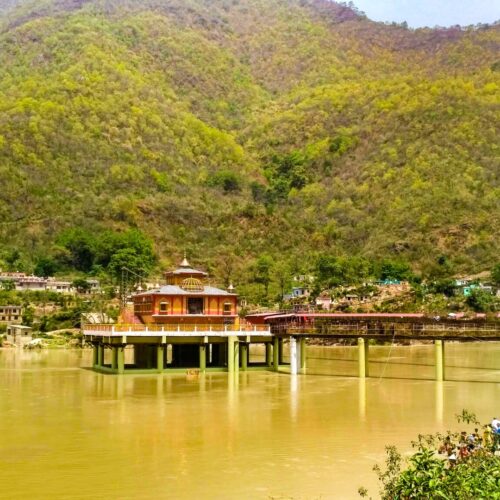
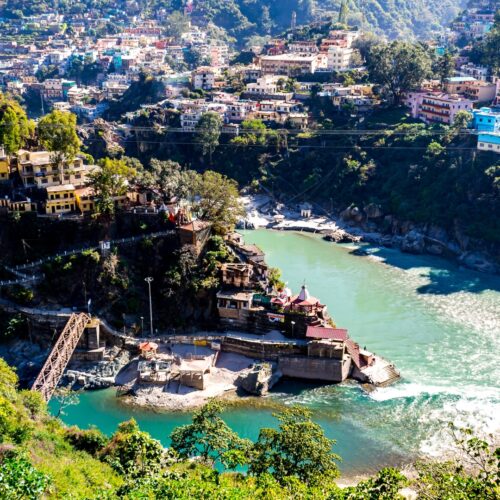
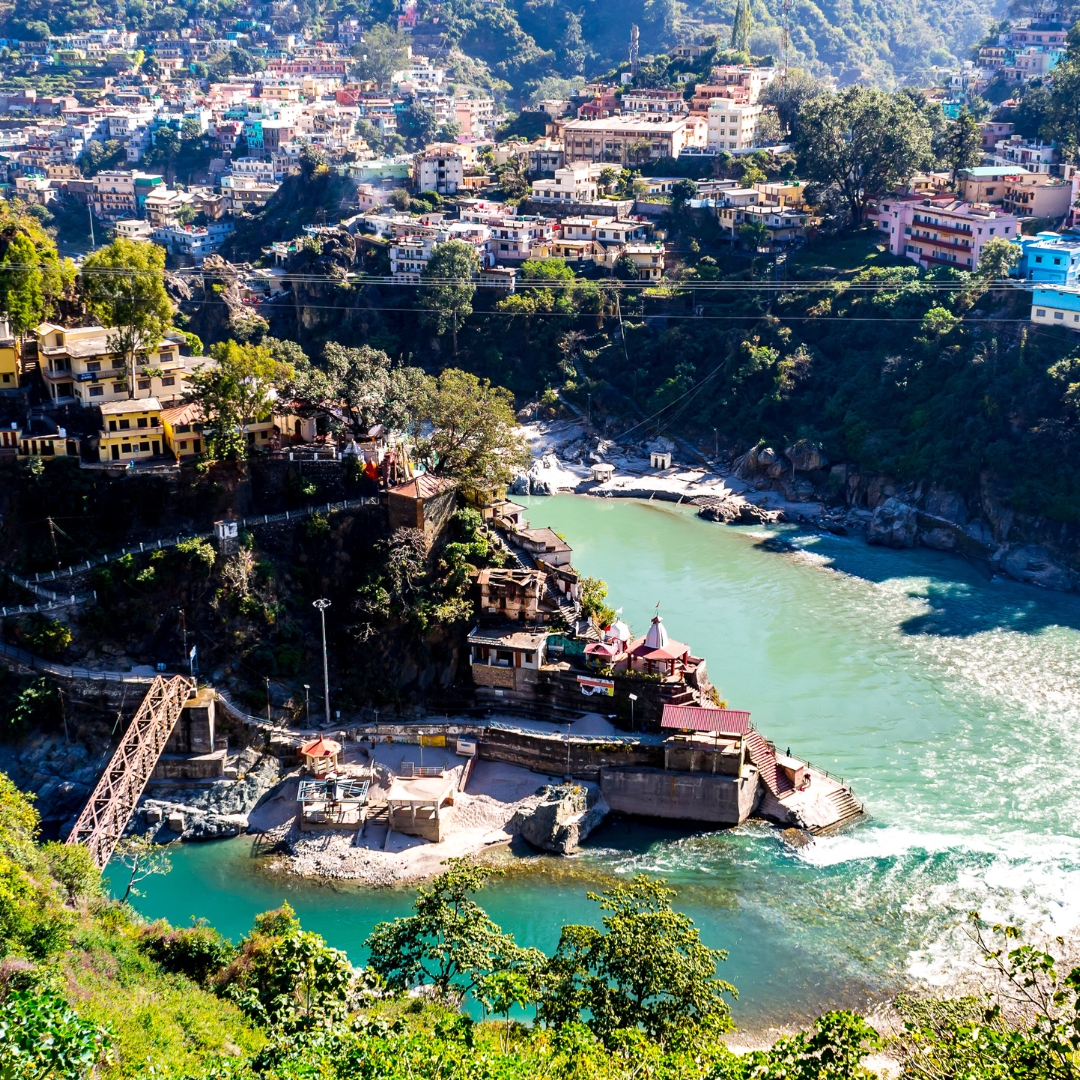
At Devprayag, they visited the sacred confluence of the Bhagirathi and Alaknanda rivers. From here, the river is known as the Ganga.
They also stopped for darshan at Maa Dhari Devi Temple before continuing towards the Kedarnath region.
The first day went according to plan, and the group stayed at Adiyogi in Sersi.
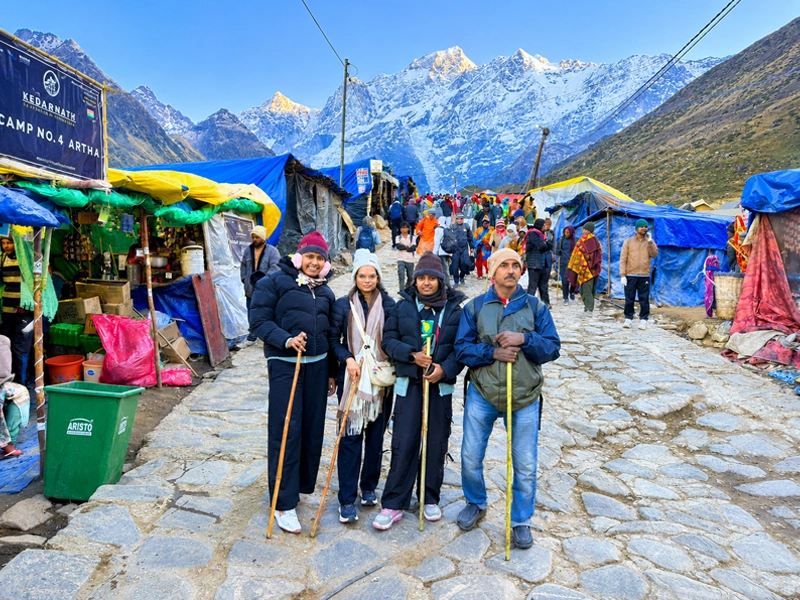
Day 2 – When the Kedarnath Rush Changed the Entire Plan
Day 2 was supposed to take the group from Sersi towards Gaurikund and then onwards to Kedarnath.
They left Sersi at approximately 5:00 AM.
Sersi and Sonprayag are geographically close, but during peak pilgrimage periods, kilometres alone do not tell you how long the journey will take.
The enormous pilgrim rush, traffic regulation, waiting periods and onward movement towards Gaurikund created a very different situation that day.
Despite leaving early in the morning, the group eventually reached Gaurikund at around 5:30 PM.
By then, continuing the trek to Kedarnath and reaching their pre-booked accommodation that night was no longer a sensible option.
This was the first major change to the original itinerary.
Their Kedarnath Accommodation Was Already Booked – So What Could We Do?
This is where planning a Himalayan pilgrimage differs from planning an ordinary holiday.
The group’s accommodation at Kedarnath had already been reserved.
May is one of the busiest periods of the Kedarnath Yatra, and accommodation around the temple is limited. Same-day cancellations during peak demand can therefore be difficult.
Damini Ji contacted us while the situation was developing.
Because our team works locally in Uttarakhand and had an existing working relationship with the accommodation provider at Kedarnath, we coordinated directly regarding their booking.
The Kedarnath stay for that night was adjusted, and instead of forcing the travellers to continue trekking after such a long and exhausting day, a stay was arranged for them at Gaurikund.
They could rest and start the Kedarnath journey the following day.
That decision changed the remaining itinerary, but it was safer and more practical than trying to follow the original schedule simply because it had been printed in the booking confirmation.
What This Day Taught Us About Peak-Season Kedarnath Travel
One of the biggest lessons from Damini Ji’s journey is simple:
Do not calculate a Kedarnath itinerary only by looking at distance on Google Maps.
The mountain road may show a short distance, but during heavy Yatra traffic, actual movement can depend on crowd control, traffic management, local transport arrangements and conditions around Sonprayag and Gaurikund.
If you are planning Kedarnath during a busy period:
- Keep some flexibility in your itinerary.
- Start as early as practical.
- Do not make tightly timed onward plans immediately after Kedarnath.
- Expect longer queues during high-demand pilgrimage dates.
- Keep your accommodation and transportation contacts accessible.
- Remember that weather, traffic and administration can change the day’s schedule.
No tour operator can control the crowd at Kedarnath or guarantee how quickly a temple queue will move.
What a local team can do is respond when the situation changes.
That distinction became particularly important during this journey.
Day 3 – Gaurikund to Kedarnath
After staying overnight at Gaurikund, the group began their journey towards Kedarnath the following day.
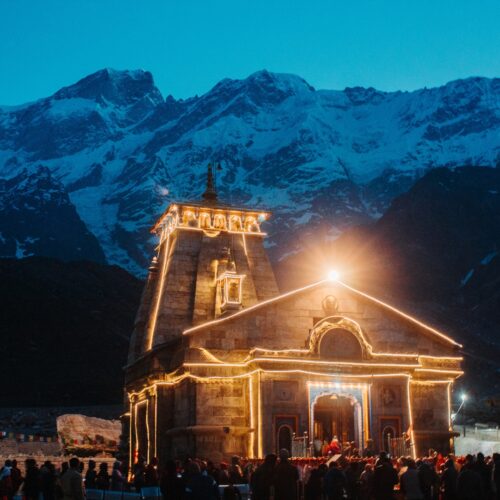
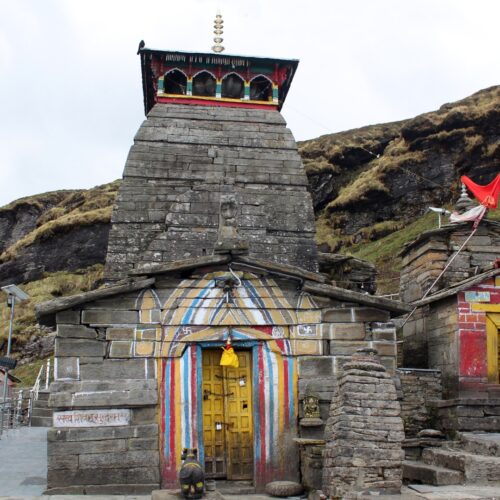
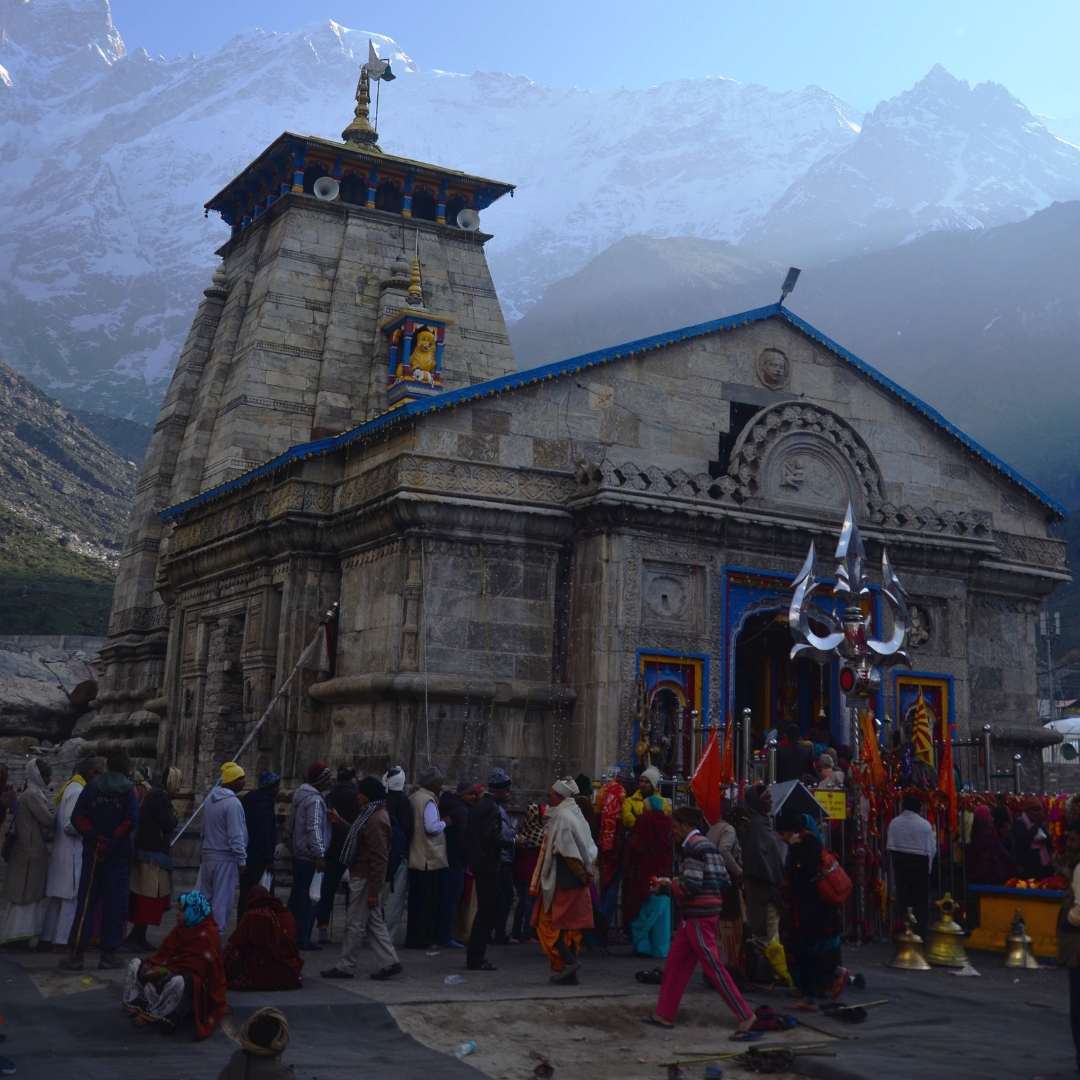
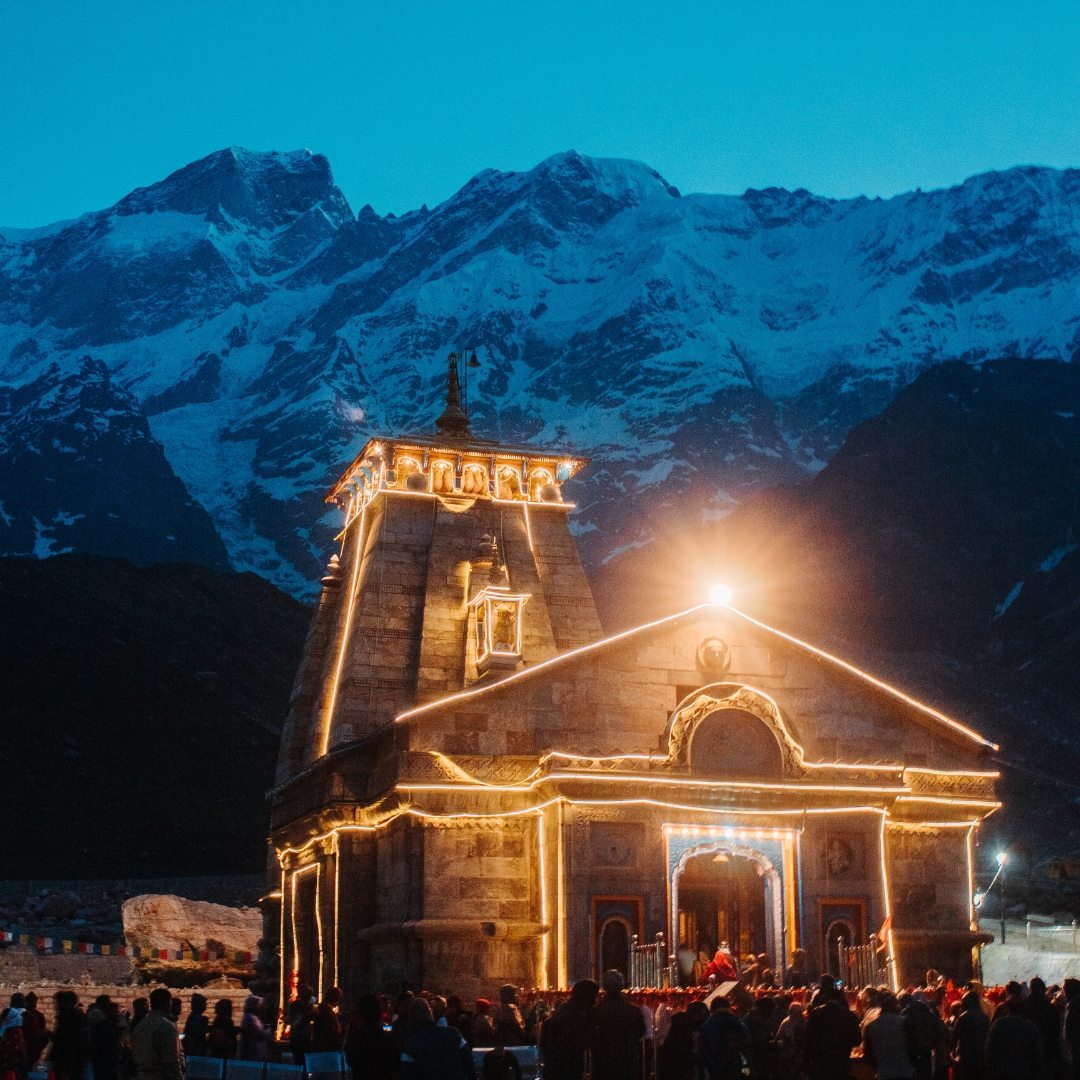
This time, they successfully reached Shri Kedarnath Dham.
After the difficulties of the previous day, finally arriving in the temple valley was an important moment for everyone in the group.
They attended the evening Aarti at Kedarnath and stayed overnight in a camp.
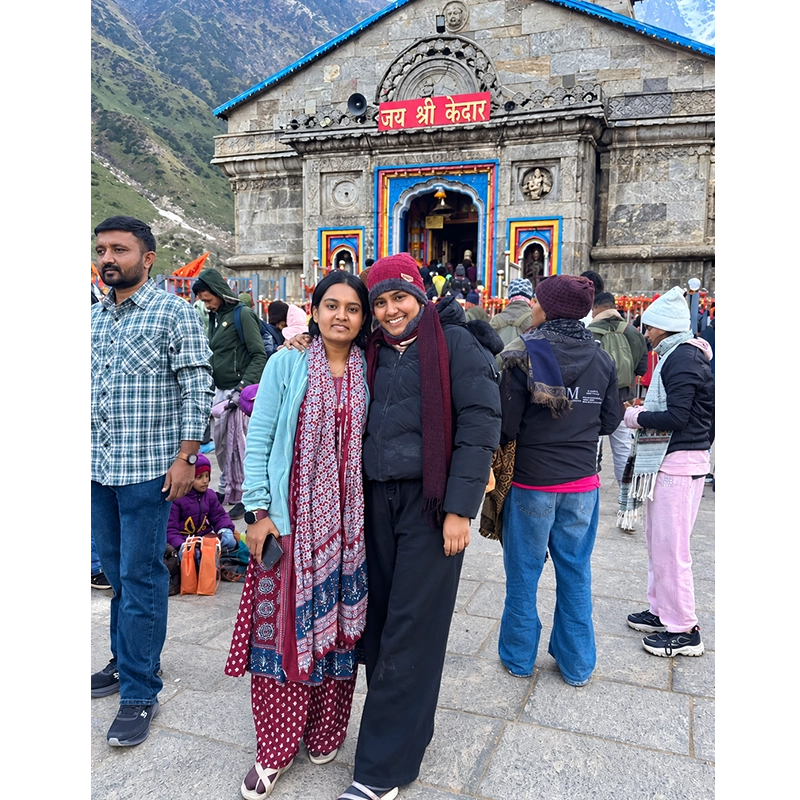
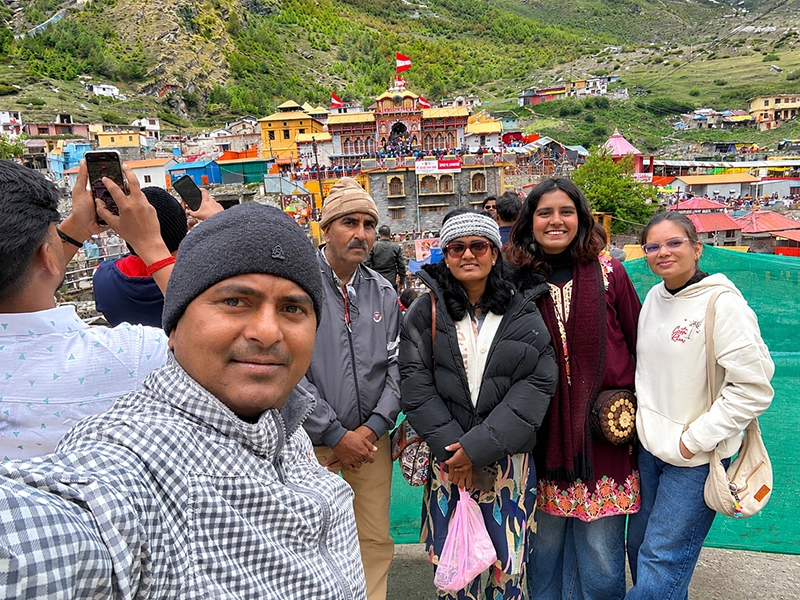
This photograph is also an important reminder of something polished itineraries often fail to show: Kedarnath is not simply a temple visit.
Getting there can involve long waiting periods, physical effort, changing weather and a demanding mountain journey.
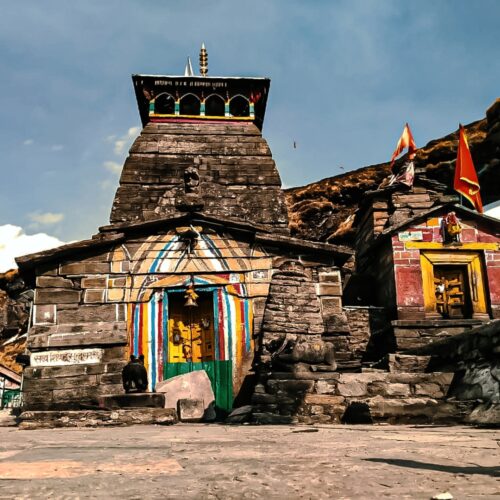
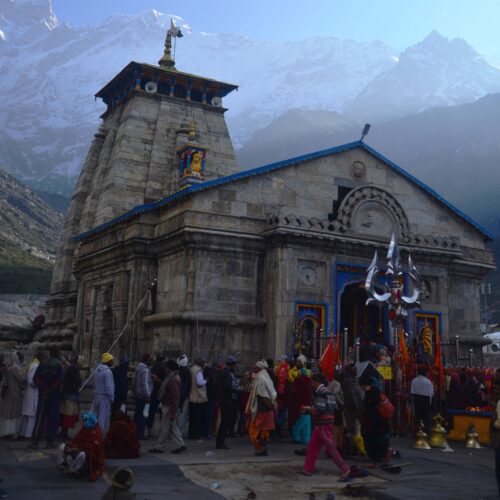
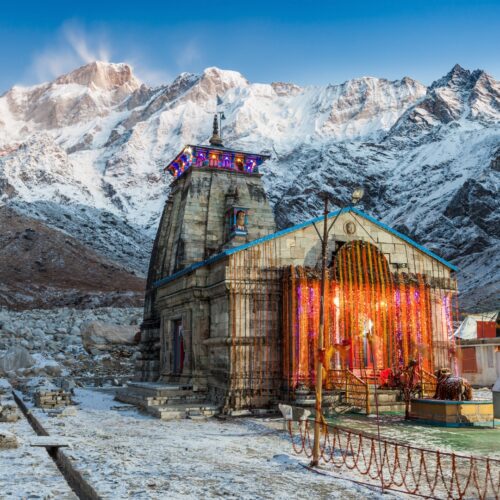
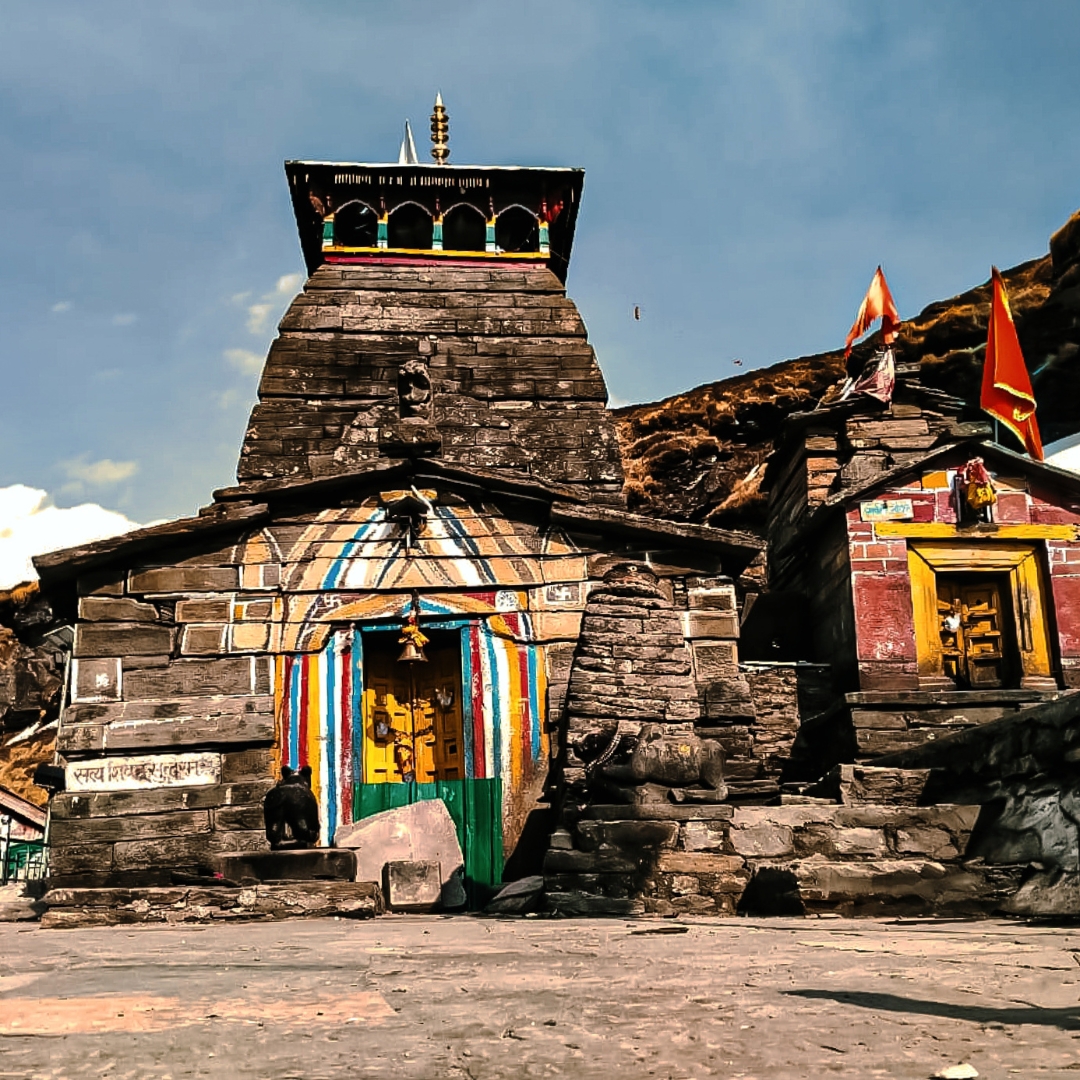
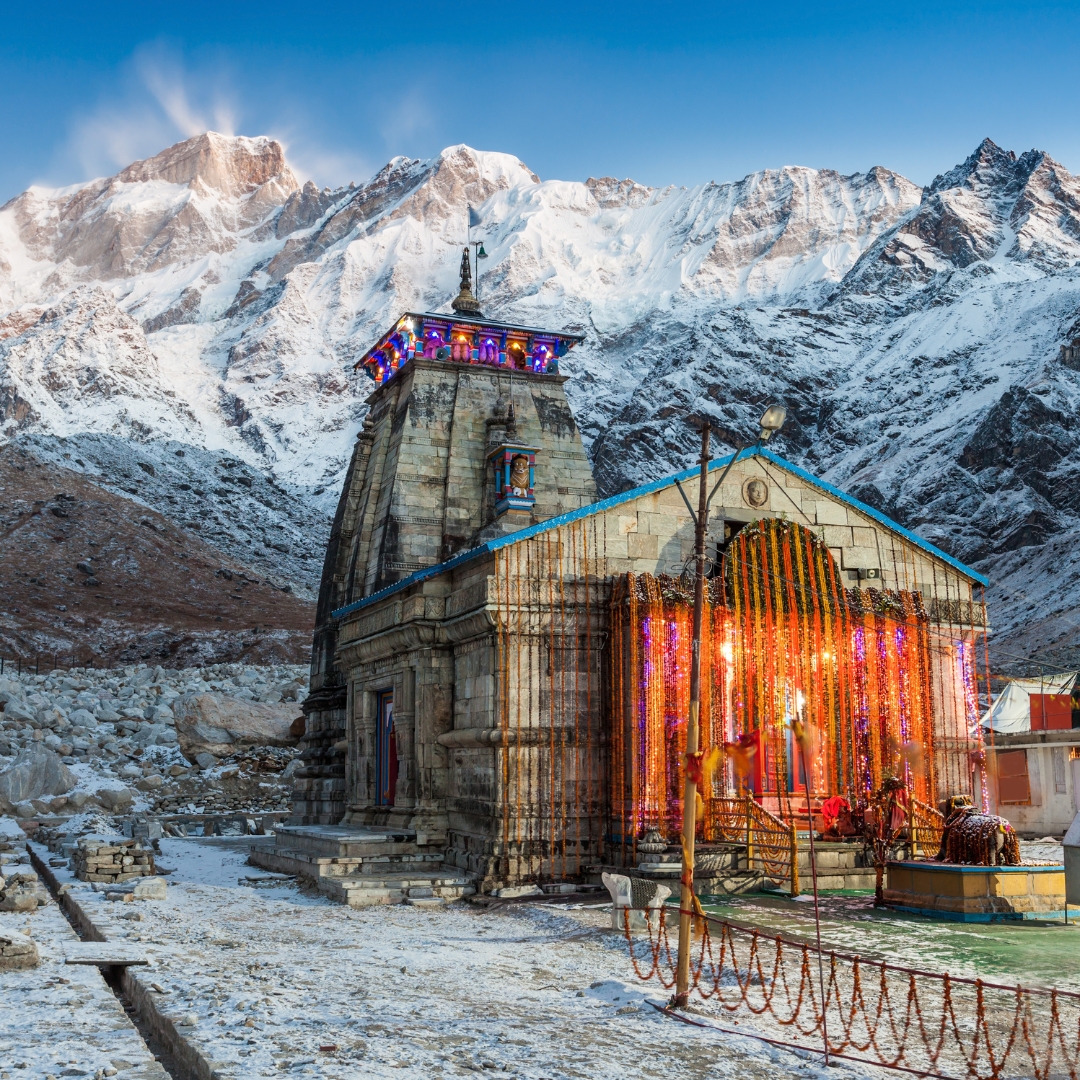
Reaching Shri Kedarnath Temple
The following photograph was taken at Kedarnath during the group’s journey.
These are the photographs we value most when documenting our tours because they show the journey as it actually happened rather than relying on generic stock photographs of Uttarakhand.
Day 4 – The Kedarnath Darshan Queue Was Longer Than Expected
The group still had one of the most important parts of the pilgrimage ahead of them: darshan inside Kedarnath Temple.
There was a substantial pilgrim queue that morning.
Rather than rushing the group because the original itinerary said they should already be returning to Sersi, the priority remained completing their Kedarnath darshan.
After darshan, they began the long journey back towards Gaurikund and Sonprayag.
Once again, the heavy crowd affected their timings considerably.
The group eventually reached Sonprayag at approximately 3:00 AM the following morning.
And that created another practical problem.
Who Would Pick Them Up From Sonprayag at 3 AM?
Driving in Uttarakhand’s mountain regions requires different considerations from driving in a city.
Drivers generally try to avoid unnecessary movement on mountain roads at extremely late hours, particularly after already working through a long Yatra schedule.
The group’s driver, Mr. Vicky Rawat, had been coordinating their transportation throughout the journey.
When the travellers finally reached Sonprayag at around 3:00 AM, Vicky came to receive them.
The group returned to the same property at Adiyogi, Sersi, where they were able to rest for a few hours before continuing their journey.
This particular incident later became even more meaningful when we read Damini Ji’s Google review.
She specifically mentioned Vicky Bhaiya’s patience, friendly nature and experience driving on Uttarakhand’s mountain roads.
Why an Experienced Local Driver Matters on a Do Dham Yatra
A private vehicle is only one part of the transport arrangement.
The person driving it matters just as much.
Routes towards Kedarnath and Badrinath involve mountain roads, changing traffic conditions, long operating days and frequent adjustments during the pilgrimage season.
An experienced Uttarakhand driver understands that a Yatra does not always move according to the clock.
In this journey, Vicky’s role was not limited to taking the group from one hotel to another. He had to coordinate with their actual movement and adjust pickup timings when the Kedarnath crowd delayed them considerably.
Damini Ji later highlighted exactly this point in her review.
Day 5 – From Sersi to Badrinath via Narsingh Temple
After resting for a few hours at Sersi, the journey continued towards Badrinath.
On the way, the group visited Narsingh Devta Temple at Joshimath, an important temple associated with the Badrinath pilgrimage.
They then continued towards Badrinath and stayed at Thumma Palace.
Again, the timings were no longer identical to those in the original itinerary.
But the objective remained unchanged:
Complete both Kedarnath and Badrinath properly rather than rush from one destination to another simply to keep the original schedule intact.
Day 6 – Badrinath Darshan, Mana Village and Return to Haridwar
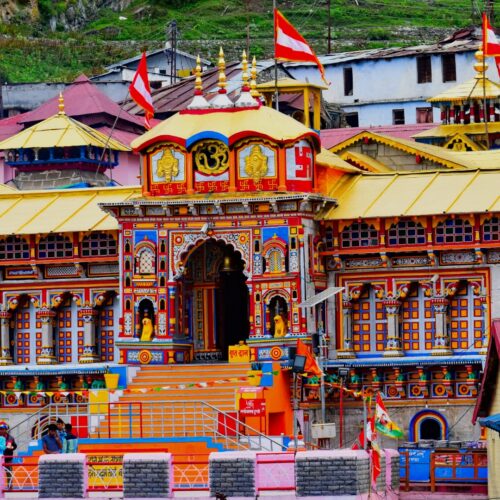
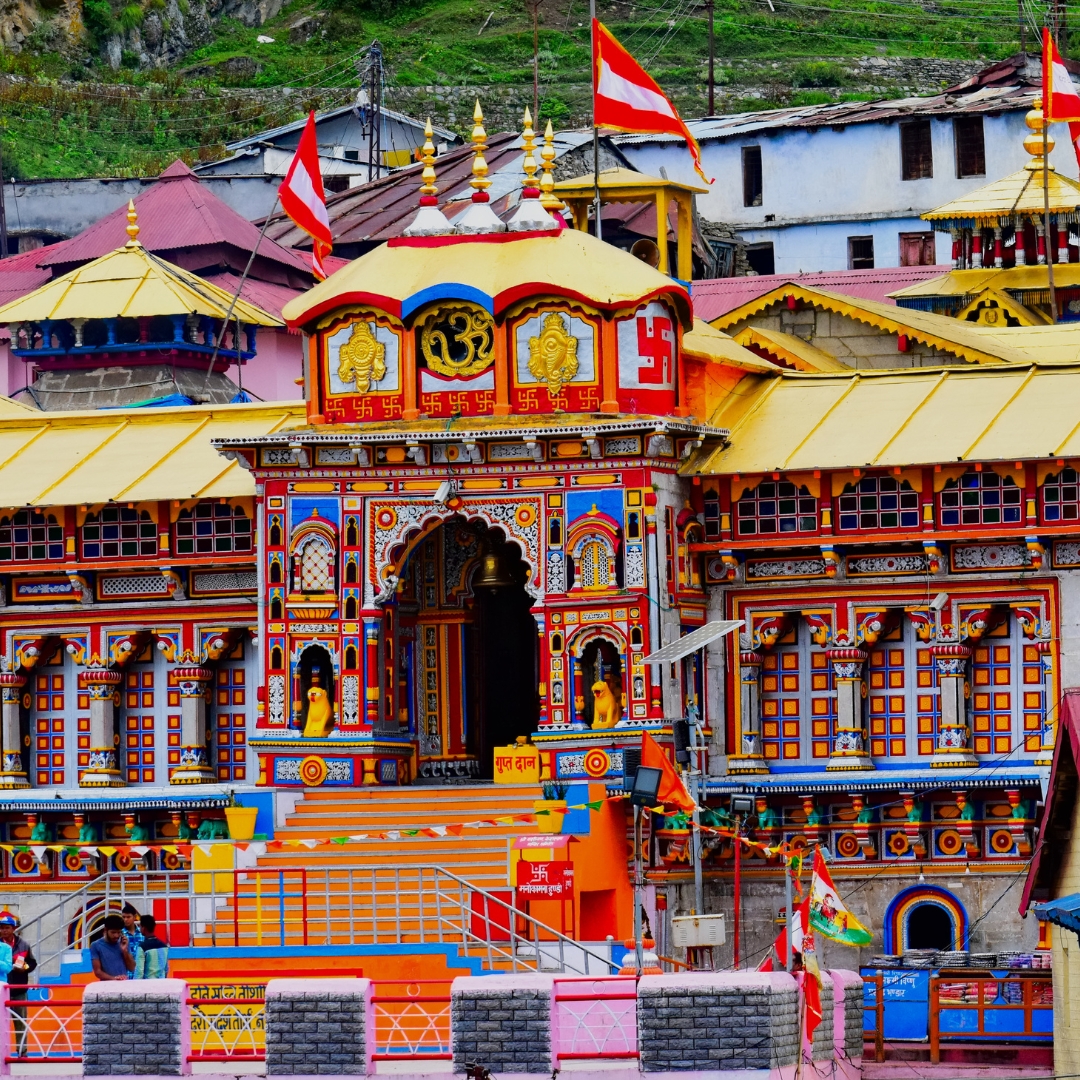
The next major part of the journey was Shri Badrinath Dham.
The group completed Badrinath darshan and also visited Mana Village, located close to the temple town.
After completing Badrinath and Mana, the group began their return journey towards Haridwar via the Garhwal route and Devprayag.
The itinerary they completed was therefore quite different from the one they had originally booked.
But the two things that mattered most had been accomplished:
- Kedarnath darshan was completed.
- Badrinath darshan was completed.
Despite several demanding days during the peak-season rush, the group completed their Do Dham pilgrimage and returned to Haridwar.
Original Plan vs What Actually Happened
| Day | Original Plan | What Actually Happened |
|---|---|---|
| Day 1 | Haridwar → Sersi | Haridwar → Devprayag → Maa Dhari Devi Temple → Sersi |
| Day 2 | Sersi → Kedarnath | Sersi → Gaurikund. Because of the heavy rush, the group stayed overnight at Gaurikund instead of continuing to Kedarnath. |
| Day 3 | Kedarnath → Sersi | Gaurikund → Kedarnath. Evening Aarti and overnight camp stay at Kedarnath. |
| Day 4 | Sersi → Badrinath | Kedarnath darshan and descent. The group eventually reached Sonprayag at approximately 3:00 AM the following morning. |
| Day 5 | Badrinath → Mana → Pipalkoti | After resting at Sersi, the group travelled to Badrinath via Narsingh Devta Temple at Joshimath and stayed overnight in Badrinath. |
| Day 6 | Pipalkoti → Haridwar | Badrinath darshan and Mana Village visit, followed by the return journey to Haridwar via Devprayag. |
Note: This table reflects the conditions experienced by this particular group. Travel and waiting times can vary depending on weather, traffic, pilgrim rush, crowd management and local administrative arrangements.
What Did Damini Ji Pay for This Do Dham Yatra?
When the booking was originally confirmed, the package price was ₹14,500 per person for four adults travelling by private Swift Dzire.
Travelophila subsequently provided the group a ₹2,500 per person discount, bringing their final package price to ₹12,000 per person.
The package included private transportation, accommodation, breakfast and dinner outside Kedarnath, toll taxes, parking and driver allowances.
Meals at Kedarnath, personal expenses and pony, doli/palki or helicopter services were excluded.
For current rates, travellers should check our Do Dham Yatra Package for Kedarnath and Badrinath.
What Damini Ji Said After Completing the Journey
The most meaningful assessment of a tour does not come from us.
It comes from the people who actually travelled.
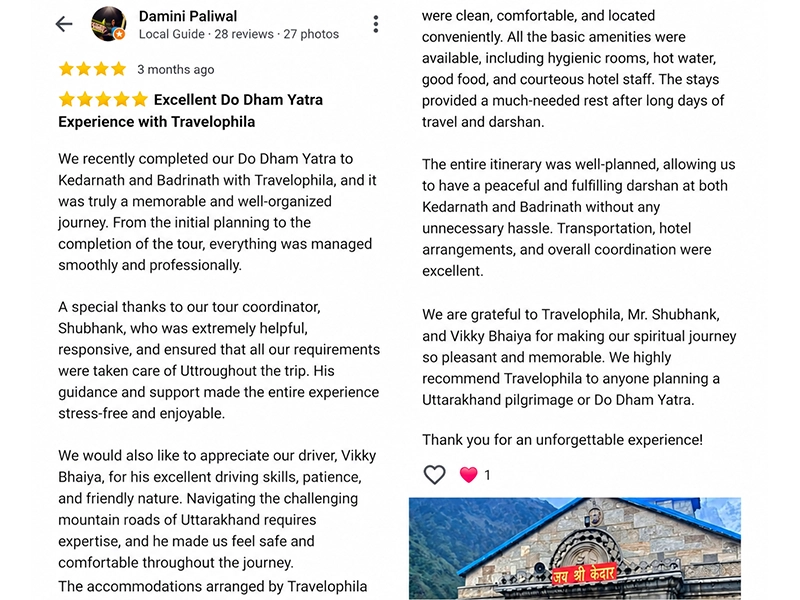
After completing the journey, Damini Paliwal Ji left Travelophila a detailed 5-star Google review describing her experience.
She wrote positively about the overall planning and coordination, the accommodation arranged during the journey and the support she received when required.
She particularly appreciated tour coordinator Shubhank for being responsive throughout the trip.
She also specifically mentioned driver Vicky Bhaiya, appreciating his driving skills, patience and friendly nature while navigating Uttarakhand’s mountain roads.
Her review described the transportation, hotel arrangements and overall coordination positively and recommended Travelophila to travellers planning an Uttarakhand pilgrimage or Do Dham Yatra.
What This Journey Taught Us as a Local Tour Operator
It would be easy for us to write that every journey goes exactly according to plan.
That would not be an accurate picture of a Char Dham or Do Dham Yatra.
Weather can change.
Roads can become congested.
Temple queues can become very long.
Crowd-control measures can affect movement around Sonprayag and Gaurikund.
A journey that looks comfortable when calculated using kilometres can take substantially longer on a peak pilgrimage day.
Damini Ji’s journey demonstrated exactly that.
A carefully prepared itinerary remains important, but local coordination becomes even more important when that itinerary stops working.
Our role during this trip was not to control the Kedarnath crowd—we could not do that.
Our role was to deal with the consequences of it.
That meant coordinating the already-booked Kedarnath accommodation when the group could not reach the temple on Day 2, arranging their stay at Gaurikund, staying in communication as their timings changed, coordinating the approximately 3:00 AM Sonprayag pickup and adjusting the subsequent Badrinath journey.
For us, that is what local support during a Himalayan pilgrimage actually means.
Planning Kedarnath and Badrinath? Keep Some Flexibility in Your Itinerary
Damini Ji’s experience should not be interpreted to mean that every May journey will face the same delays.
It does show why travellers should avoid planning a Himalayan pilgrimage with extremely tight timings.
If Kedarnath and Badrinath are your two main pilgrimage destinations, a properly planned Do Dham Yatra Package gives more room for these two Dhams than trying to squeeze several destinations into a very short itinerary.
Travellers who want to visit Yamunotri and Gangotri along with Kedarnath and Badrinath can instead explore our Char Dham Yatra Packages, where the itinerary is designed around all four Uttarakhand Dhams.
Whichever route you choose, our advice remains the same:
Treat a mountain itinerary as a plan—not a promise that every road, queue and arrival will work exactly to the minute.
What Future Do Dham Travellers Can Learn From Damini Ji’s Experience
- Keep buffer time. Do not schedule every day so tightly that a few hours of delay disrupt the entire tour.
- Start early. Early departures remain important, although they cannot eliminate delays caused by extremely heavy crowd conditions.
- Expect changes around Kedarnath. Sonprayag, Gaurikund, the trek and temple queues can all affect the day’s timings during busy periods.
- Don’t judge mountain travel only by kilometres. A short geographical distance does not necessarily mean a short travel time during peak Yatra season.
- Use an experienced hill driver. Familiarity with Uttarakhand’s routes, mountain roads and Yatra conditions can make a meaningful difference.
- Stay connected with your coordinator. Accommodation and transport may sometimes need to be adjusted while the journey is already underway.
And perhaps the most important lesson:
Do not let the pressure of following an itinerary spoil the purpose of the pilgrimage.
Frequently Asked Questions About Do Dham Yatra
Is May crowded for Kedarnath and Badrinath Yatra?
May can be a very busy period because the Char Dham temples have recently opened for the season and pilgrim demand can be high.
Crowd levels vary by date, weekday, weather, holidays and local conditions, so travellers should allow flexibility rather than relying on a fixed waiting-time estimate.
How many days are suitable for Kedarnath and Badrinath from Haridwar?
A commonly planned itinerary takes around 5 to 6 days, depending on the route, Kedarnath stay, trekking plan and additional places included.
Damini Ji’s journey was planned for six days, although peak-season delays required several adjustments during the trip.
Can a Do Dham itinerary change during the journey?
Yes. Weather, road conditions, traffic regulation, temple queues and pilgrim crowds can affect mountain travel. Accommodation and onward travel may sometimes need to be adjusted according to actual conditions.
Should we keep a buffer day for Kedarnath?
When time permits, additional flexibility is useful, especially during busy pilgrimage periods.
It reduces the pressure to rush if the trek, temple queue or local transport takes longer than expected.
Are pony, palki and helicopter charges included in every Do Dham package?
No. In Damini Ji’s package, pony, doli/palki and helicopter charges were not included.
Inclusions vary by package, so travellers should always check the written quotation before booking.
Is a private vehicle enough for a Kedarnath–Badrinath journey?
A suitable private vehicle makes the road journey more comfortable, but the driver’s experience is also important.
Uttarakhand pilgrimage routes involve mountain roads and changing travel conditions, which is why Travelophila prefers drivers familiar with these routes.
About This Real Traveller Story
This article is based on Damini Ji’s actual Do Dham Yatra from 24–29 May 2026, Travelophila’s original booking details, the itinerary changes coordinated during the journey, photographs from the trip and the Google review shared by the traveller after completing the tour.
Some travel timings described here were caused by the conditions experienced by this particular group on those dates.
They should not be treated as guaranteed travel or waiting times for future journeys.
About the Tour Coordinator
Shubhank Maithani – Co-Founder, Travelophila
Shubhank Maithani coordinated Damini Ji’s Kedarnath–Badrinath journey and the itinerary changes described in this article.
As part of Travelophila’s Uttarakhand-based team, he works on pilgrimage itineraries covering Kedarnath, Badrinath, Char Dham and other routes across the state, coordinating accommodation, transportation and on-ground changes when required.
This story has been documented from the company’s actual tour records and the traveller’s experience rather than recreated from a generic itinerary.
Plan Your Uttarakhand Pilgrimage With Travelophila
Damini Ji’s journey is a good example of why we don’t believe a successful Yatra means that nothing unexpected will happen.
Sometimes it will.
The important question is what happens after the plan changes.
If you are planning only Kedarnath and Badrinath, check our Do Dham Yatra Package for current routes, package options and inclusions.
If you want to visit Yamunotri, Gangotri, Kedarnath and Badrinath together, explore our Char Dham Yatra Packages for detailed itineraries and current options.

Shyam Sunder is a passionate travel writer and spiritual journey expert at Travelophila, specializing in the sacred landscapes of Uttarakhand. With years of hands-on experience in curating and guiding Char Dham Yatras and other divine Himalayan circuits, Shyam brings a soulful perspective to every story he writes.
His writings reflect deep cultural insight, devotion, and firsthand exploration — helping readers experience the spiritual essence of the Himalayas even before they embark on their journeys. Through his words, Shyam aims to connect travelers not only with destinations but also with the divine energy that flows through every temple, trail, and mountain of Uttarakhand.
When not writing or exploring, Shyam loves engaging with local sages, discovering hidden shrines, and capturing the unseen beauty of spiritual India.