How We Handle Emergencies During Char Dham Yatra: Real Experiences From the Ground
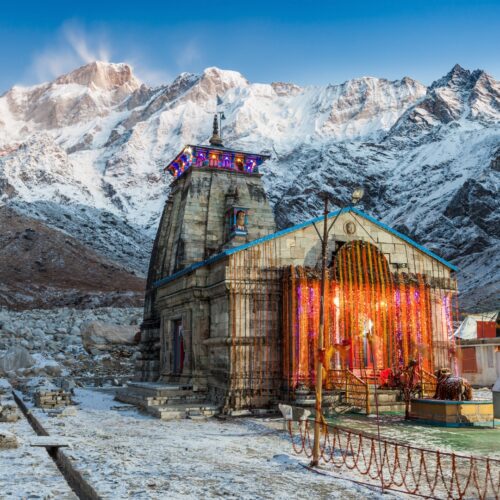
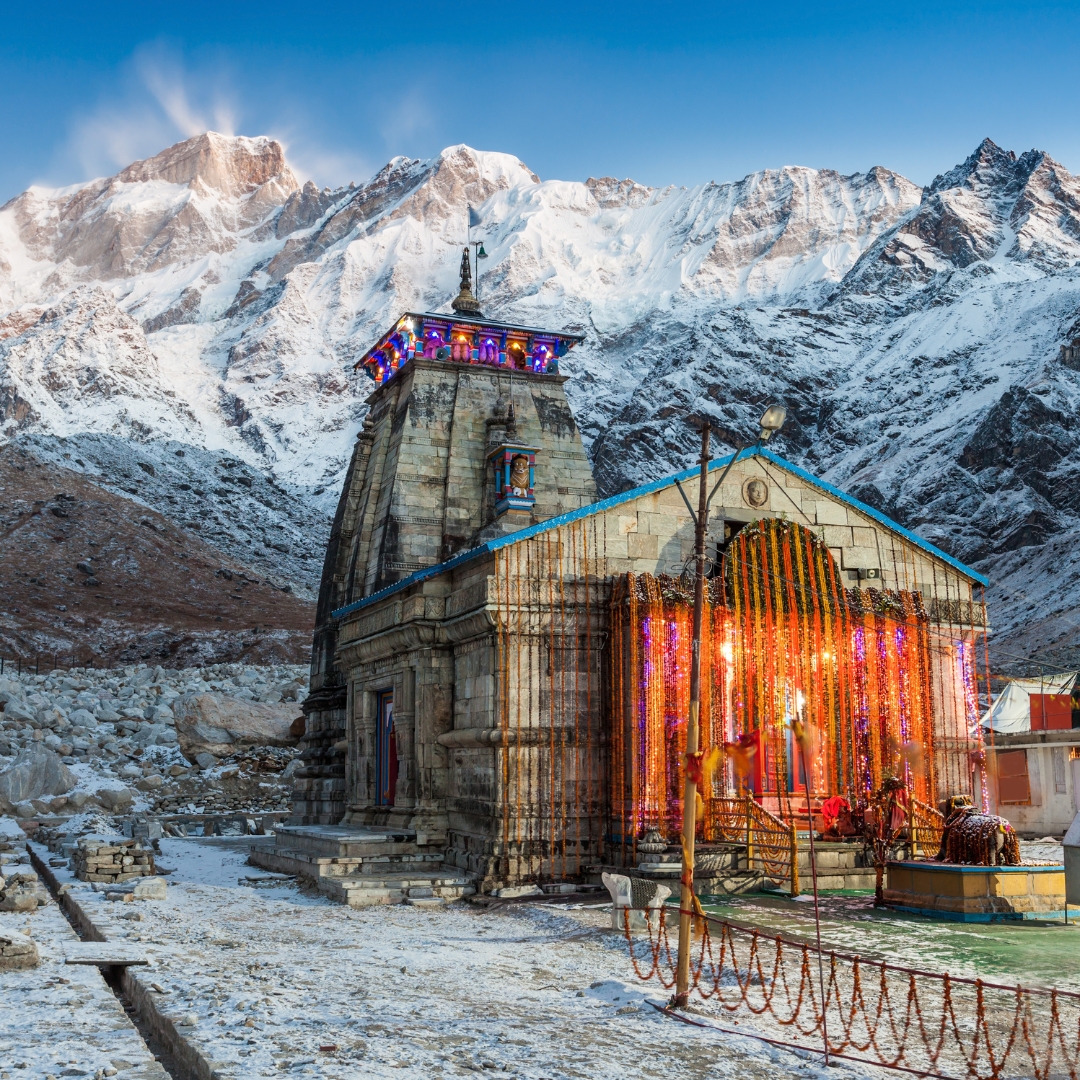
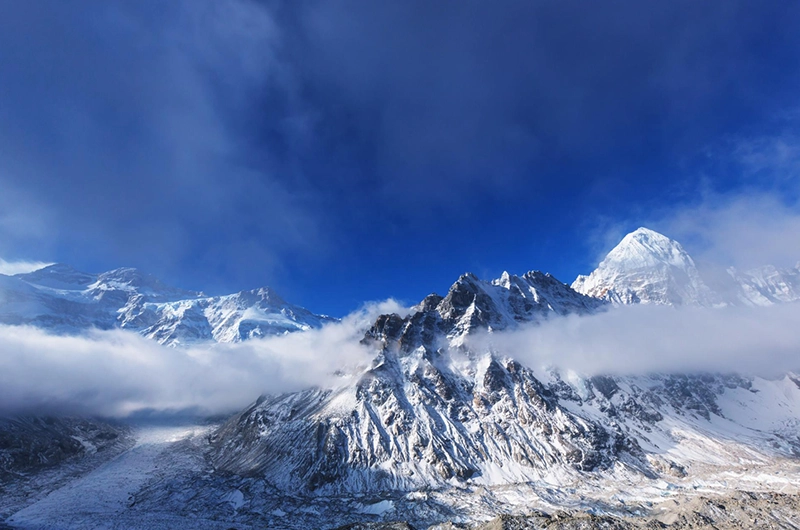
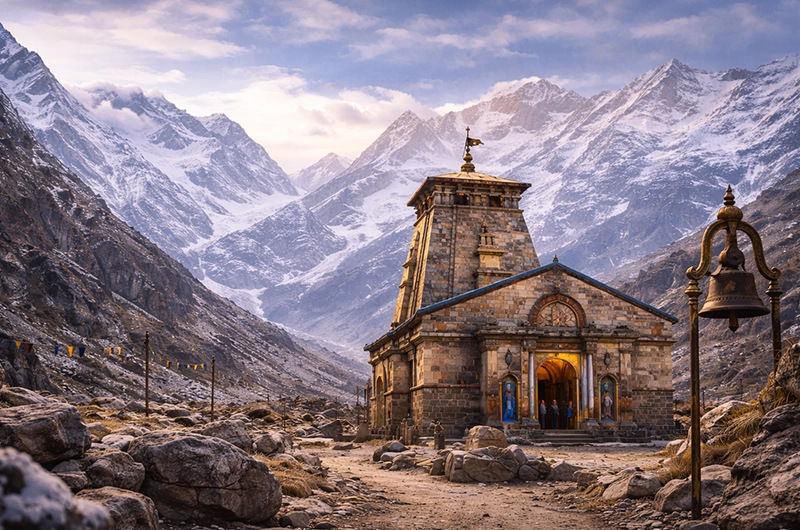
Char Dham Yatra is one of the most sacred pilgrimages in India. Every year, thousands of devotees travel to Yamunotri, Gangotri, Kedarnath, and Badrinath seeking divine blessings amidst the majestic Himalayas. However, unlike city vacations, this journey takes place through mountainous terrain where weather conditions, road situations, and health-related challenges can change unexpectedly.
Many websites only show beautiful photographs of temples and mountains. Very few talk about the realities that pilgrims may face on the ground. The truth is that occasional delays, sudden weather changes, traffic restrictions, health concerns, and logistical challenges are part of Himalayan travel.
What truly matters is not whether a challenge occurs, but how your travel team responds when it does.
At Travelophila, our team is based in Uttarakhand. Before starting our travel operations, our family had already been associated with hospitality in the Char Dham region for many years. Over the last few years, we have served thousands of pilgrims from across India. These experiences have taught us that patience, local knowledge, preparation, and honest communication are often more valuable than unrealistic promises.
If you are planning your pilgrimage, choosing a well-planned Char Dham journey with local support can make a significant difference when unexpected situations arise.
If you are still exploring your options, you can also check our Handpicked Top Char Dham pilgrimage Packages that prioritise comfort, realistic travel schedules, and local assistance throughout the journey.
Why Emergency Preparedness Matters More Than Cheap Pricing
One of the biggest mistakes travellers make is selecting a package solely because it is the cheapest.
Char Dham Yatra is not simply about reaching four temples. It involves travelling through changing weather conditions, mountain roads, high-altitude regions, and areas where flexibility may be required.
A cheaper package may look attractive initially, but problems begin when:
- The itinerary is unrealistically compressed.
- There is no local support team.
- Drivers are unfamiliar with Himalayan roads.
- Hotels refuse adjustments during delays.
- Guests are left to manage emergencies themselves.
In our experience, pilgrims rarely remember whether they saved a small amount during booking. They remember how they were treated when something unexpected happened.
How Our Local Emergency Response System Works
One of the advantages of being based in Uttarakhand is our strong local network.
Experienced Local Drivers
Our drivers are not visiting operators from outside states. They are experienced hill drivers who regularly travel on Char Dham routes.
Because of their daily operations:
- They receive real-time route information.
- They understand alternate roads.
- They know local conditions.
- They recognise weather patterns.
- They communicate continuously with fellow drivers.
Driver WhatsApp Groups and Route Updates
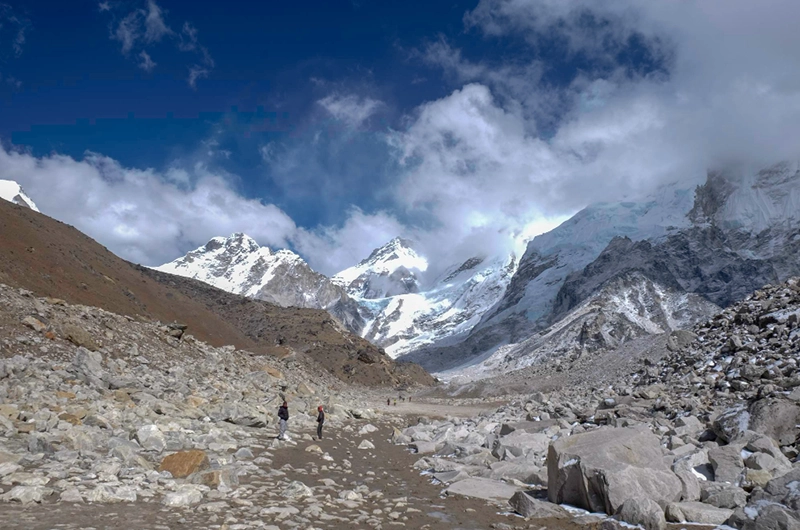
Many travellers are surprised to learn that local drivers maintain active communication networks.
Drivers frequently exchange updates regarding:
Traffic congest
Landslides.
- Traffic congestion.
- Road closures.
- Diversions.
- Shuttle movement status.
- Weather conditions.
- Administrative advisories.
This means we often receive route updates before travellers become aware of them.
Coordination with Hotels
In many cases, delays require accommodation adjustments.
Because of our long-standing local relationships and operational experience, we coordinate with hotels whenever possible to:
- Extend stays.
- Change destinations.
- Arrange emergency accommodation.
- Reduce inconvenience for pilgrims.
Although adjustments depend upon availability and circumstances, our team always attempts to minimise disruption and additional costs.
Real Story 1: When Heavy Rain Changed Sharma Ji’s Kedarnath Plan
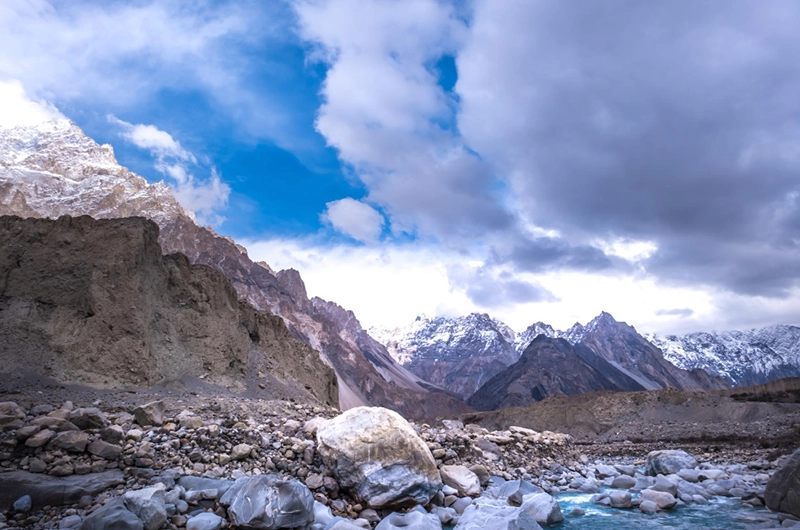
One incident from the 2025 Char Dham season remains fresh in our memory.
A family from North India, led by Sharma Ji, was travelling with us. The group consisted of eight members, including two senior citizens above sixty years of age.
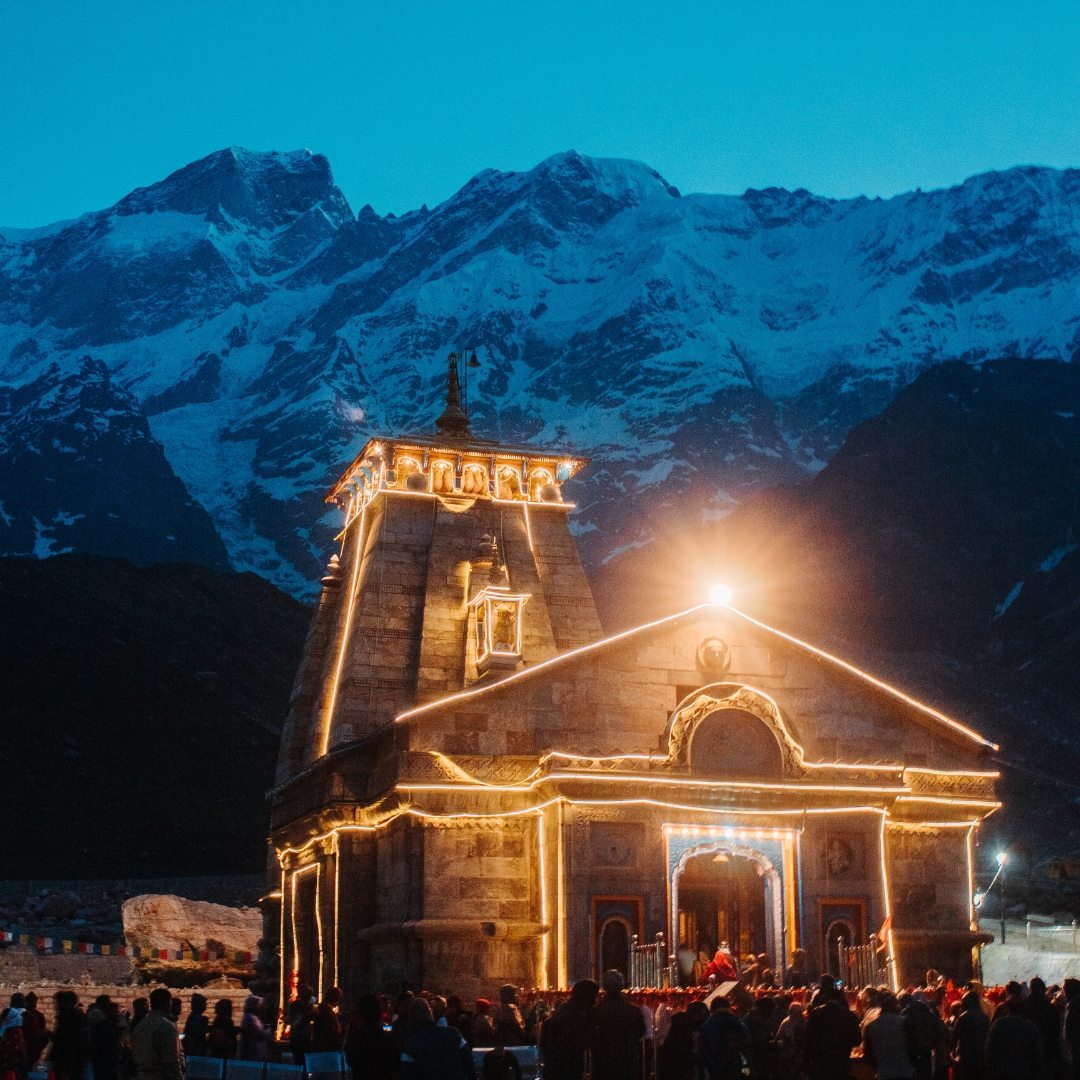
They had already completed Yamunotri and Gangotri and were preparing for Kedarnath Darshan during the peak June season.
Unfortunately, weather conditions deteriorated rapidly.
Continuous rainfall increased the chances of delays, and uncertainty began surrounding the Kedarnath route.
At this stage, many travellers become anxious.
Should they proceed?
Should they wait?
Would additional expenses increase?
Rather than insisting on the original plan, we reassessed the situation.
Our team arranged an adjustment in their stay so that they could remain at a safer lower location instead of immediately proceeding further. This helped avoid unnecessary expenditure that could have resulted from repeated accommodation changes.
The following morning, after reviewing the updated conditions, we arranged palki services for the elderly members and coordinated the journey accordingly.
Eventually, the family completed their Kedarnath Darshan successfully and returned safely.
The biggest lesson from this experience was simple:
Flexibility saves both stress and money.
What We Learned from Sharma Ji’s Experience
- Weather should never be ignored.
- Senior citizens require practical planning.
- Local assessment matters more than assumptions.
- Adjustments can prevent unnecessary expenses.
- Pilgrim safety should always take priority over fixed schedules.
Real Story 2: When Gaurikund Shuttles Stopped Operating at Night
Many first-time pilgrims assume that once they descend from Kedarnath, transportation will always be available.
Unfortunately, that is not always true.
During periods of bad weather, the shared shuttle services operating between Gaurikund and Sonprayag may temporarily stop functioning, particularly during late evening hours.
On one occasion, our guests completed their Kedarnath trek and returned to Gaurikund later than expected.
By the time they arrived, shuttle operations had already stopped due to weather conditions.
They were tired after completing the demanding trek.
Panic started building.
Questions immediately followed.
How will we reach Sonprayag?
Where will we stay?
What happens next?
Instead of asking them to manage the situation independently, our team immediately coordinated local arrangements.
Accommodation was arranged in Gaurikund for the night, ensuring that our guests could rest comfortably.
The next morning, once services resumed, they continued their journey without unnecessary stress.
For many travellers, emergencies are not dramatic disasters.
Sometimes, they are simple logistical challenges that require timely decisions and local support.
Those small decisions often determine whether pilgrims remember their journey with gratitude or frustration.
Why Local Presence Makes a Difference
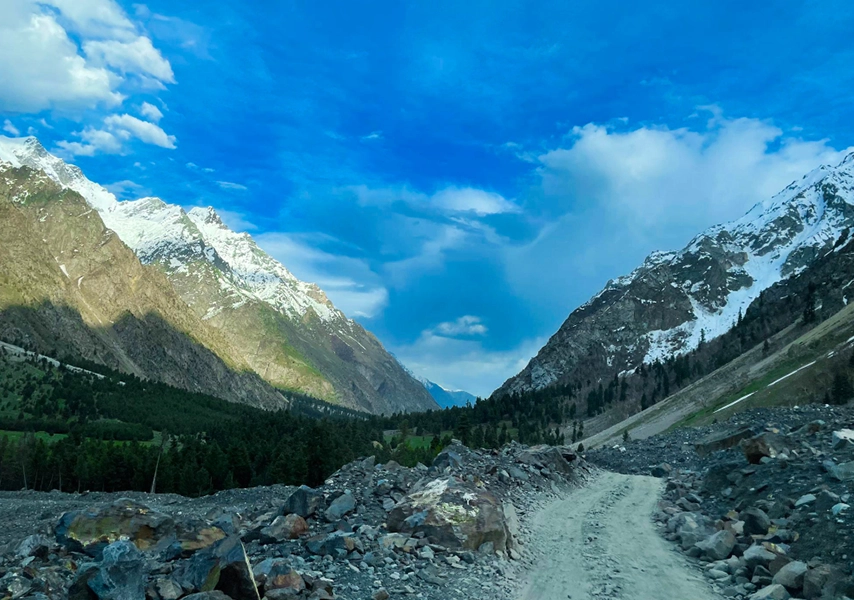
The Himalayas do not operate according to fixed schedules.
Roads can reopen later than expected.
Weather can change suddenly.
Shuttle services may pause.
Crowds can increase unexpectedly.
During such situations, having someone physically connected to the local ecosystem becomes invaluable.
Because our team is from Uttarakhand and maintains relationships throughout the Char Dham circuit, we can often identify practical solutions more quickly than operators who are managing everything remotely from distant cities.
Planning Your Char Dham Journey
Many pilgrims ask us what is more important: luxury or preparation?
Our answer remains the same.
Preparation.
Choosing realistic itineraries, travelling with experienced local teams, understanding seasonal challenges, and keeping flexibility within the journey often contribute more towards a successful pilgrimage than expensive upgrades.
If you are currently researching different options for your upcoming yatra, consider exploring professionally planned Char Dham travel experiences designed around comfort, local expertise, and on-ground assistance rather than unrealistic promises.
Real Story 3: When a Medical Emergency Changed the Priority from Itinerary to Health
One of the most important lessons we have learned while operating Char Dham Yatra tours is that no itinerary is more important than a pilgrim’s health.
During one of our tours, a traveller suddenly started feeling unwell. What initially appeared to be ordinary fatigue gradually developed into a health concern that required immediate attention.
At that moment, our priority shifted completely.
Instead of worrying about whether the schedule would be delayed, our team focused entirely on getting the pilgrim proper medical care as quickly as possible.
Because our team belongs to Uttarakhand and regularly operates on these routes, we were aware of the nearest available medical facilities and district hospitals. The guest was immediately taken to the appropriate medical centre for examination and treatment.
Fortunately, timely action helped avoid complications, and the traveller recovered well.
This experience reinforced an important message:
Never ignore unusual symptoms during Char Dham Yatra. Early intervention can make all the difference.
What We Learned
- Inform your travel team immediately if you feel unwell.
- Carry your regular medicines throughout the journey.
- Senior citizens should consult their doctor before travelling.
- Health should always come before schedules.
Real Story 4: When a Tempo Traveller Broke Down During the Journey
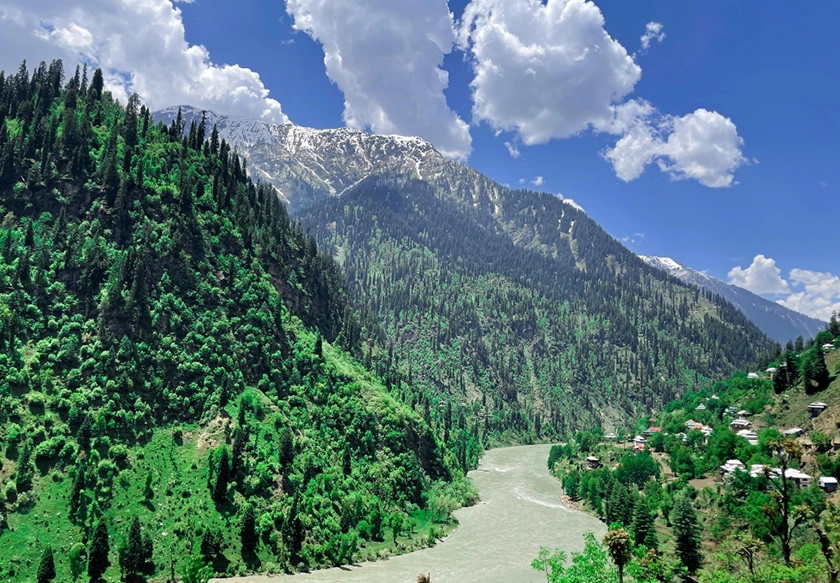
Travelling in the Himalayas puts vehicles through demanding conditions.
Steep climbs, long driving hours, changing weather, and mountain roads test both machines and drivers.
Recently, a group returning after completing part of their pilgrimage faced an unexpected situation when their Tempo Traveller developed a mechanical issue.
Initially, the passengers hoped the problem could be resolved quickly.
A local mechanic was arranged immediately.
However, as evening approached, it became clear that repairs were taking longer than expected.
Naturally, frustration started building among the guests.
At that point, instead of asking pilgrims to continue waiting indefinitely, we arranged another vehicle by bearing additional operational efforts so the guests could proceed with minimal inconvenience.
The original vehicle was repaired separately.
The pilgrims continued their journey safely.
What We Learned
- Vehicles should always undergo regular inspections.
- Backup plans are essential.
- Honest communication reduces anxiety.
- Pilgrim comfort should take priority over operational convenience.
The 10 Most Common Problems Pilgrims Face During Char Dham Yatra
- Motion Sickness During Hill Travel
Many pilgrims experience nausea while travelling on mountain roads.
Fortunately, experienced drivers know when to slow down, allow breaks, and adjust driving patterns.
We advise travellers to:
- Carry prescribed medication if needed.
- Avoid overeating before long drives.
- Inform the driver immediately if discomfort develops.
- Mobile Network Issues
Many people assume there is no network throughout Char Dham.
That is not entirely true.
Most areas have mobile connectivity, although occasional disruptions occur.
Our advice:
- Carry both Jio and Airtel SIM cards.
- Save important numbers offline.
- Share emergency contacts with family members.
- Inform your travel coordinator before entering low-network zones.
Network disruptions are temporary. Panic usually creates bigger problems than the signal loss itself.
- Long Darshan Queues
This is one reality many travellers underestimate.
During May and early June, queues at Kedarnath can sometimes extend for several hours.
At peak times, waiting periods of 8–12 hours are possible.
Our local teams help guests understand:
- The best time to join queues.
- Available assistance options.
- Crowd expectations.
- Practical strategies for senior citizens.
The right expectations prevent disappointment.
- Sudden Weather Changes
Weather remains one of the biggest variables in the Himalayas.
Rainfall, especially during monsoon months, can affect movement.
From our experience:
Most rainfall tends to occur during late afternoons and evenings.
This is one reason we encourage early departures.
We also recommend:
- Carrying raincoats.
- Waterproofing important documents.
- Following local weather updates.
- Avoiding unnecessary risks.
Lack of Cash
Digital payments are becoming more common, but cash remains important.
Pilgrims should:
Carry some emergency cash.
Withdraw money whenever opportunities arise.
Avoid relying solely on digital payments.
Because of our local experience, we also advise guests about reliable ATM locations throughout the route.
Breathing Discomfort at Higher Altitudes
Some elderly pilgrims experience breathing difficulties.
High-altitude locations such as Kedarnath can affect individuals differently.
We recommend:
Pre-travel health check-ups.
Carrying essential medications.
Considering portable oxygen cylinders if advised.
Reporting symptoms immediately.
There are medical facilities across the route, and knowing where they are located can provide reassurance.
Kedarnath Trek Challenges
The Kedarnath trek is beautiful but demanding.
The route is approximately 16 kilometres one way, with certain stretches requiring greater physical effort.
Before the journey, we discuss:
Trek difficulty levels.
Pony options.
Palki availability.
Helicopter alternatives.
Food and rest points.
Essential preparations.
Preparation transforms anxiety into confidence.
Helicopter Booking Confusion
Helicopter fraud remains a genuine concern.
Many travellers become victims of unofficial websites and misleading advertisements.
Our advice:
Use only official booking channels.
Verify every payment.
Never trust unrealistic promises.
Ask questions before transferring money.
Awareness is the strongest protection against fraud.
Elderly Fatigue
Long drives and changing conditions can be tiring.
Simple precautions help enormously:
Take regular breaks.
Use knee supports if required.
Stay hydrated.
Avoid rushing.
Utilise assistance services where necessary.
Char Dham Yatra is not a race.
Unexpected Delays
Traffic congestion, weather changes, administrative restrictions, and crowd levels may occasionally cause delays.
When delays occur:
Stay calm.
Communicate openly.
Focus on solutions rather than blame.
Maintain flexibility.
Patience often becomes part of the pilgrimage itself.
What We Wish Every Pilgrim Knew Before Starting Char Dham Yatra
After years of experience, these are the lessons we wish everyone understood:
The mountains do not follow fixed schedules.
Weather can change within hours.
Cheap packages are not always economical.
Local knowledge matters.
Proper preparation prevents panic.
September and October can offer a peaceful pilgrimage experience.
Senior citizens can successfully complete the yatra with planning.
Asking questions before booking is always beneficial.
Health should never be ignored.
Patience is part of devotion.
The Biggest Mistake Pilgrims Make
Many travellers assume that Char Dham Yatra is simply another tourist trip.
It is not.
Some ignore medical conditions.
Some choose unrealistically short itineraries.
Some fall victim to helicopter scams.Others select packages based solely on price.
The reality is that knowledge, preparation, and choosing the right support system often matter more than saving a few thousand rupees.
The One Thing That Matters More Than Money
If we had to summarise our experience in one sentence, it would be this:
Proper planning and the determination to complete the journey safely matter more than money.
The Himalayas reward preparation, patience, and faith.
Frequently Asked Questions
Are emergencies common during Char Dham Yatra?
No. Thousands of pilgrims complete the journey smoothly every year. However, occasional delays and challenges can occur, which is why preparation is important.
Is Char Dham Yatra safe for senior citizens?
Yes. With medical advice, realistic planning, and appropriate assistance such as pony, palki, or helicopter services, many senior citizens successfully complete the pilgrimage.
Which months require extra caution?
From approximately late June until early September, travellers should monitor weather conditions more carefully because of monsoon-related disruptions.
Which hospitals are available during emergencies?
Medical facilities are available throughout the route, including district hospitals in Uttarkashi, Rudraprayag, Chamoli, Srinagar, Rishikesh, Haridwar, and Dehradun.
Which mobile networks work best?
Carrying both Airtel and Jio SIM cards is often the most practical option.
Final Thoughts: The Real Meaning of Support During Char Dham Yatra
People often ask what makes a travel company different.
For us, the answer is simple.
Support is not measured when everything goes according to plan.
Support is measured when weather changes suddenly, when a guest feels unwell, when roads close, when vehicles develop problems, or when families feel anxious far from home.
These experiences have taught us that Char Dham Yatra is not merely about reaching four temples.
It is about faith.
It is about patience.
It is about helping people during moments when they need reassurance the most.
Thousands of pilgrims successfully complete this sacred journey every year. With realistic expectations, thoughtful preparation, and guidance from people who understand the mountains, the experience can become one of the most meaningful journeys of a lifetime.
If you are planning your pilgrimage and prefer travelling with a local Uttarakhand team that values safety, honesty, and practical support, take time to explore our thoughtfully crafted Char Dham pilgrimage experiences designed around comfort, flexibility, and real on-ground assistance.

Shubhank is a lifelong explorer and storyteller, born and raised in the scenic hills of Garhwal, Uttarakhand. With a deep connection to the mountains, valleys, and sacred trails of his homeland, he helps travelers discover the heart of Uttarakhand beyond the usual tourist spots.
Friends and travelers from across India often ask him: “Where should we go in Uttarakhand?” Shubhank’s answer comes from experience — the valleys he grew up in, the treks he has hiked since childhood, and the sacred routes his elders still walk. Through his writing, he shares personal insights, local stories, and practical tips that make every journey meaningful, memorable, and authentic.
Specializes in: Uttarakhand Treks • Cultural & Spiritual Journeys • Offbeat Hill Stations • Local Experiences
Writing Style: Personal, immersive, and experience-driven
Travel Philosophy: “Explore the hills as if they are your home, and every journey will tell a story.”