Packing for Char Dham Yatra isn’t about filling your bag with more clothes—it’s about carrying the right things for the right places.
Every season, we meet pilgrims who arrive fully prepared for a city holiday but not for a Himalayan pilgrimage. Some pack heavy winter jackets for the entire journey and never use them until the last two days. Others bring light clothing, assuming May or June will be warm everywhere, only to feel unprepared during their stay in Kedarnath or Badrinath.
The biggest misconception is that the weather remains the same throughout the Char Dham route.
It doesn’t.
During a typical Char Dham itinerary, your overnight stays are generally in Barkot, Uttarkashi, Kedarnath and Badrinath. While Barkot and Uttarkashi usually experience pleasant weather during the pilgrimage season, Kedarnath and Badrinath are the destinations where temperatures can change quickly, especially during the early morning, evening and night. This is why your packing should be planned according to the places where you actually spend the night rather than the entire route.
If you’re planning your pilgrimage through our professionally planned four-shrine road journey, you’ll already know where each overnight stay is scheduled, making it much easier to pack smart instead of carrying unnecessary luggage.
This guide isn’t a random checklist copied from the internet. It is based on the practical questions our guests ask before every Char Dham season and the common mistakes we’ve seen travellers make over the years. Whether you’re travelling with family, senior citizens or friends, this packing guide will help you prepare for a safer, lighter and more comfortable journey across the Himalayas.
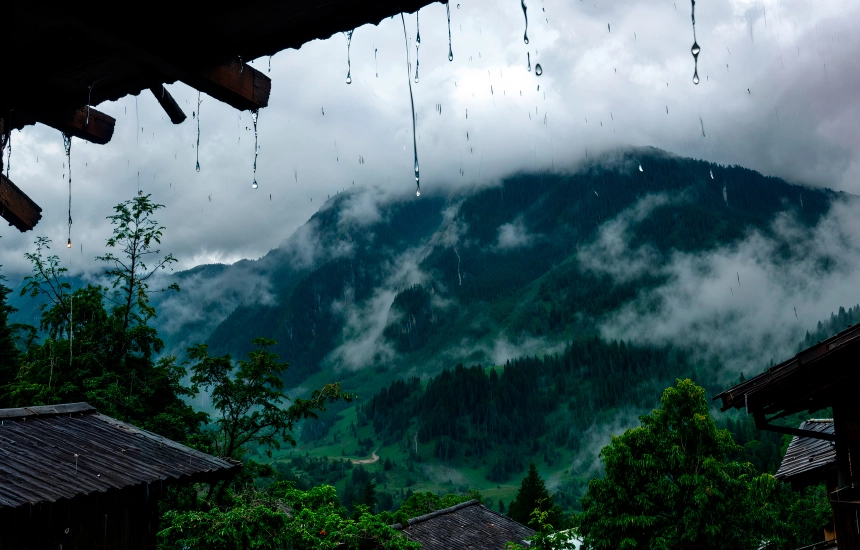
How Does the Weather Change During Char Dham Yatra?
One mistake many first-time pilgrims make is assuming that the entire Char Dham route remains equally cold. In reality, every destination has its own climate, altitude and weather pattern.
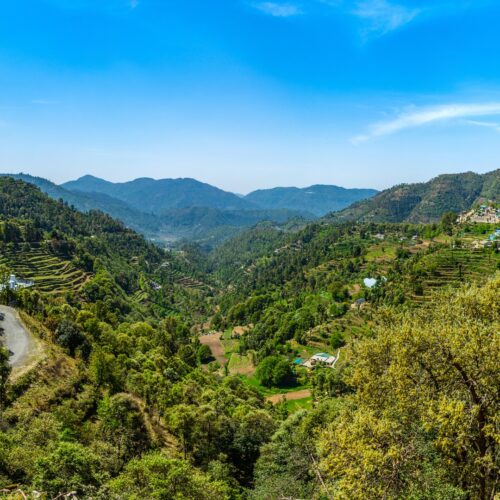
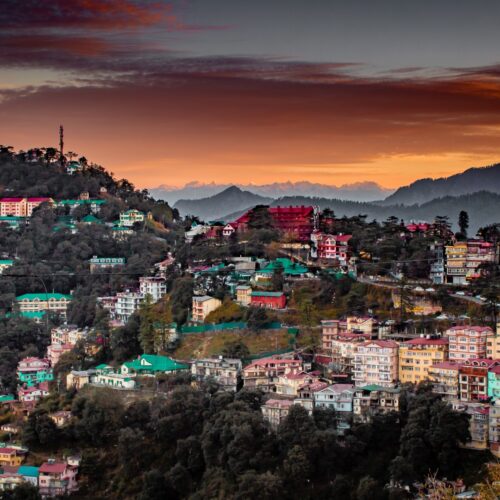
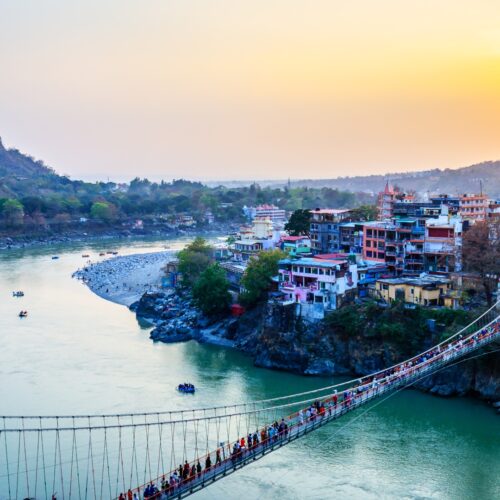
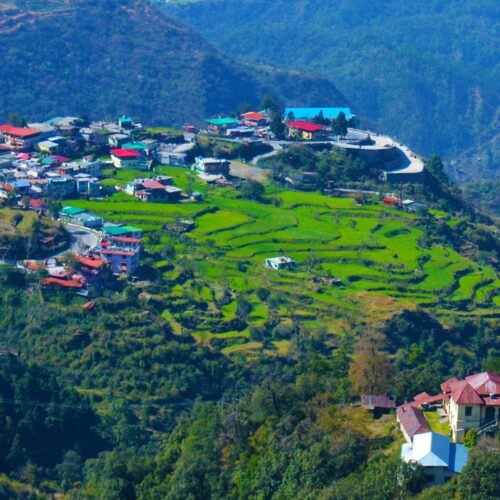
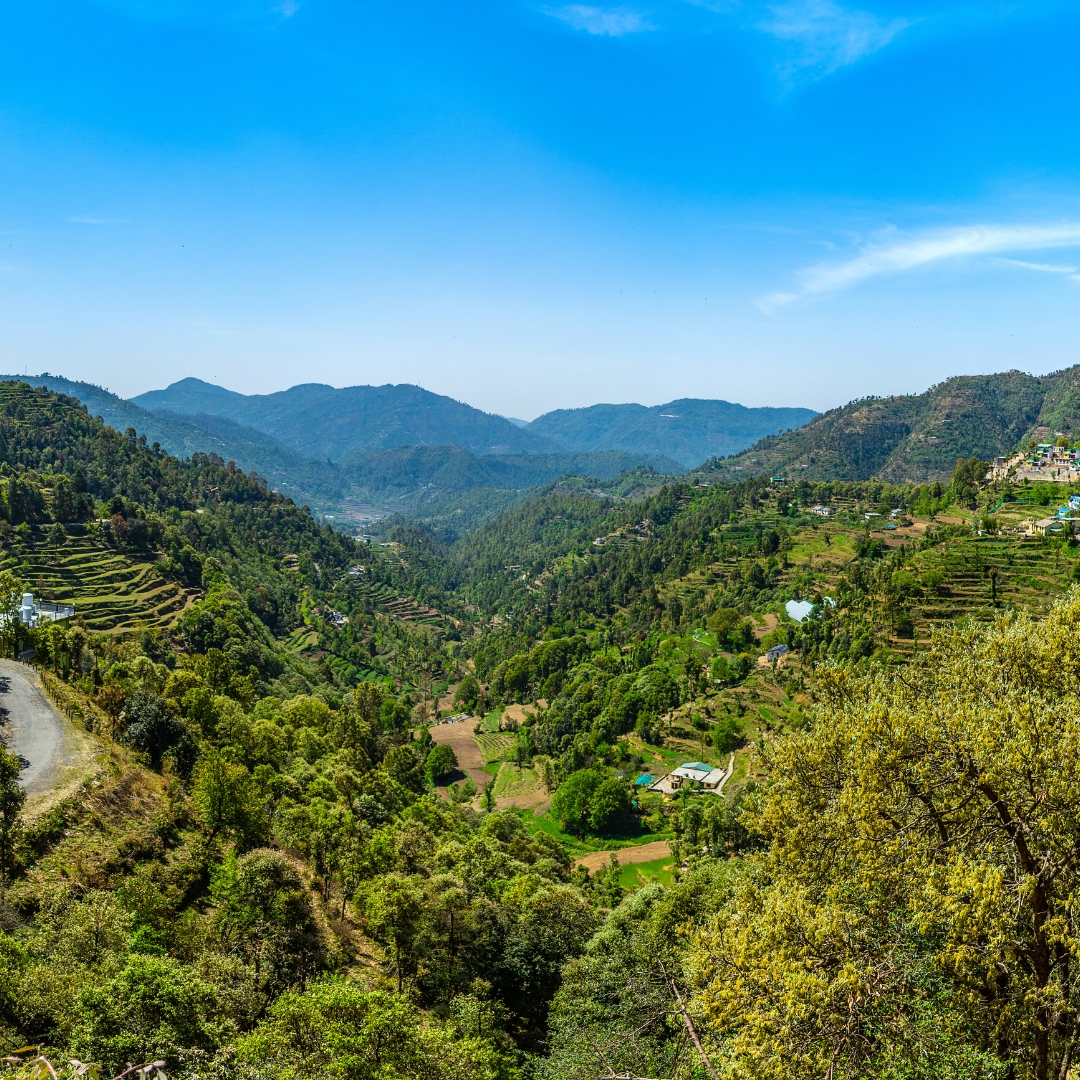
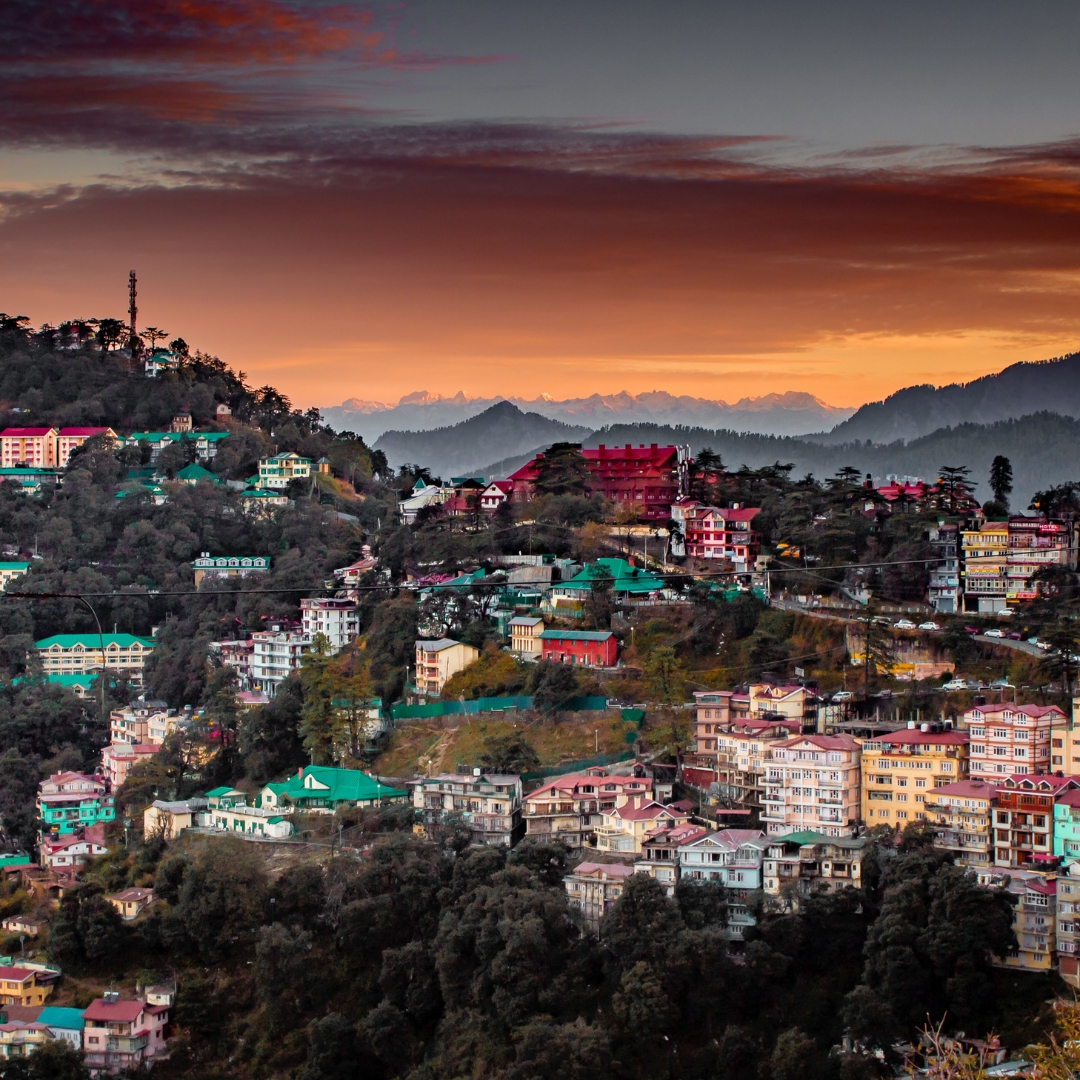
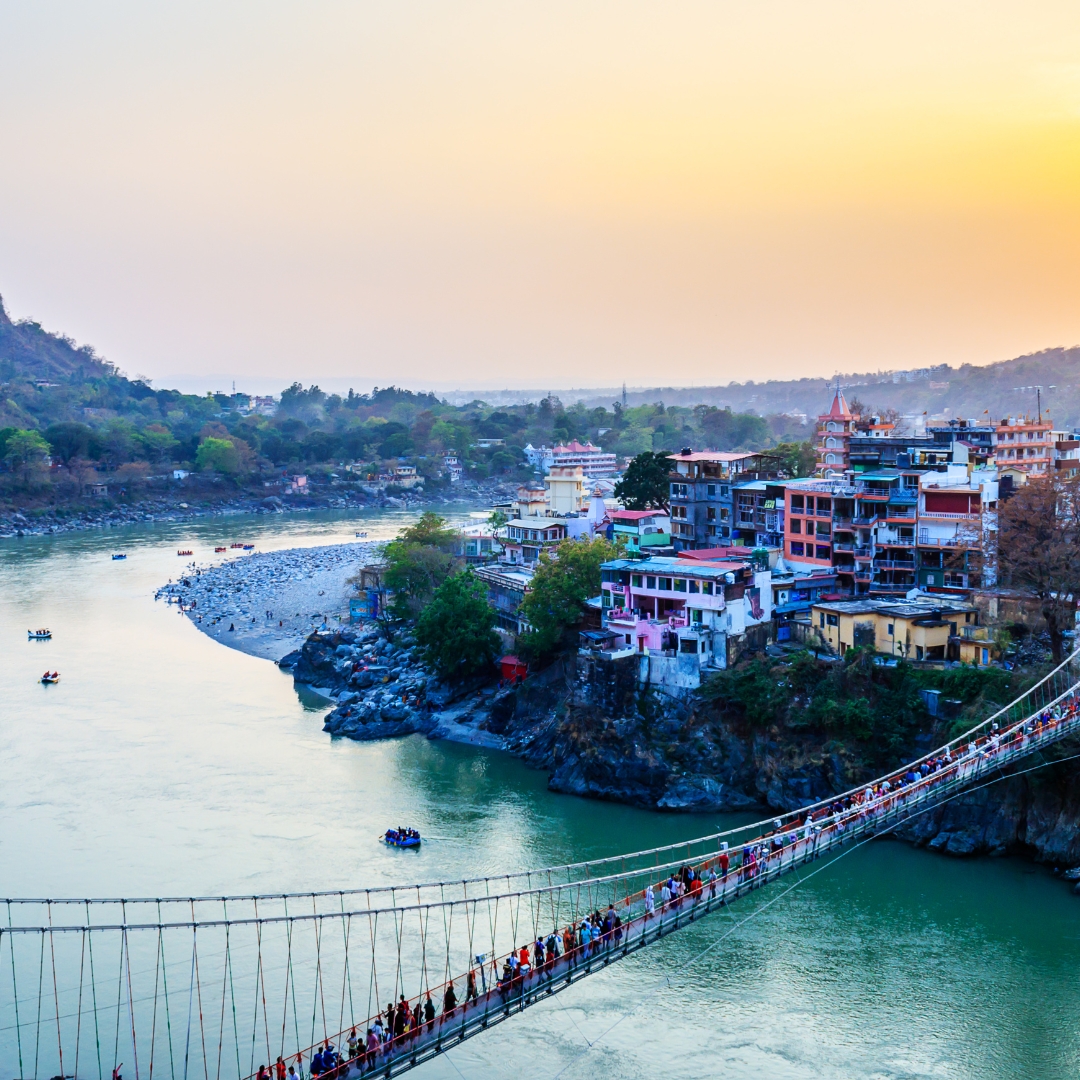
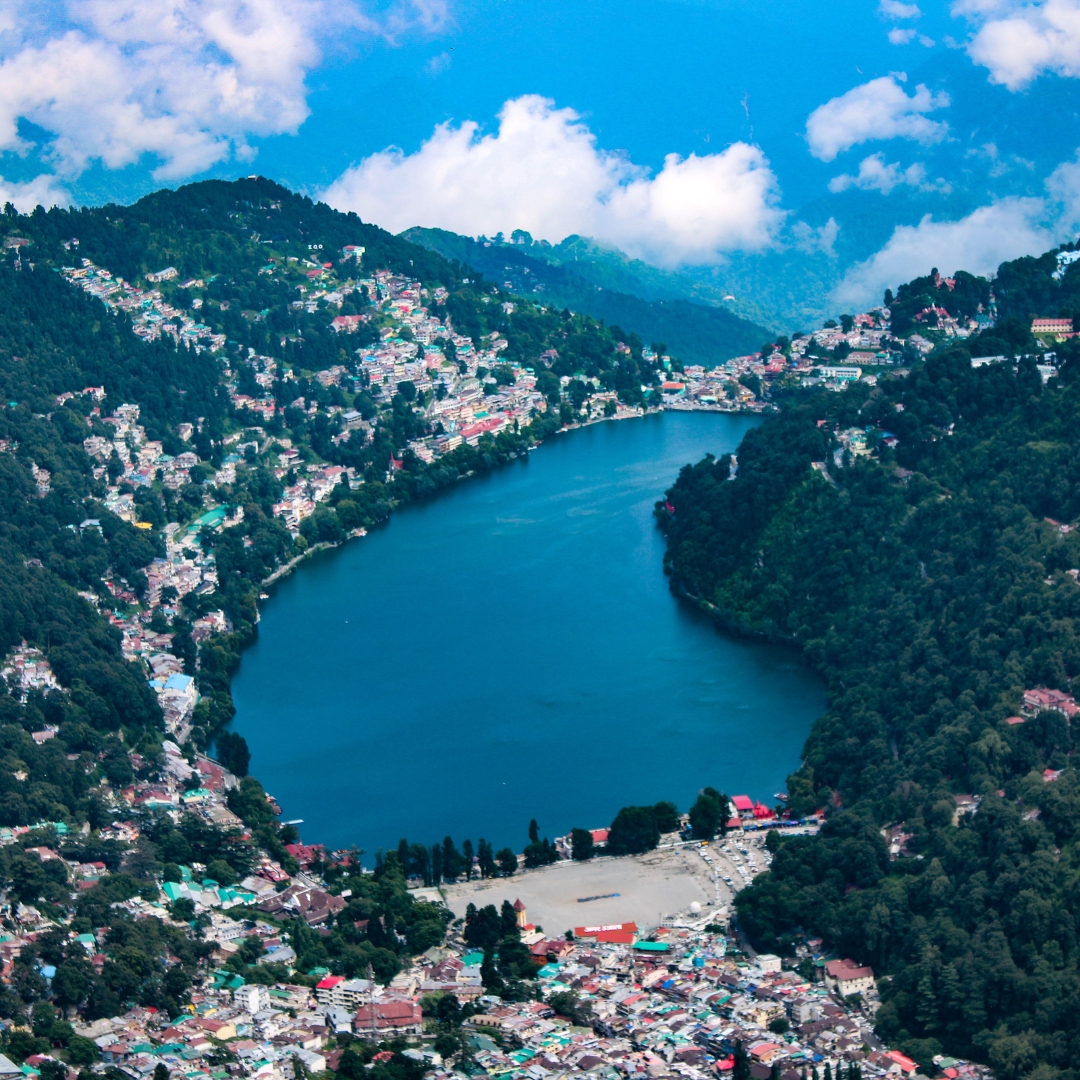
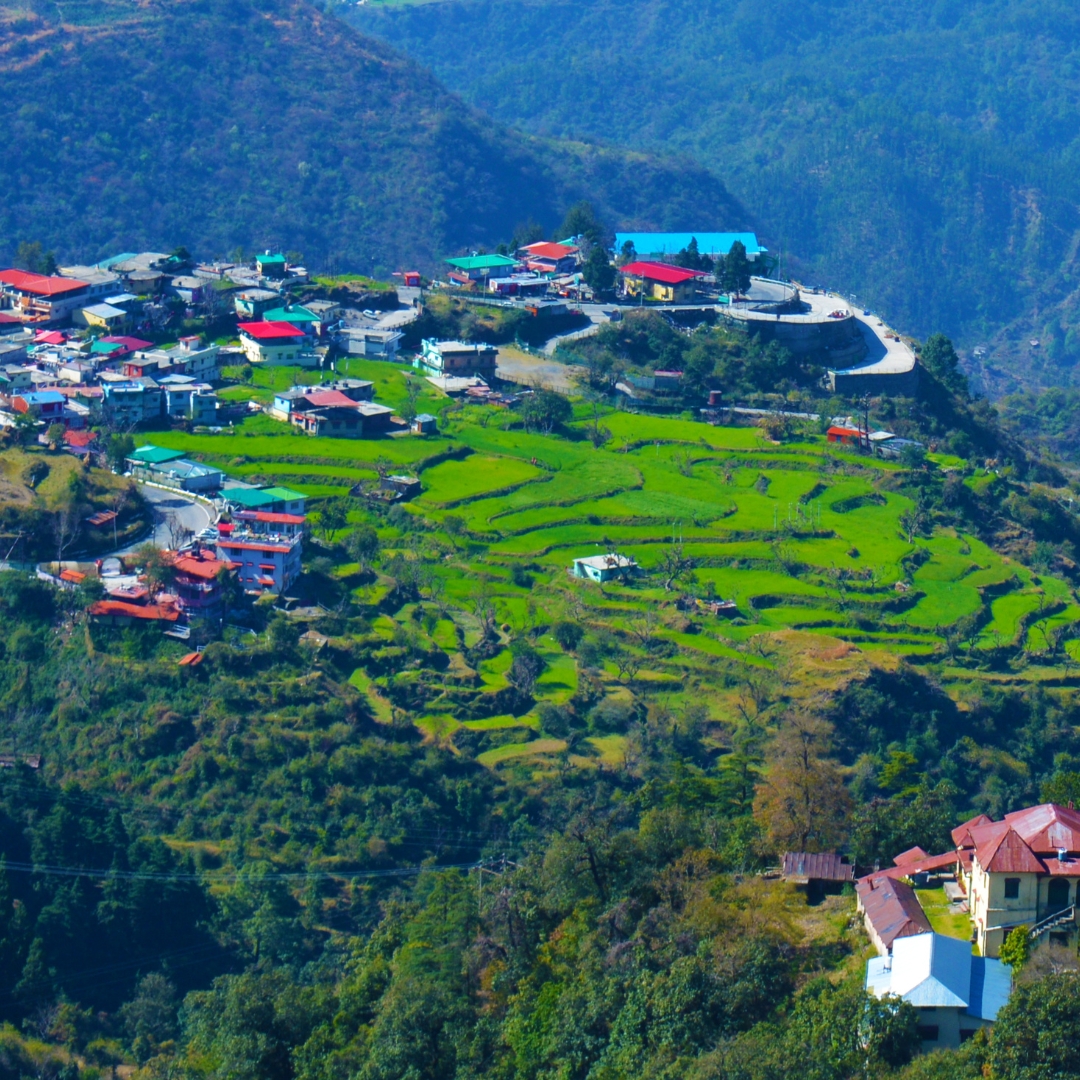
Most Char Dham packages do not include overnight stays at Yamunotri or Gangotri. Pilgrims usually return to Barkot after visiting Yamunotri and to Uttarkashi after Gangotri Darshan. These towns generally experience comfortable temperatures during the pilgrimage season.
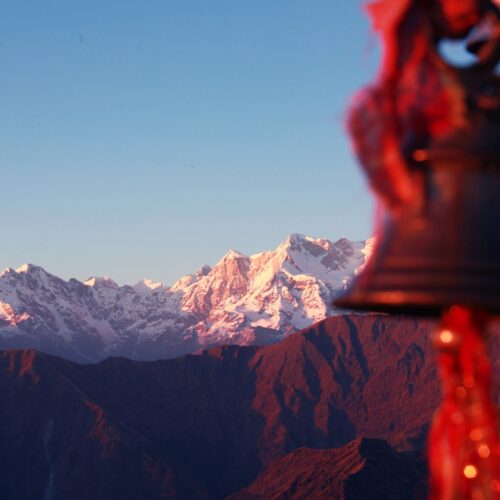
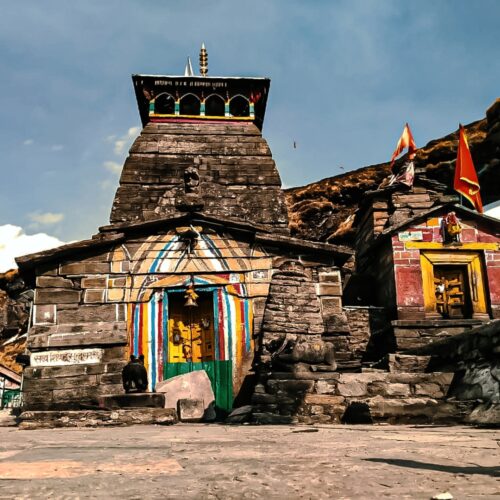
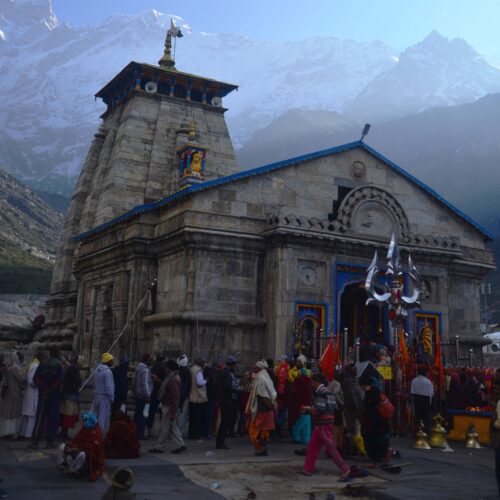
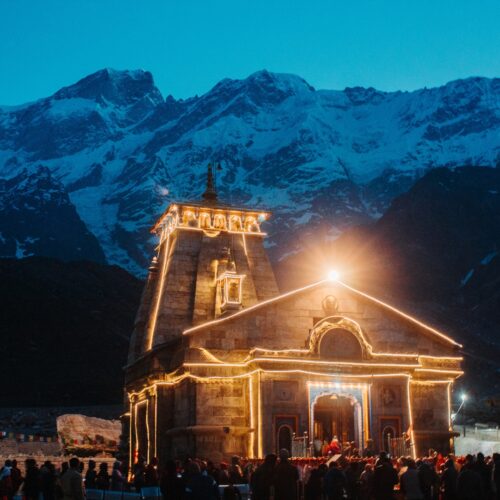
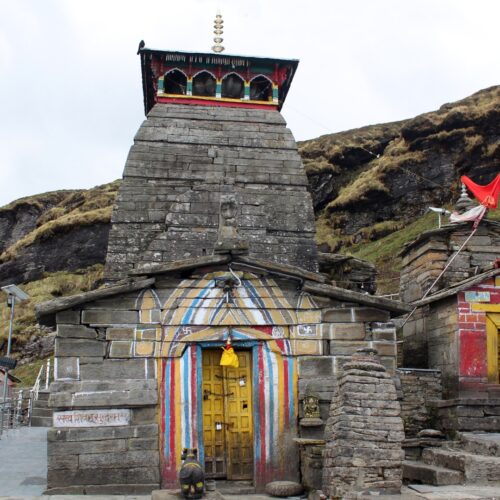
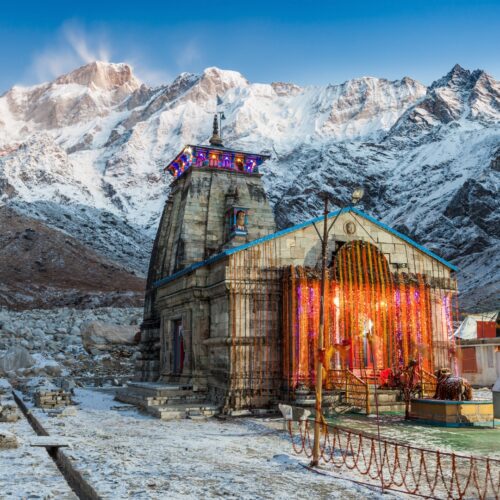
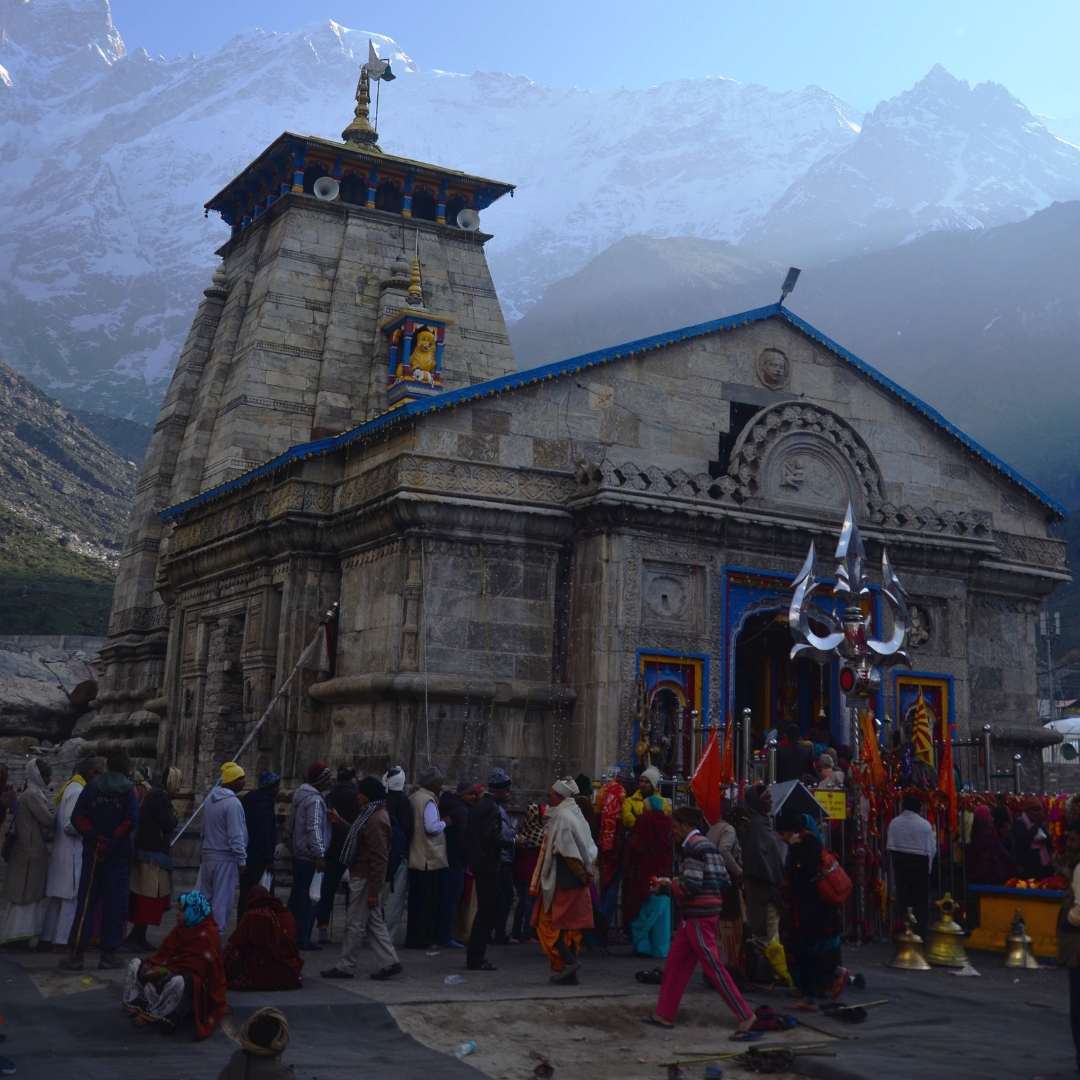
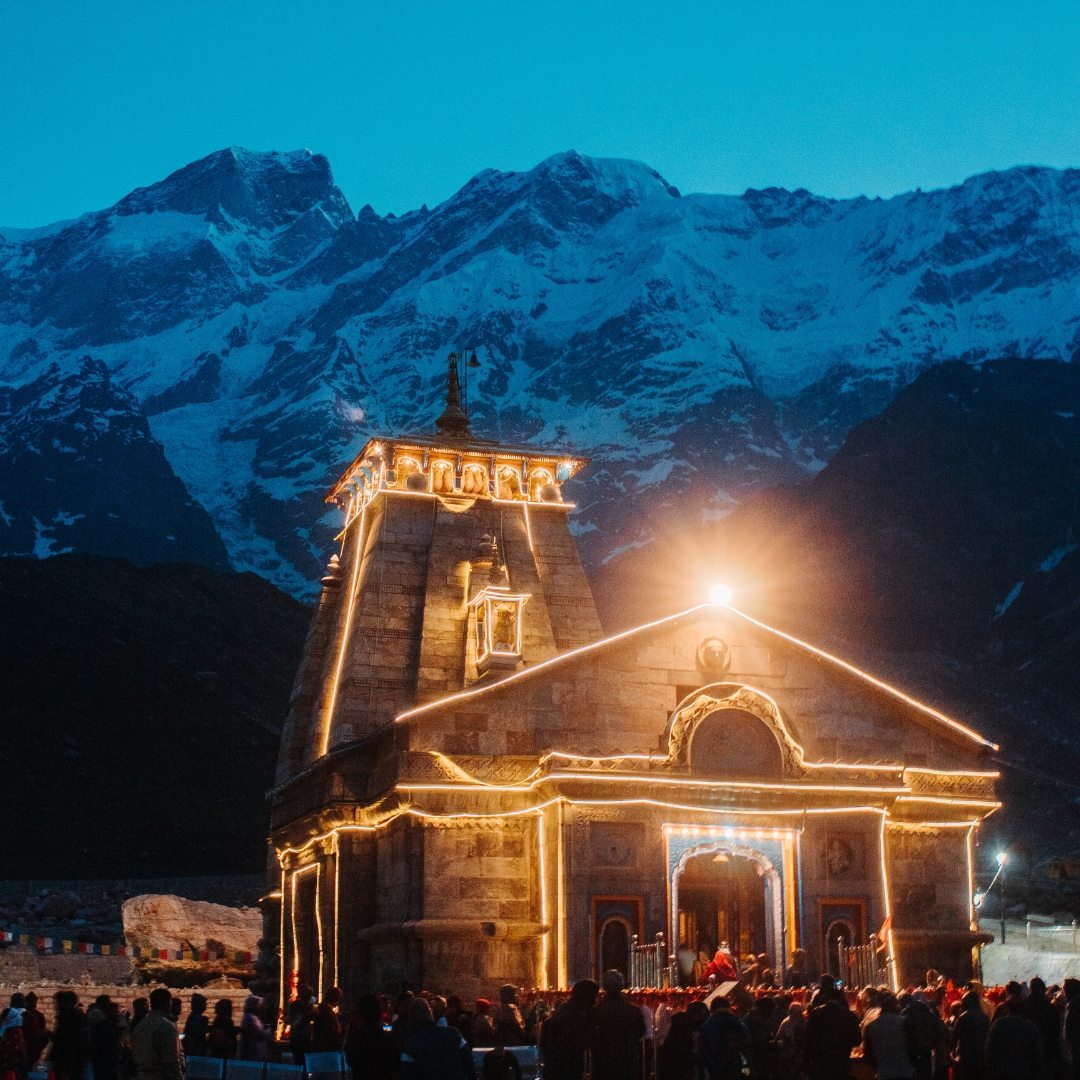
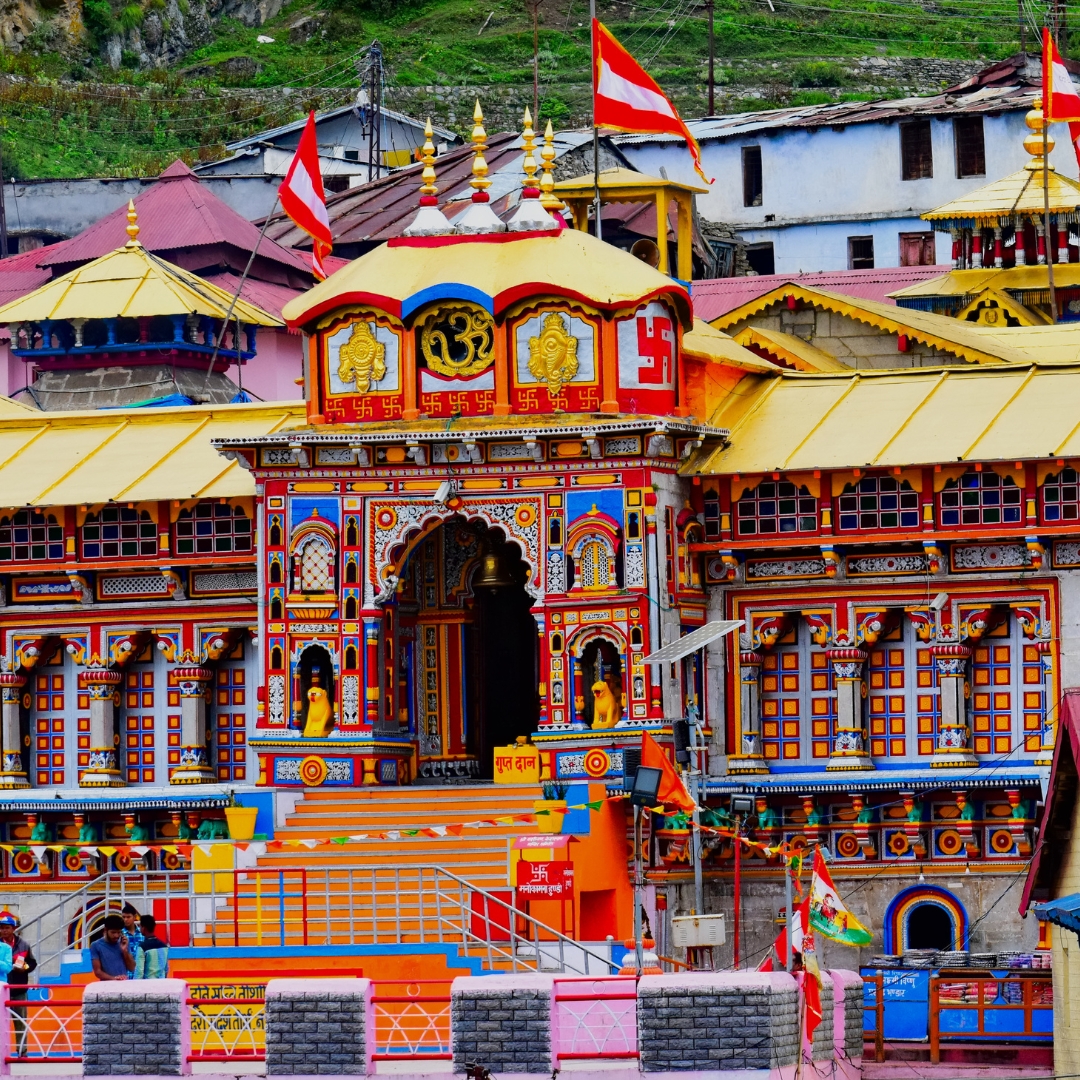
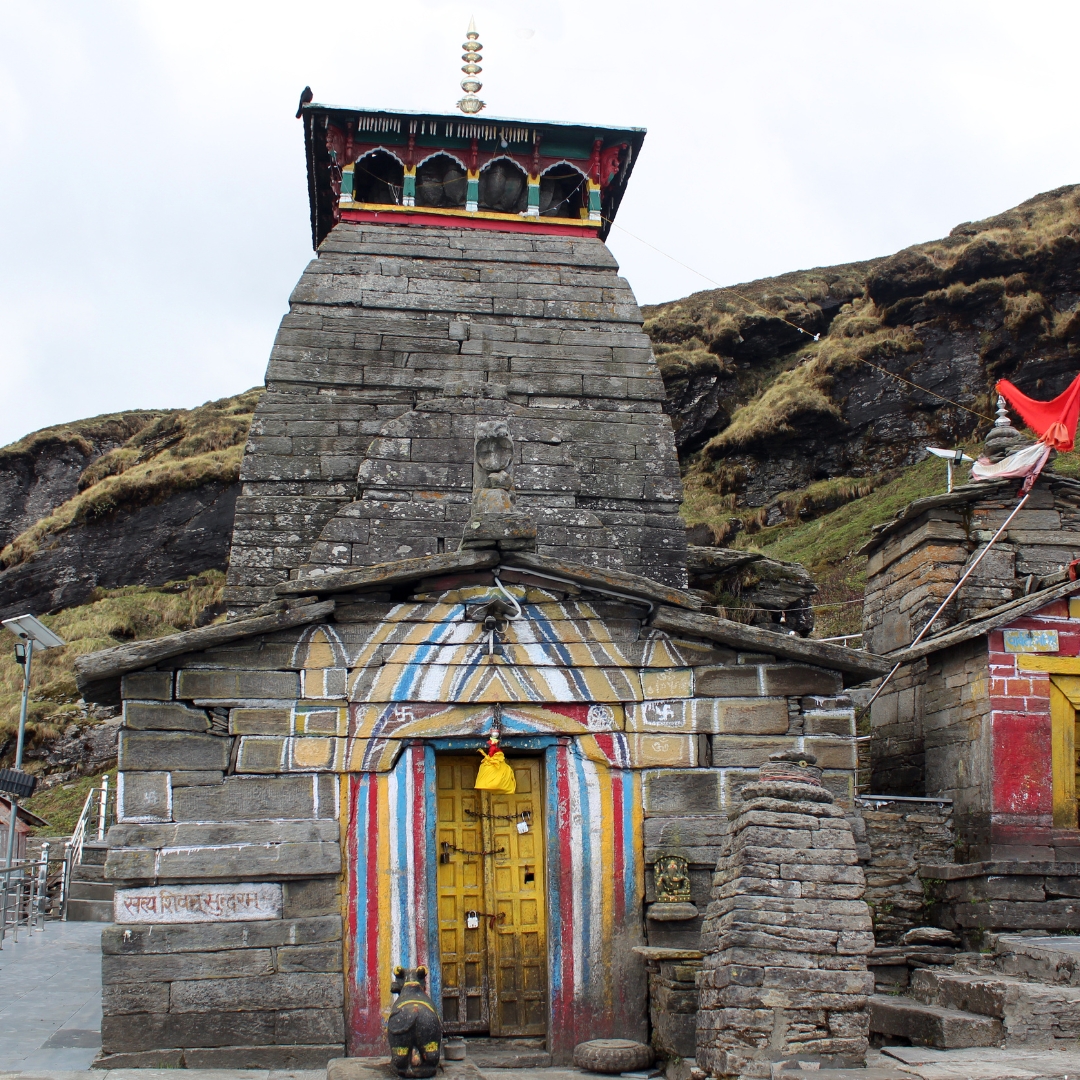
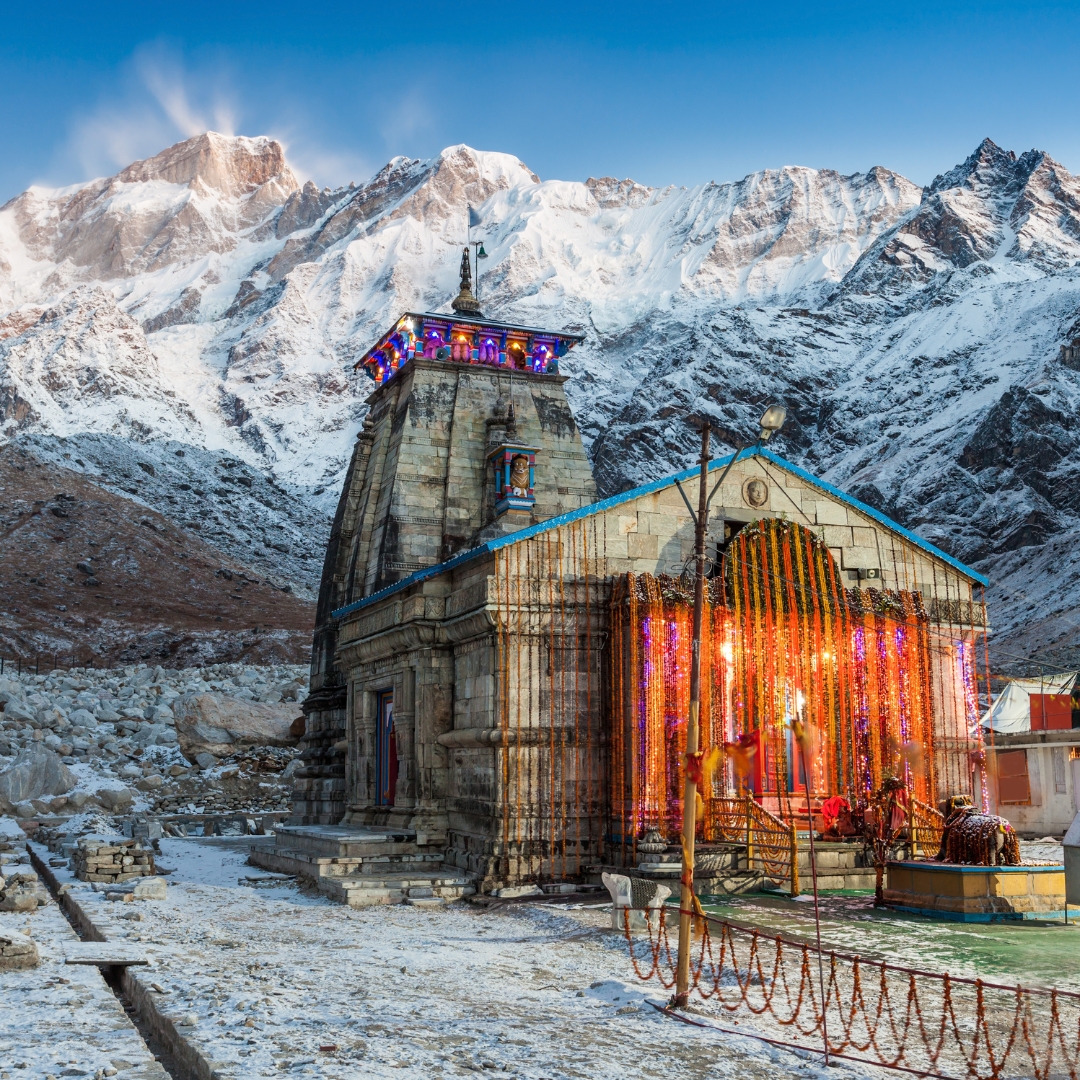
The weather starts changing noticeably once you reach Kedarnath and later Badrinath. These two destinations are located at much higher altitudes, where mornings and nights remain considerably colder than the lower valleys. Even during May and June, many visitors from Maharashtra, Gujarat and southern India find the temperature much cooler than they expected.
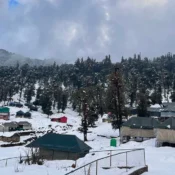
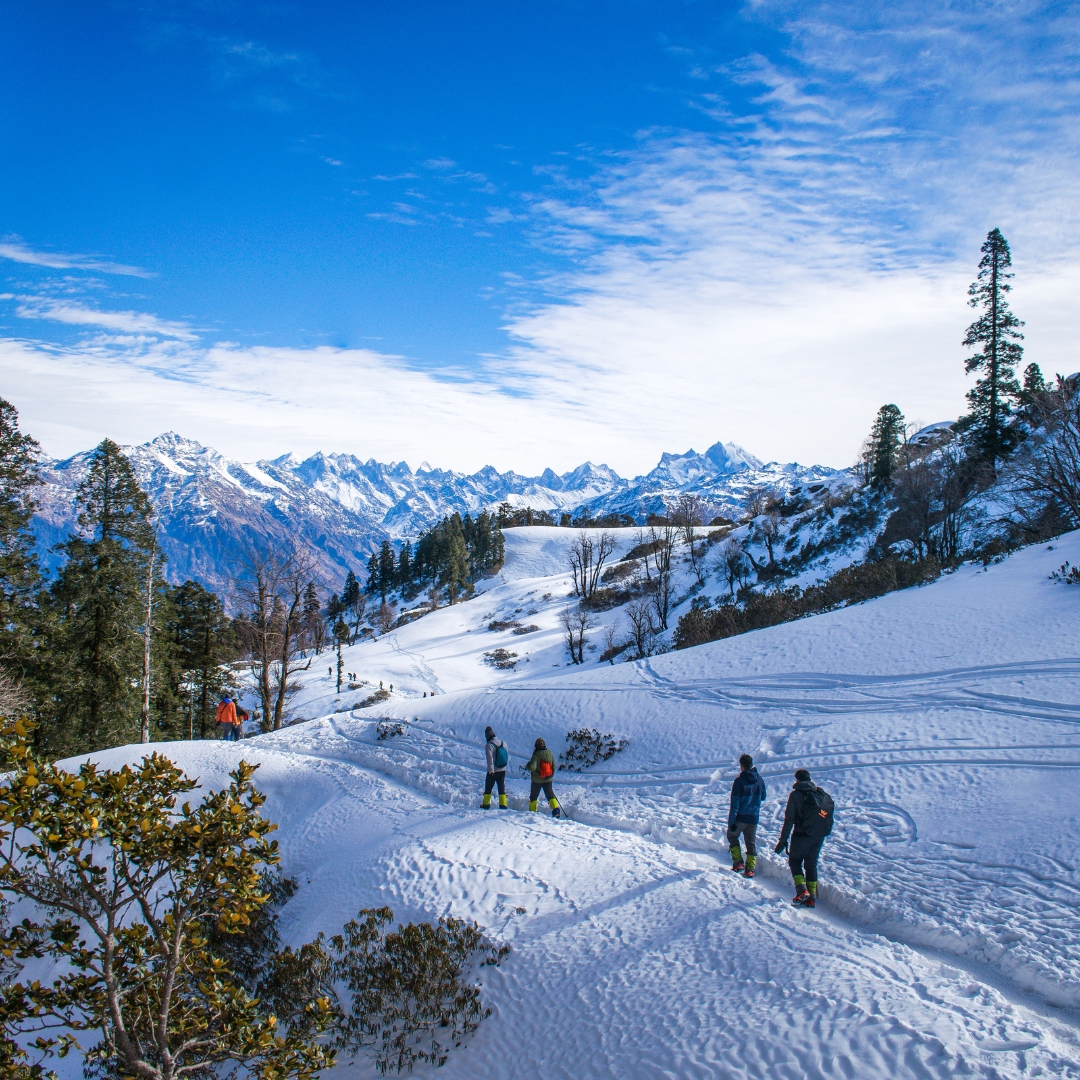
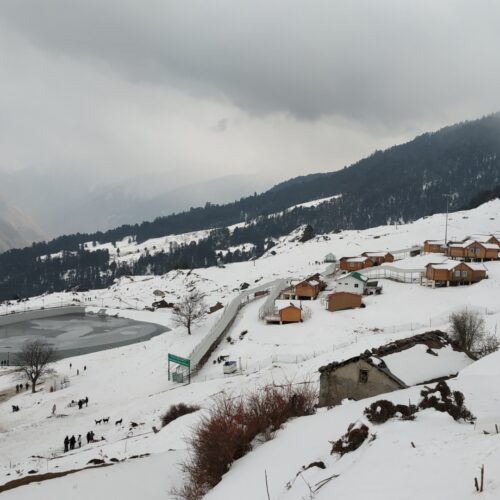
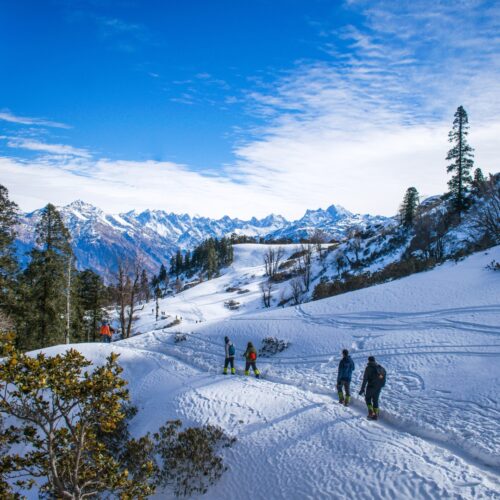
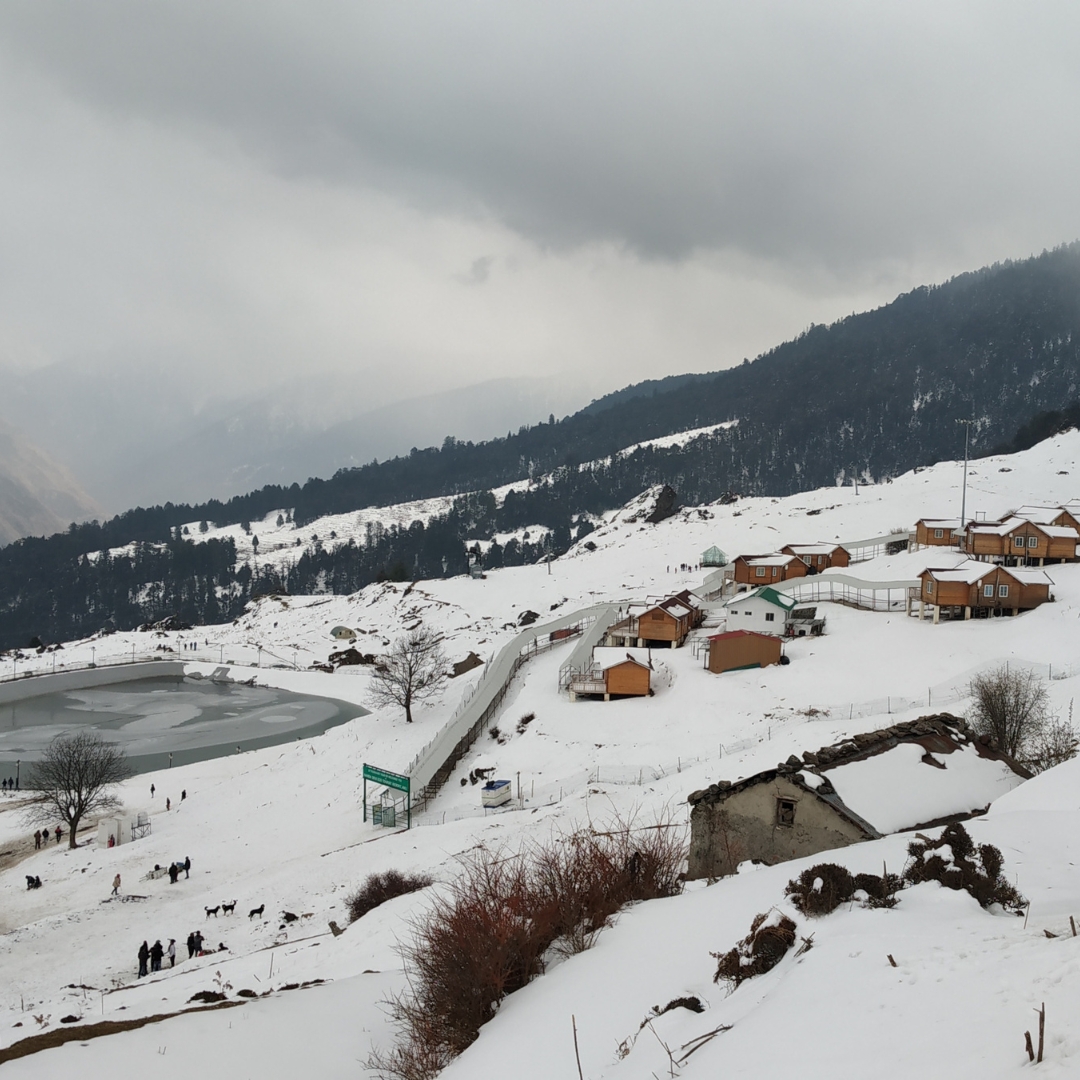
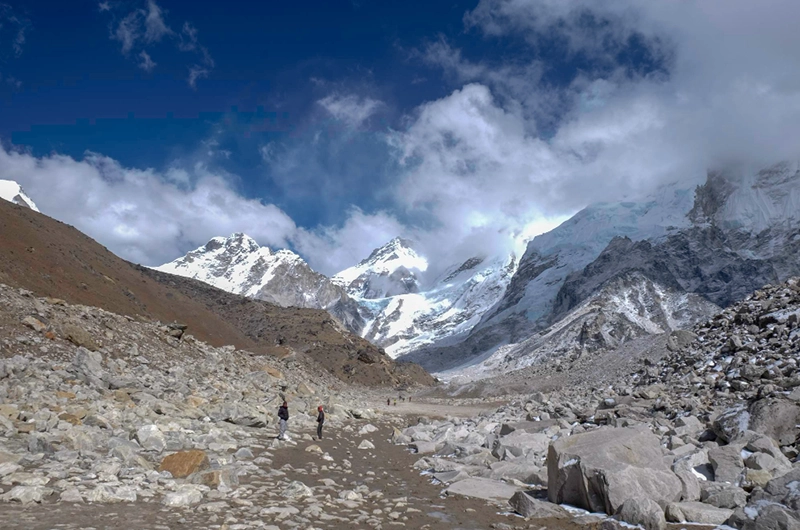
If you’re travelling during the opening weeks of the yatra in late April or early May, or after the middle of October until the temple closes for winter, be prepared for very cold weather. Snowfall or fresh snow around Kedarnath and Badrinath is not uncommon during these periods, and proper winter clothing becomes essential rather than optional.
What Clothes Should You Carry for Char Dham Yatra?
Instead of packing one heavy jacket and hoping it will be enough, it’s better to carry clothing that you can wear in layers. Weather in the Himalayas can change within a few hours, and layering allows you to stay comfortable throughout the journey. For pilgrims travelling during April, early May or after mid-October, we strongly recommend carrying a thermal inner layer, a warm sweater or fleece, a windproof jacket, woollen cap, gloves, muffler and warm socks. These items become especially important during your stay at Kedarnath and Badrinath.
If you’re visiting between May and September, don’t assume that winter clothing isn’t required. While daytime temperatures are generally pleasant, evenings and early mornings at higher altitudes can still feel cold, particularly for travellers visiting from warmer parts of India. A light woollen layer, windcheater and comfortable full-sleeve clothing are usually enough for most pilgrims during this period.
Another thing many travellers underestimate is mountain rainfall. Sudden showers are common throughout the Char Dham route, even on sunny days. A lightweight raincoat or poncho takes very little space in your backpack but can save your journey from becoming uncomfortable. If possible, choose water-resistant trekking shoes and a waterproof jacket so you can continue walking safely even if the weather changes unexpectedly.
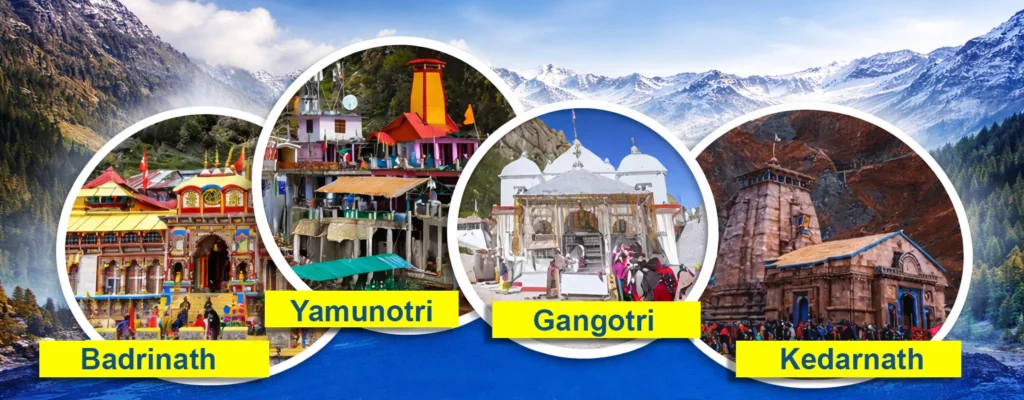
Complete Char Dham Yatra Packing Checklist
Every traveller packs differently, but there are a few essentials that almost everyone ends up needing during the journey. Instead of carrying extra luggage, focus on packing smart.
The following checklist is based on the items our guests find most useful during the Char Dham Yatra.
Clothing
Thermal inner wear (recommended for April, early May and October–November)-
Warm sweater or fleece jacket
Windproof or insulated jacket
Comfortable full-sleeve T-shirts
Trek pants or comfortable trousers
Woollen cap
Muffler or neck warmer
Gloves
Warm socks (2–3 pairs)
Comfortable nightwear
Footwear
Good-quality trekking shoes with proper grip
Waterproof shoes, if available
Lightweight slippers or sandals for hotel use
Extra pair of socks for the Kedarnath trek
Rain Protection
Weather in the Himalayas can change without much notice. Even on a sunny morning, rain can arrive within a few hours.
Carry:-
Raincoat or poncho
Waterproof backpack cover
Zip-lock bags to protect your mobile phone, wallet and important documents
Personal Essentials
Sunglasses
Sunscreen (SPF 50 or above)
Lip balm
Moisturiser
Toothbrush and toothpaste
Hand sanitiser
Wet wipes
Towel
Water bottle
Dry fruits or energy bars for trekking
Electronics
Mobile phone
Power bank
Charging cables
Torch or headlamp
Camera (optional)
Important Documents
Keep both digital and printed copies of:-
Government photo ID
Char Dham registration
Hotel booking details
Emergency contact numbers
Medicines and Health Essentials
The Char Dham route passes through high-altitude Himalayan regions, and every traveller’s body reacts differently. If you have asthma, heart disease, diabetes, high blood pressure or any other long-term medical condition, consult your doctor before beginning the journey.
We also recommend carrying your regular medicines in sufficient quantity. While pharmacies are available at many places along the route, your prescribed medicine may not always be easily available.
A basic medical kit should include:- Regular prescription medicines- Pain relief spray or gel- Knee support (if required)- Band-aids- Antiseptic cream- ORS sachets- Basic medicines for fever, headache and stomach upset (as advised by your doctor)If you have previously experienced breathing difficulties or your doctor recommends it, carrying a portable oxygen canister can provide additional reassurance. Oxygen support is available at several locations on the route, but it is always better to travel prepared rather than depend on availability.
Carry Enough CashAlthough UPI and card payments are accepted at many locations, cash is still important during the Char Dham Yatra.For example, if you choose services such as pony, palki or kandi during the Kedarnath or Yamunotri trek, cash is often the easiest payment option. Small tea stalls, local shops and roadside vendors may also prefer cash.ATMs are available in many towns across Uttarakhand, but during the peak pilgrimage season they can run out of cash quickly due to heavy demand. Keeping a reasonable amount of cash with you can help avoid unnecessary inconvenience.
Mobile Network on the Char Dham Route
Mobile connectivity improves every year, but mountain terrain can still affect network coverage.
Based on our experience, Jio, Airtel and BSNL generally provide the best connectivity across most parts of the Char Dham route. Since network strength varies from one location to another, carrying SIM cards from two different providers can be helpful. If one network is weak in a particular area, the other may continue to work.
Downloading offline maps and saving important phone numbers before leaving for the journey is also a good idea.
Practical Tips From Our Experience
Over the years, we’ve noticed that travellers who prepare well enjoy a much smoother pilgrimage.
Here are a few simple tips that can make a real difference:-
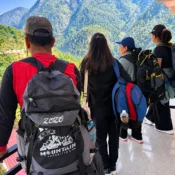
Travel with a light backpack instead of carrying unnecessary luggage.
Wear your trekking shoes before the trip so they are already comfortable.
Drink enough water throughout the journey.- Start your trekking days early in the morning whenever possible.
Avoid trying to cover long distances too quickly at higher altitudes.
Keep your phone and power bank fully charged every evening.
Store important documents separately from cash.
If you are travelling with senior citizens, plan a comfortable pace and allow extra time for breaks.
Frequently Asked Questions
Do I need heavy winter clothing for the entire Char Dham Yatra?
Not necessarily. Warm clothing becomes most important during your stay at Kedarnath and Badrinath, especially in the early and late parts of the pilgrimage season.
Are trekking shoes compulsory?
They are strongly recommended for the Kedarnath and Yamunotri treks because they provide better grip and comfort on mountain trails.
Is rain common during the Char Dham Yatra?
Yes. Sudden rain showers can occur during the season, so carrying a raincoat or poncho is a practical choice.
Can I rely completely on digital payments?
Digital payments are widely accepted, but carrying cash is advisable for local transport, small shops and services such as pony or palki.
Which mobile network works best?
Jio, Airtel and BSNL generally offer the best coverage across the route, though connectivity varies by location.
Should senior citizens carry anything extra?
Yes. They should bring all regular medicines, keep emergency contact details handy and consult their doctor before travelling if they have existing medical conditions.
Final Thoughts
Good preparation doesn’t mean carrying the heaviest bag—it means carrying the right essentials for the journey ahead. A little planning before you leave home can make your Char Dham Yatra more comfortable, safer and less stressful, allowing you to focus on the spiritual experience rather than avoidable travel issues.
If you’re looking for a well-planned itinerary with accommodation, transport and local guidance, explore our Chardham Yatra package tours to choose the option that best suits your travel plans.

Shubhank is a lifelong explorer and storyteller, born and raised in the scenic hills of Garhwal, Uttarakhand. With a deep connection to the mountains, valleys, and sacred trails of his homeland, he helps travelers discover the heart of Uttarakhand beyond the usual tourist spots.
Friends and travelers from across India often ask him: “Where should we go in Uttarakhand?” Shubhank’s answer comes from experience — the valleys he grew up in, the treks he has hiked since childhood, and the sacred routes his elders still walk. Through his writing, he shares personal insights, local stories, and practical tips that make every journey meaningful, memorable, and authentic.
Specializes in: Uttarakhand Treks • Cultural & Spiritual Journeys • Offbeat Hill Stations • Local Experiences
Writing Style: Personal, immersive, and experience-driven
Travel Philosophy: “Explore the hills as if they are your home, and every journey will tell a story.”